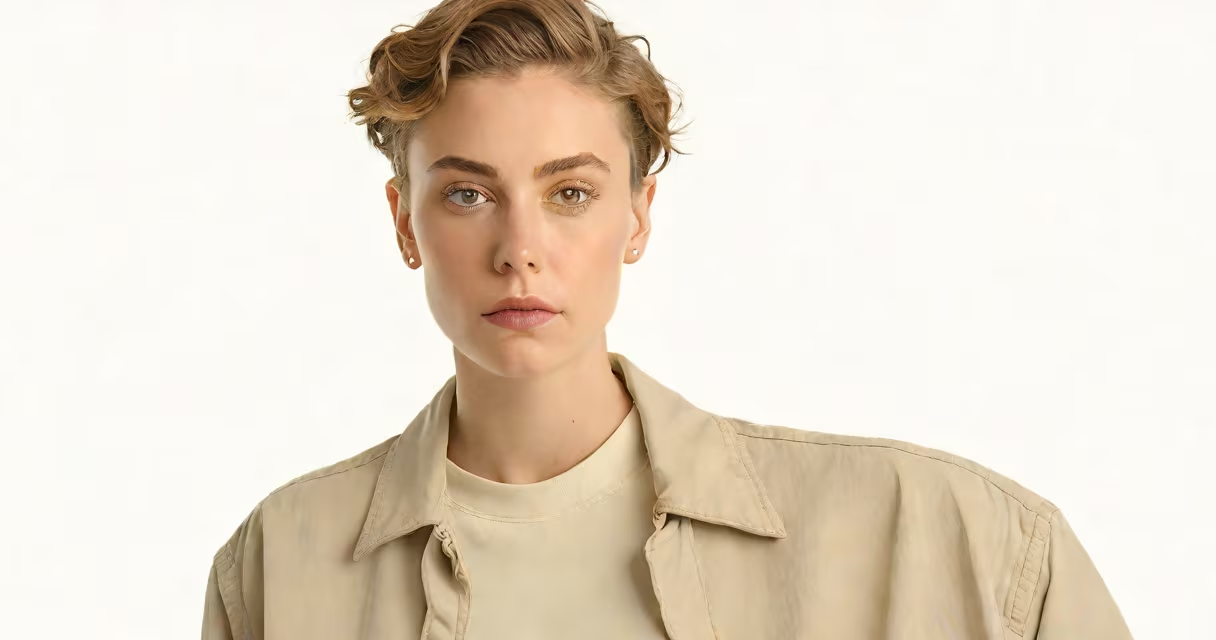
A non binary lesbian is a person who identifies outside the male-female gender binary and experiences romantic or sexual attraction primarily to women. This identity integrates both gender identity and sexual orientation into a single lived experience, challenging assumptions that gender and attraction must align in conventional ways.
Gender identity and sexual orientation are distinct but often intersect. A non binary lesbian's gender is not confined to man or woman-this may include identities such as agender, bigender, or genderqueer. Their sexual orientation is specifically lesbian, meaning their attraction is directed toward women, regardless of how they personally identify for gender.
According to the American Psychological Association (APA), gender identity refers to a person's internal sense of being male, female, both, neither, or somewhere along the gender spectrum. Sexual orientation, meanwhile, describes patterns of romantic or sexual attraction. These two dimensions operate independently, allowing for identities like non binary lesbian to exist coherently and authentically.
Non binary lesbian identity emerges from the intersection of two separate aspects of self: how one experiences gender and whom one is drawn to emotionally or physically. A person may feel no connection to the categories of man or woman, yet still be deeply attracted to women.
For example, someone who uses they/them pronouns and identifies as non binary may describe themselves as feeling "most at home" in relationships with women. Their attraction is not based on gender performance or presentation, but on emotional resonance, shared values, or mutual understanding. This is a core aspect of being lesbian-not about gender, but about who inspires love and intimacy.
The distinction between gender identity and sexual orientation is critical. A non binary person can be attracted to men, women, both, or neither. Being lesbian specifically denotes attraction to women, regardless of one's own gender identity. This clarity prevents mislabeling and supports accurate representation in communities and media.
One frequent misunderstanding is that being non binary and lesbian requires a specific presentation or behavior. Some assume a non binary lesbian must dress in a certain way, act in a particular manner, or conform to stereotypes about either group. This is incorrect.
Another misconception is that non binary people cannot be truly lesbian because they don't fit the traditional "woman" category. But the term lesbian refers to attraction, not gender. As the Human Rights Campaign states, "Lesbian means a woman who is attracted to other women." This definition includes trans women and non binary people who are attracted to women, affirming that identity is not limited by gender expression or classification.
A non binary lesbian may also identify as queer, which encompasses diverse sexual and gender identities beyond heterosexual and cisgender norms. Queer is an umbrella term that allows space for fluidity and complexity. Many non binary lesbians embrace this label as a way to express their full identity.
Consider Jamie, a 28-year-old non binary person who uses they/them pronouns. They identify as agender-meaning they do not experience a stable gender identity. Despite this, Jamie describes being romantically and sexually attracted to women since early adolescence. They have had long-term relationships with women, and their emotional connection to partners is rooted in shared values and intimacy, not gender roles.
Jamie says, "I've never felt like a woman, but I've always known I was drawn to women. That's what makes me a lesbian. My gender doesn't change my attraction-it's part of how I understand myself." This reflects a common experience among non binary lesbians: attraction persists independently of gender identity.
Another example is Maya, a non binary artist who uses she/they pronouns. She identifies as genderfluid and has periods when she feels more aligned with feminine energy. Her romantic relationships have consistently involved women. She says, "My attraction is to women, not to femininity. I'm not looking for a stereotype-I'm looking for connection."
While "non binary lesbian" is a valid and recognized identity, individuals may combine it with other labels. The following table outlines common intersections:
| Identity Type | Description | Example |
|---|---|---|
| Non binary lesbian | Identifies outside male/female binary and is attracted to women | Uses they/them; attracted to women |
| Trans woman lesbian | Assigned male at birth, identifies as woman, attracted to women | Uses she/her; attracted to women |
| Genderfluid lesbian | Gender identity shifts over time; attraction remains to women | Uses different pronouns daily; attracted to women |
These identities are not mutually exclusive. A person can be non binary and also genderfluid, or identify as both queer and lesbian. The key is that attraction to women defines the lesbian component, while gender identity shapes personal experience.
Recognition of non binary lesbian identity combats erasure. When media, healthcare providers, or social spaces assume that lesbian means "woman who likes women," they exclude non binary people. This exclusion can lead to isolation, mental health challenges, and reduced access to supportive communities.
Research from the National Center for Transgender Equality shows that 30% of transgender and non binary people report experiencing discrimination in healthcare settings. When providers fail to recognize non binary lesbian identities, patients may avoid care altogether. Accurate terminology fosters trust and safety.
Visibility matters. When stories feature non binary lesbians-like the character in the TV show *Heartstopper* who identifies as non binary and is in a relationship with a woman-audiences see themselves reflected. Representation validates lived experience and reduces stigma.
Understanding what is a non binary lesbian helps dismantle outdated binaries. It affirms that identity is not a checklist, but a changing, personal truth. Whether someone uses they/them pronouns, identifies as agender, or lives in the space between genders, their attraction to women is valid and meaningful.
Being a non binary lesbian is not a contradiction. It is a coherent, authentic expression of self. It exists. It is real. And it belongs.