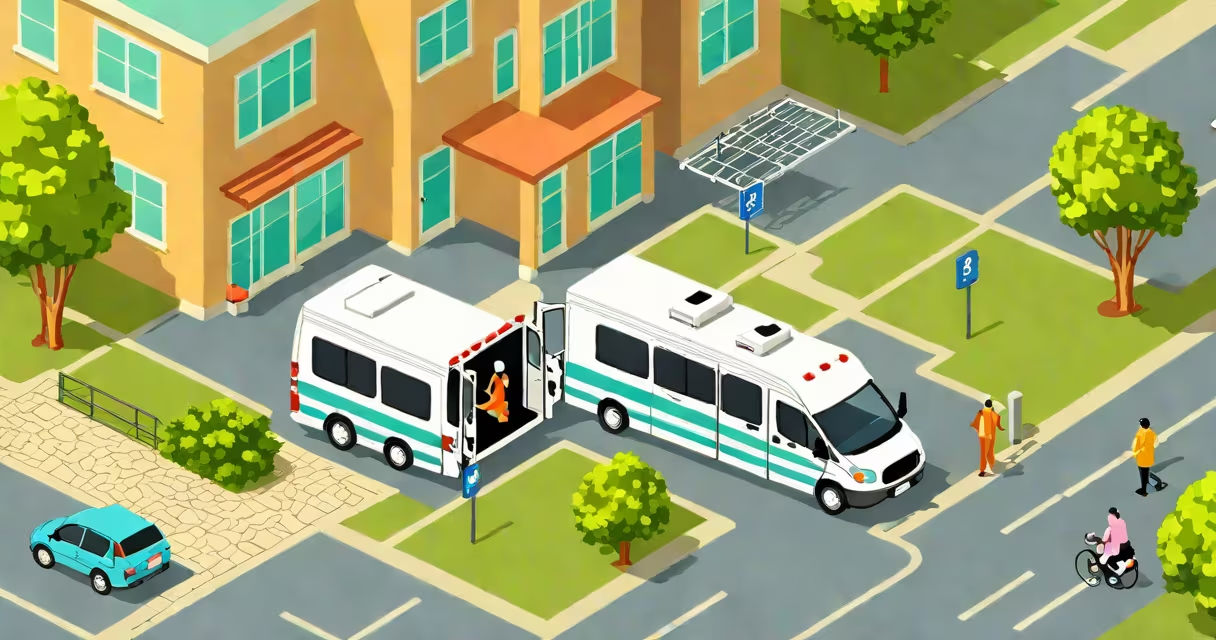
A paratransit driver operates specialized vehicles to provide door-to-door transportation for individuals with disabilities who cannot use fixed-route public transit. These drivers work under federal and state regulations, primarily governed by the Americans with Disabilities Act (ADA), ensuring safe, reliable, and accessible service.
Paratransit services are designed for people whose disabilities prevent them from using standard bus or rail systems. Drivers are trained to assist passengers with mobility devices, manage secure vehicle restraints, and handle medical or behavioral needs during trips. They follow strict scheduling protocols and maintain detailed logs of each trip.
The role requires more than driving skills. A paratransit driver must understand accessibility standards, communicate with riders, and respond calmly to unexpected situations. This includes managing late pickups, route changes due to traffic, or passenger distress. Their work ensures independence for thousands of people who rely on transit for employment, healthcare, and social engagement.
Paratransit services operate on demand rather than fixed schedules. Riders must book trips in advance through a transit agency's call center or online portal. Once booked, the system assigns a vehicle and driver based on proximity and availability. The driver then picks up the passenger at their home or designated location and transports them to the destination.
Each trip is tracked via GPS and recorded in a centralized dispatch system. Drivers receive route details, pickup times, and passenger information-including any special needs-before departure. For example, a rider may require a wheelchair securement system, assistance with boarding, or medication reminders during a long trip.
After completing the trip, the driver signs off electronically and submits a report. This includes any incidents, delays, or feedback from the rider. Data from these reports help agencies improve service quality and ensure compliance with ADA requirements.
To become a paratransit driver, applicants must meet several criteria. Most agencies require a valid commercial driver's license (CDL) with a passenger endorsement and a clean driving record. Some states mandate additional certifications, such as a Transportation Security Administration (TSA) background check or a state-specific disability awareness course.
Training programs typically last four to six weeks and cover both technical and interpersonal skills. Topics include proper use of wheelchair lifts and tie-downs, handling emergency situations, de-escalation techniques for anxious or confused passengers, and understanding privacy laws like HIPAA when dealing with medical information.
One agency in Chicago reported a 30% reduction in passenger complaints after implementing mandatory empathy training for drivers. The program included role-playing scenarios involving passengers with autism, PTSD, or cognitive impairments. Drivers learned to recognize subtle cues and adjust communication styles accordingly.
Paratransit fleets use modified vans or minibuses equipped with accessibility features. Common models include Ford Transit Connects, Mercedes-Benz Sprinters, and Ford E-Series vans. All vehicles must comply with the Federal Motor Vehicle Safety Standards (FMVSS) and the ADA Standards for Transportation Vehicles.
| Vehicle Type | Capacity | Accessibility Features | Use Case |
|---|---|---|---|
| Wheelchair Van | 1-2 wheelchairs + 2-3 ambulatory riders | Manual or electric lift, tie-downs, handrails, lowered floor | Long-distance or medical appointments |
| Minibus | 6-12 passengers | Automatic ramp, securement systems, audio/visual announcements | Group trips, community events |
| Standard Van (Modified) | 1 wheelchair + 3 ambulatory riders | Manual lift, seat belts, adjustable seating | Short trips, routine errands |
Every vehicle must undergo monthly inspections. A checklist includes brake function, lift operation, battery charge, and cleanliness. One driver in Seattle documented a failure in the lift mechanism during a morning run. The issue was reported immediately, and the vehicle was taken out of service until repaired-preventing a potential injury.
Many assume paratransit drivers simply transport people from point A to B. This underestimates the complexity of the job. Unlike regular bus drivers, paratransit drivers often interact with passengers for extended periods-up to two hours per trip-and must adapt to diverse needs.
Another misconception is that all paratransit rides are free. While many services offer reduced fares or subsidies, most riders pay a portion of the cost. In New York City, for example, a single ride averages $5.50, with discounts available for low-income users. The fare structure aims to balance accessibility with operational sustainability.
Some confuse paratransit with ride-sharing apps like Uber or Lyft. These platforms do not meet ADA requirements. Paratransit services are legally obligated to serve all eligible riders within a ¾-mile radius of fixed routes. Ride-shares are private companies and not bound by the same legal obligations.
Consider Maria, a paratransit driver in Portland, Oregon. She starts her shift at 7:00 AM with a pre-trip inspection: checking tire pressure, testing the wheelchair lift, and verifying the GPS tracker. Her first pickup is at 7:15 AM-a woman named Linda who uses a manual wheelchair and attends physical therapy twice weekly.
Maria arrives early, opens the rear door, deploys the ramp, and assists Linda into the secured wheelchair seat. During the 45-minute trip, she monitors Linda's comfort level and offers water. At the clinic, she helps Linda transfer to a gurney and waits while staff confirm the appointment.
After returning Linda to her home at 9:00 AM, Maria completes her electronic log. She notes the successful pickup, no delays, and a positive rider comment: "Maria is kind and patient." That feedback contributes to her quarterly performance review.
By noon, Maria has completed five trips. She ends her shift with a debrief session, reporting a minor fuel leak detected during the final inspection. The maintenance team addresses it before the next day's operations.
Paratransit drivers are essential to equitable access to transportation. Without them, many individuals with disabilities would face isolation, missed medical appointments, or unemployment. According to the U.S. Department of Transportation, over 4 million people nationwide rely on paratransit services annually.
These drivers uphold dignity, safety, and independence. Their work supports broader goals of inclusion in education, employment, and civic life. As one veteran driver in Denver put it: "I don't just drive a van-I help people live fuller lives."