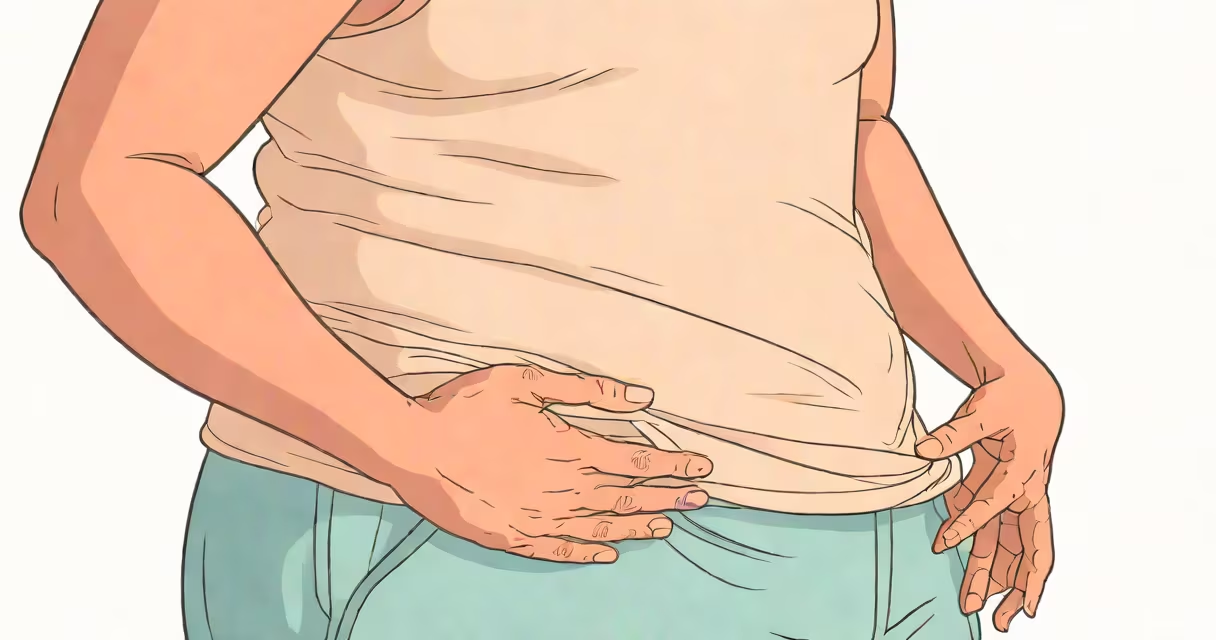
Pain in the left side of the stomach refers to discomfort or ache localized between the left ribcage and the left hip, often signaling digestive, muscular, or organ-specific issues. It may feel dull, sharp, crampy, or pressure-like, depending on the underlying cause.
This pain arises from structures in the left half of the abdomen: the descending colon, spleen, part of the pancreas, left kidney, and portions of the small intestine. Unlike generalized belly pain, left-sided abdominal pain often points to specific systems-most commonly the gastrointestinal tract-but can also indicate issues with the urinary or reproductive systems.
According to the American College of Gastroenterology, left-sided abdominal pain accounts for approximately 15% of outpatient GI visits. While many cases resolve without intervention, persistent or worsening pain requires evaluation to rule out serious conditions such as diverticulitis, Crohn's disease, or splenic injury.
The left side of the abdomen houses several organs involved in digestion and waste processing. The descending colon, which runs along the left side, stores stool before elimination. When stool builds up or becomes hard, it can cause cramping or pressure felt as pain in the lower left quadrant.
Gas accumulation in the colon is a frequent trigger. As gas moves through the intestines, it can press against sensitive nerves, causing sharp, intermittent pain. A 2021 study in *Gut* found that 38% of patients reporting left-sided abdominal pain had elevated gas levels detected via breath tests.
Other triggers include constipation, food intolerances (like lactose or fructose), and irritable bowel syndrome (IBS). IBS affects roughly 10-15% of adults globally, with left-sided pain being a common symptom. The Rome IV criteria define IBS based on recurrent abdominal pain lasting at least one day per week over three months, associated with changes in bowel habits.
Not all left-side stomach pain is the same. The nature of the pain-sharp, dull, cramping, constant-can hint at the root issue. Below are the most common categories:
| Type of Pain | Common Causes | Typical Duration |
|---|---|---|
| Sharp, localized under left rib | Spleen injury, costochondritis, pancreatitis | Acute (minutes to hours) |
| Dull, aching in lower left | Diverticulitis, constipation, IBS | Chronic (days to weeks) |
| Cramping, cyclic | Gas, menstrual cycle (in women), food intolerance | Intermittent (minutes to hours) |
For example, a 42-year-old woman reported sudden sharp pain under her left rib after lifting heavy groceries. She experienced nausea and referred pain to her shoulder-a sign of splenic trauma. Imaging confirmed a small laceration. This case illustrates that even minor injuries can cause significant pain in the upper left abdomen.
Another example: a 30-year-old man with a history of IBS described recurring cramps in the lower left abdomen, relieved by defecation. His symptoms matched Rome IV diagnostic criteria. After dietary adjustments and stress management, his episodes decreased by 70% over six months.
Many assume left-sided stomach pain always means a problem with the colon or bowels. But the spleen, located beneath the left rib cage, can also be a source. Spleen pain is often deep, dull, and worsens with breathing-commonly mistaken for heartburn or acid reflux.
Contrary to popular belief, not all left-side pain is digestive. Costochondritis-an inflammation of the cartilage connecting the ribs to the sternum-can mimic gastrointestinal pain. It typically causes sharp, stabbing pain that worsens with deep breaths or arm movement. A 2020 review in *The Journal of Emergency Medicine* noted that 12% of patients presenting with abdominal pain were misdiagnosed with GI issues when costochondritis was the actual cause.
Another misconception: that gas pain always occurs in the center. Gas can migrate and collect in the left colon, producing pain that feels isolated to the lower left. This is especially true after consuming high-FODMAP foods like beans, onions, or wheat.
Red flags include fever, vomiting blood, unexplained weight loss, or pain that lasts more than 48 hours. These may signal diverticulitis, bowel obstruction, or infection requiring antibiotics or surgery.
For instance, a 55-year-old man with a history of hypertension developed severe left-sided pain, fever, and chills. CT scan revealed a perforated diverticulum. He required emergency surgery. Early recognition reduced complications.
Finally, if bloating and cramping follow meals, especially those rich in fiber or dairy, gas and left side pain may be the culprit. Tracking food intake and reducing FODMAPs can improve outcomes.
Understanding the location, quality, and context of left-side stomach pain improves accuracy in self-assessment and guides timely medical consultation.