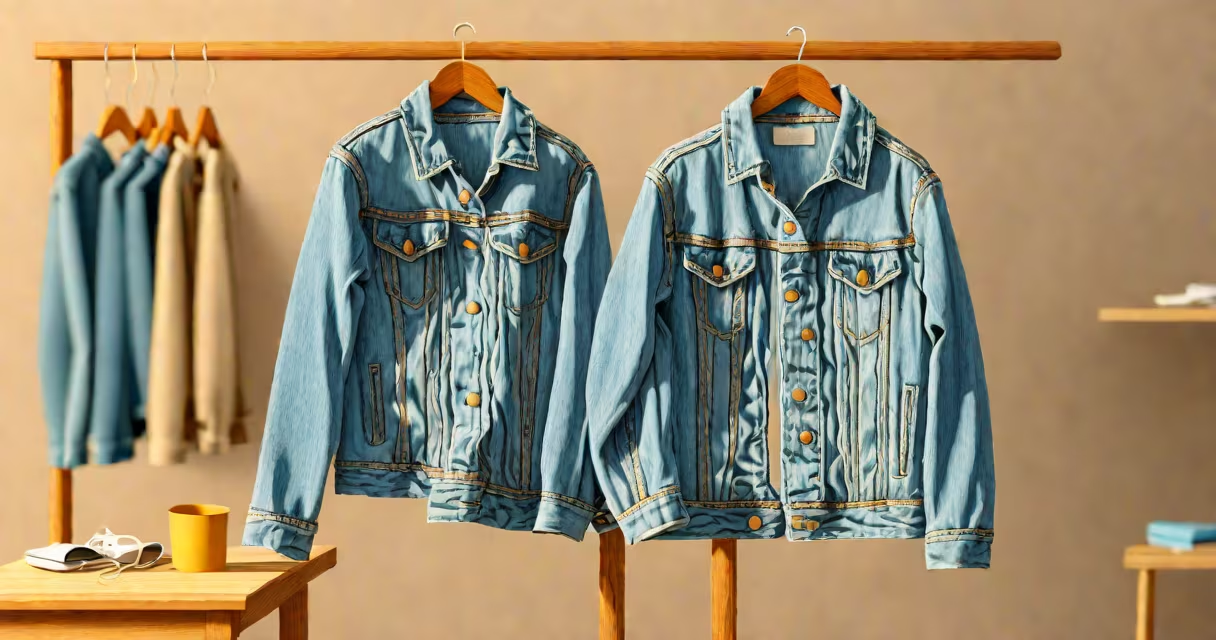
Slow fashion is a design, production, and consumption model that emphasizes durability, ethical labor practices, environmental responsibility, and timeless style over rapid turnover and low cost. It counters the disposability of fast fashion by valuing craftsmanship, material integrity, and long-term wear.
Unlike fast fashion, which produces thousands of new styles weekly to match fleeting trends, slow fashion operates on a deliberate timeline. Designers create fewer collections per year-often just one or two-and focus on materials that last, garments that fit well, and factories that pay living wages. This model treats clothing as investment pieces rather than disposable items.
The movement emerged in response to the environmental and social costs of mass-produced apparel. According to the Ellen MacArthur Foundation, the fashion industry generates 10% of global carbon emissions and 20% of wastewater-largely due to overproduction and synthetic fibers. Slow fashion aims to reverse those impacts through intentional design and mindful consumption.
Slow fashion begins with intentionality. Designers research cultural context, local materials, and seasonal demand before sketching patterns. Production happens in small batches, often in workshops or family-run ateliers, not automated factories. This allows for attention to detail-hand-stitching, natural dyeing, and fabric selection based on biodegradability and low water use.
For example, a slow fashion brand might spend six months developing a single wool coat using locally sourced Merino wool from New Zealand. The coat is hand-finished with recycled brass buttons and lined with organic cotton. It's produced in a workshop in Portugal where workers earn €15/hour-well above the national minimum wage-and work no more than 40 hours per week.
Consumers who adopt slow fashion don't buy more-they buy better. They assess each purchase for longevity, repairability, and emotional value. A 2022 report from McKinsey & Company found that 60% of consumers aged 18-35 consider sustainability when buying clothes, and 45% are willing to pay a premium for ethically made items.
Slow fashion isn't a single style-it's a philosophy with distinct approaches. These include:
| Type | Focus | Example |
|---|---|---|
| Artisan-made | Handcrafting, regional traditions | A Peruvian artisan weaving alpaca wool into scarves using pre-Incan techniques |
| Eco-conscious | Sustainable materials, low-impact dyes | Stella McCartney's use of recycled polyester and mushroom-based leather alternatives |
| Repair-forward | Design for mending, modular parts | Patagonia's Worn Wear program offering free repairs and resale of used gear |
| Local production | Regional supply chains, reduced transport emissions | Reformation's Los Angeles-based manufacturing, cutting shipping time and carbon footprint |
One non-obvious distinction: slow fashion doesn't require handmade garments. A well-designed, machine-made dress made from certified organic cotton and produced in a factory with fair labor standards still qualifies. The key is intent-not technique.
Many confuse slow fashion with "vintage" or "secondhand shopping." While both support circularity, vintage is a consumption practice; slow fashion is a systemic alternative to industrialized production. You can buy vintage clothes without supporting ethical labor or sustainable materials. But slow fashion brands actively audit their supply chains and publish transparency reports.
Fast fashion produces 92 million tons of textile waste annually, according to the UN Environment Programme. Most ends up in landfills or is incinerated. Slow fashion reduces this by promoting reuse, repair, and recycling. A 2021 study in *Environmental Science & Technology* found that garments designed for a 20-year lifespan reduce carbon emissions by 30% compared to those meant to last five years.
Human cost is equally critical. The 2013 Rana Plaza collapse in Bangladesh killed 1,134 garment workers. Many were paid less than $3 a day. Slow fashion brands avoid such facilities by auditing suppliers and paying premiums for verified fair labor conditions. For example, People Tree-a pioneer in ethical fashion-has maintained partnerships with cooperatives in India and Bangladesh since 1991, ensuring workers receive bonuses and healthcare benefits.
I've personally worn a pair of jeans from Nudie Jeans for over seven years. They're faded, patched at the knee, and still hold their shape. The brand offers free repair kits and a trade-in program for old denim. That's slow fashion in action: not just buying less, but making what you have last longer.
Some assume slow fashion is inherently expensive. While many slow fashion items cost more upfront-$150 for a handwoven linen shirt versus $15 for a fast fashion version-the long-term cost is lower. A 2023 analysis by the Sustainable Apparel Coalition showed that slow fashion garments have a 40% lower lifetime cost per wear due to durability and reduced replacement frequency.
Another myth: slow fashion is only for affluent consumers. But it's accessible through community initiatives. In Oakland, California, the "Thread & Stitch" collective teaches sewing skills to low-income residents and hosts swap events where people exchange gently used clothes. Participants save money and reduce waste-without needing to buy new.
Finally, slow fashion isn't anti-trend. It rejects the idea that trends must be consumed quickly. Instead, it encourages personal style development. A person might wear a classic trench coat for decades, updating it with accessories or alterations to stay current. Style becomes expression, not obligation.
When you think about what is slow fashion, remember: it's not about perfection. It's about progress. It's about choosing a shirt that lasts longer than a season, supporting workers fairly, and reducing waste. It's a shift from "buy more" to "care more."