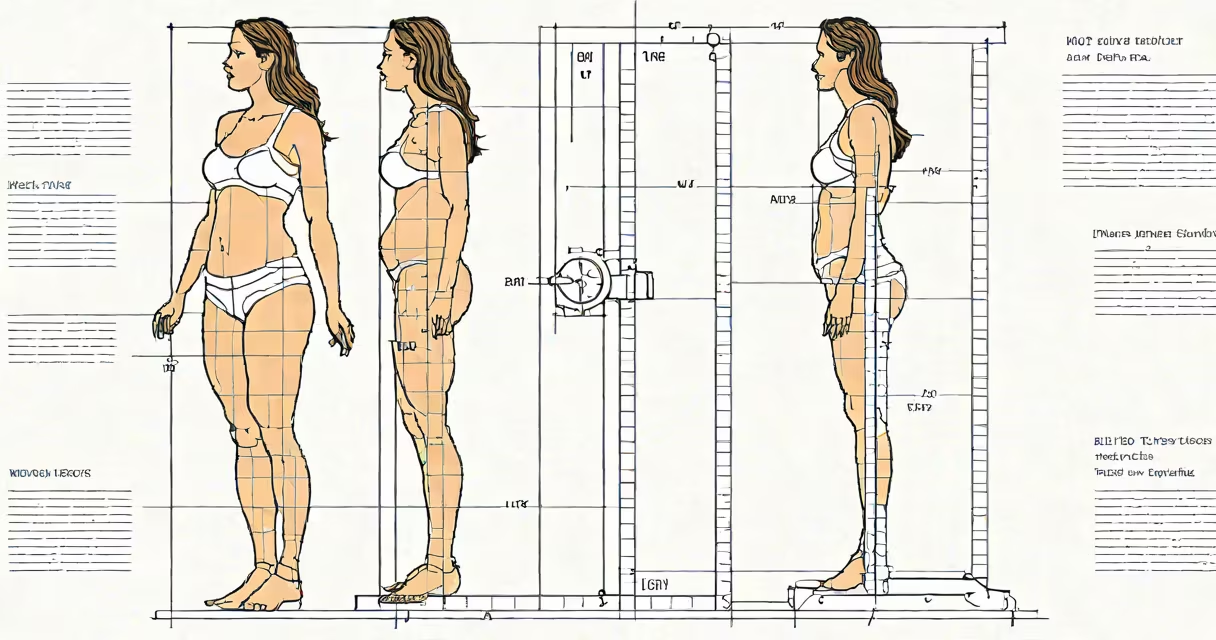
The body mass index (BMI) for a 5'5" female is considered healthy when it falls between 18.5 and 24.9. This range correlates with lower risks of chronic diseases such as type 2 diabetes and cardiovascular issues. A BMI below 18.5 indicates underweight, while values above 24.9 suggest overweight or obesity.
BMI is calculated using height and weight. For a woman who is 5 feet 5 inches tall (65 inches), a healthy weight range is approximately 110 to 145 pounds. At 110 lbs, her BMI is 18.5. At 145 lbs, it reaches 24.9. Values above 25 indicate overweight, and above 30 classify as obese.
According to the Centers for Disease Control and Prevention (CDC), BMI categories apply equally to men and women, though body composition differences mean BMI doesn't measure fat directly. A muscular individual may fall into the overweight category despite low body fat. The CDC notes that BMI remains a practical screening tool due to its simplicity and widespread validation across populations.
BMI is derived from a simple formula: weight in kilograms divided by height in meters squared. For a 5'5" woman, convert height to meters: 65 inches equals 1.65 meters. If she weighs 130 pounds, convert to kilograms: 130 ÷ 2.2046 = 59 kg. Then divide: 59 ÷ (1.65 × 1.65) = 21.8. Her BMI is 21.8, which falls within the healthy range.
Using the imperial system, the formula is: (weight in pounds ÷ height in inches²) × 703. For the same woman: (130 ÷ 65²) × 703 = (130 ÷ 4225) × 703 ≈ 21.8. Both methods yield the same result.
When calculating your own BMI, use accurate measurements. Scales and tapes should be calibrated. Weight fluctuates daily due to hydration and food intake. Measure at the same time each day, preferably in the morning after using the restroom and before eating.
Health professionals use standardized BMI categories. For a 5'5" female:
| BMI Range | Category | Weight Range (lbs) | Health Risk Level |
|---|---|---|---|
| < 18.5 | Underweight | 90-110 | Increased risk of malnutrition and osteoporosis |
| 18.5-24.9 | Healthy weight | 110-145 | Lowest risk for chronic disease |
| 25.0-29.9 | Overweight | 146-175 | Moderate risk for heart disease and insulin resistance |
| ≥30.0 | Obese | 176+ | High risk for metabolic syndrome and joint strain |
These ranges are based on large-scale studies from the National Institutes of Health (NIH). The NIH emphasizes that BMI is a population-level indicator, not a diagnostic tool. A single value cannot determine health. Body fat percentage, waist circumference, and blood markers provide deeper insight.
For example, a 5'5" woman weighing 150 pounds has a BMI of 26.3, placing her in the overweight category. However, if her waist measures 30 inches and her blood pressure is normal, her metabolic health may still be good. Conversely, a woman with a BMI of 22 but a waist of 38 inches may have high visceral fat, increasing cardiovascular risk.
Many assume BMI reflects fitness or body fat directly. This is incorrect. A professional athlete with high muscle mass may have a BMI in the overweight range yet possess low body fat. The American Council on Exercise states that muscle weighs more than fat per volume, so BMI can misclassify muscular individuals.
Another misconception is that a BMI of exactly 25 is safe. Research published in *The Lancet* shows that risk increases steadily above 21. Even moderate elevations in BMI correlate with higher mortality rates. The study analyzed over 5 million people and found that risk begins rising at BMIs above 21, not just above 25.
Some believe BMI applies uniformly across ethnic groups. That's false. Asian populations tend to develop health complications at lower BMIs. The World Health Organization recommends a BMI threshold of 23 for Asians, not 25, due to higher diabetes risk at lower weights.
If you're a 5'5" woman and your BMI is 21.8, you're in the healthy range. But don't stop there. Check your waist circumference. A measurement over 35 inches increases risk for heart disease and type 2 diabetes, regardless of BMI.
For reference, if you're 5'5" and aim for a BMI of 22, your ideal weight is around 135 pounds. If you're currently at 150 pounds, losing 15 pounds brings you into the optimal zone. Focus on sustainable habits: consistent sleep, balanced nutrition, and regular movement. The U.S. Department of Health and Human Services recommends at least 150 minutes of moderate activity weekly.
Remember, BMI is a starting point. It informs but doesn't define health. If you're concerned about your numbers, consult a healthcare provider. They can assess body composition, lifestyle factors, and medical history for a complete picture.
Understanding the BMI for a 5'5" female helps set realistic goals. A value between 18.5 and 24.9 supports long-term wellness. Use this knowledge to make informed choices about diet, exercise, and medical care.