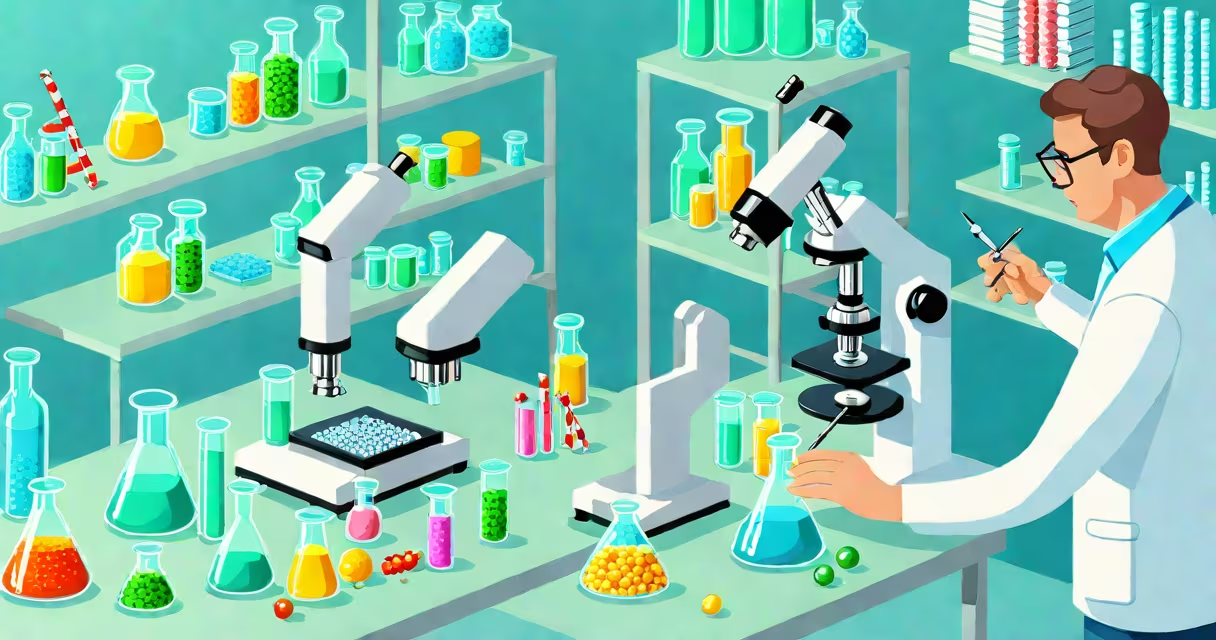
Biotech refers to technologies that use biological systems, organisms, or processes to create or modify products for practical purposes. It spans medicine, agriculture, environmental cleanup, and industrial manufacturing. The term emerged in the 1970s as molecular biology advanced, enabling direct manipulation of DNA.
At its core, biotech applies principles of biology to solve problems. This includes modifying genes to grow drought-resistant crops, engineering bacteria to produce human insulin, or designing synthetic tissues for transplantation. Unlike traditional agriculture or chemical manufacturing, biotech relies on living systems as tools.
The field integrates genetics, biochemistry, and engineering. Modern biotech often involves recombinant DNA techniques-splicing genes from one organism into another's genome. This allows yeast to produce human proteins or plants to resist pests without pesticides. The meaning of biotech is not just scientific-it reflects societal choices about life, health, and environmental impact.
Biotech begins with identifying a biological function-like enzyme production or disease resistance-and isolating the gene responsible. Scientists then insert that gene into a host organism, such as E. coli or yeast, which acts as a factory to replicate the desired protein.
For example, human insulin was once extracted from pig pancreases. Today, genetically modified E. coli bacteria produce synthetic human insulin. These bacteria are grown in large fermenters, harvested, and purified. The result is a consistent, safe supply used by millions of people with diabetes.
More complex applications involve gene editing. CRISPR-Cas9, a tool derived from bacterial immune systems, allows precise changes to DNA. Researchers use it to correct mutations in lab-grown cells, test drug responses, or engineer crops with improved yields. The process is faster and cheaper than older methods like zinc finger nucleases.
Biotech is categorized by application area. Each type uses different biological components and targets distinct challenges.
| Type | Primary Use | Example |
|---|---|---|
| Medical biotech | Treatment and prevention of diseases | Monoclonal antibodies for cancer therapy |
| Agricultural biotech | Improved crop yield and resilience | Bt corn engineered to resist insect pests |
| Industrial biotech | Green manufacturing and waste reduction | Enzymes from thermophilic bacteria used in laundry detergents |
| Environmental biotech | Bioremediation and pollution control | Bacteria designed to break down oil spills in marine environments |
Medical biotech includes therapies like CAR-T cell treatment, where a patient's immune cells are modified to attack cancer. These treatments have achieved remission rates above 80% in certain blood cancers, according to the National Cancer Institute.
Industrial biotech reduces reliance on petrochemicals. For instance, DuPont's Bio-PDO process uses engineered microbes to produce 1,3-propanediol-a building block for polyester fibers-without fossil fuels. The company reports a 60% lower carbon footprint compared to traditional methods.
Many assume biotech equals GMOs. While genetically modified organisms are a major subset, biotech includes non-GMO applications like fermentation-based drug production or probiotics used in gut health.
Another misconception is that all biotech is synthetic or artificial. In reality, many techniques mimic natural processes. CRISPR, for example, evolved in bacteria to defend against viruses. Scientists repurposed it-not invented it.
There's also confusion between biotech and bioengineering. Bioengineering focuses on designing systems-like artificial organs or wearable biosensors. Biotech emphasizes using biological materials to achieve outcomes. A prosthetic limb with embedded sensors may be bioengineered, but only if it uses living tissue or biological signals does it qualify as biotech.
In 1982, Eli Lilly launched Humalog, the first recombinant human insulin. Before this, insulin came from pigs or cows-animals whose hormones differ slightly from humans. This caused allergic reactions in some patients.
Scientists isolated the human insulin gene and inserted it into plasmids. These were introduced into E. coli bacteria. The bacteria replicated the gene and produced human insulin protein. After harvesting and purification, the product matched human sequences exactly.
Today, over 90% of insulin used globally is produced via recombinant DNA technology. The process reduced costs by 70% since the 1990s and eliminated animal-source contamination risks. This shift illustrates how the meaning of biotech extends beyond science-it improves access and safety in healthcare.
Public trust in biotech varies widely. In Europe, regulatory scrutiny is high. The EU requires mandatory labeling of GMO foods and strict approval processes. In contrast, the U.S. allows GMO crops with minimal labeling, based on the principle that they are substantially equivalent to non-modified versions.
Concerns include unintended ecological effects, such as cross-pollination between GM crops and wild relatives. In 2001, a study published in *Nature* documented gene flow from GM maize to wild teosinte in Mexico, raising fears about biodiversity loss.
Yet biotech also addresses global challenges. Golden Rice, enriched with beta-carotene (a vitamin A precursor), was developed to combat deficiency in Southeast Asia. The World Health Organization estimates it could prevent 2 million cases of childhood blindness annually.
Personal experience confirms the tension. In 2019, I visited a small farm in Iowa where farmers used Bt cotton to reduce pesticide use. One farmer said, "I don't trust big labs, but I see the numbers. My fields are healthier, and my kids aren't exposed to chemicals." His decision wasn't ideological-it was based on measurable outcomes.
Biotech drives innovation in sectors where traditional methods fail. In climate change mitigation, algae-based biofuels offer a renewable alternative to diesel. ExxonMobil and Synthetic Genomics partnered in 2016 to develop algae strains that produce hydrocarbons at scale. Pilot plants in California now generate fuel at $2.50 per gallon-competitive with fossil fuels.
Biotech also enables personalized medicine. Companies like 23andMe use genomic data to assess disease risk. While not therapeutic, this information supports early intervention. A 2021 study in *The Lancet* found that individuals with BRCA1 mutations who underwent preventive surgery reduced their breast cancer risk by 90%.
Understanding the meaning of biotech means recognizing its dual role: as a tool for progress and a subject of ethical debate. It is not inherently good or bad-it depends on how it is governed, applied, and distributed.