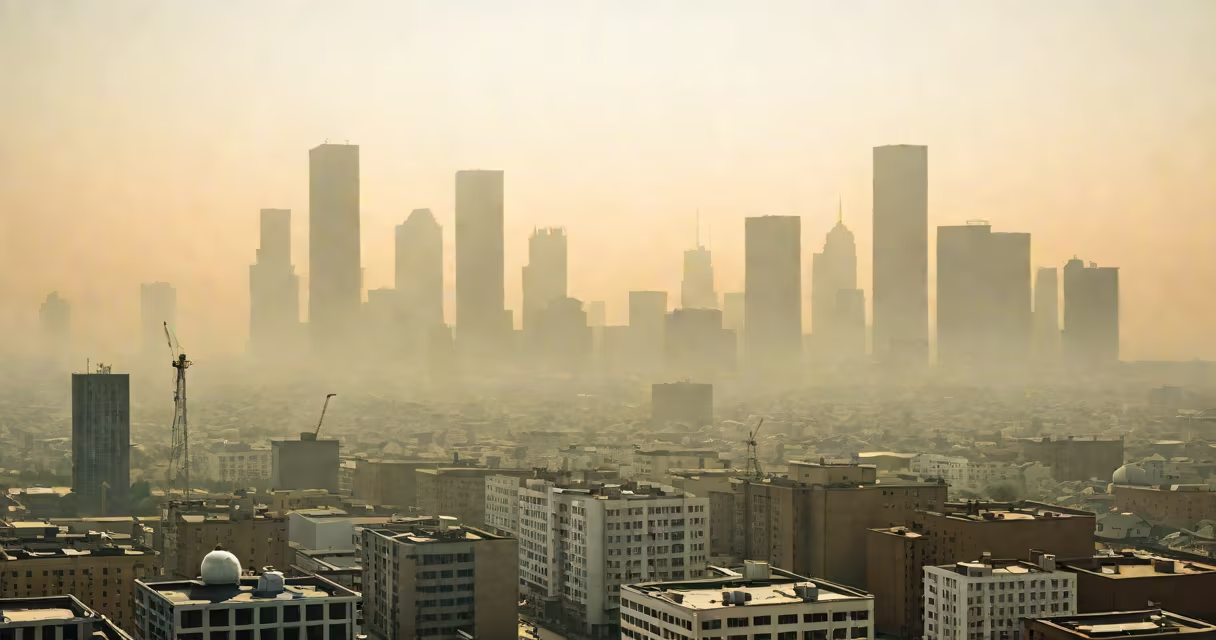
Bad air quality results from high concentrations of pollutants such as fine particulate matter (PM2.5), ground-level ozone, nitrogen dioxide, sulfur dioxide, and volatile organic compounds. These substances degrade respiratory health, reduce visibility, and damage ecosystems. The World Health Organization identifies air pollution as a leading environmental cause of death globally.
Particulate matter smaller than 2.5 micrometers in diameter-known as PM2.5-is especially harmful. It penetrates deep into lung tissue and enters the bloodstream. A 2021 study published in *The Lancet Planetary Health* linked long-term exposure to PM2.5 with increased risk of stroke, heart disease, and premature death. Outdoor sources include vehicle emissions, industrial smokestacks, and wildfires. Indoor sources-often overlooked-include cooking fumes, tobacco smoke, cleaning products, and off-gassing from furniture and building materials.
Ozone forms when nitrogen oxides (NOx) and volatile organic compounds (VOCs) react in sunlight. This secondary pollutant peaks during hot, sunny days and is common in cities with heavy traffic. In Los Angeles, ozone levels exceed EPA standards on over 100 days annually. Sulfur dioxide (SO₂) primarily comes from burning fossil fuels containing sulfur, such as coal and oil. It contributes to acid rain and respiratory distress, particularly in children and people with asthma.
Each major air pollutant has distinct sources and health impacts. Understanding their origins helps identify where interventions work best.
| Pollutant | Primary Sources | Health Impact | Regulatory Standard (US EPA) |
|---|---|---|---|
| PM2.5 | Vehicle exhaust, power plants, wildfires, construction dust | Lung inflammation, cardiovascular events, reduced lung function | 12 µg/m³ annual average |
| Ozone (O₃) | Reactions between NOx and VOCs in sunlight | Coughing, chest tightness, aggravated asthma | 70 ppb 8-hour average |
| Nitrogen Dioxide (NO₂) | Car engines, gas stoves, industrial processes | Reduced lung capacity, increased infection risk | 100 ppb annual average |
| Sulfur Dioxide (SO₂) | Coal-fired power plants, refineries, ships | Wheezing, bronchitis, eye irritation | 75 ppb 24-hour average |
Indoor air can be 2 to 5 times more polluted than outdoor air, according to the U.S. Environmental Protection Agency. A 2019 study in *Environmental Science & Technology* found that homes using gas stoves had NO₂ levels exceeding safe thresholds within hours of cooking. Even low-level exposure to formaldehyde-a VOC emitted from pressed wood products-can cause eye and throat irritation and is classified as a known human carcinogen by the International Agency for Research on Cancer (IARC).
Topography and climate influence how pollutants disperse. Valleys and basins trap cold air and pollutants, creating inversion layers. In Salt Lake City, winter inversions occur on average 30 days per year, trapping PM2.5 near the surface. During these events, air quality indexes (AQI) often reach "unhealthy" levels, prompting public health advisories.
Desert regions like Phoenix experience high ozone due to intense solar radiation and dry conditions. Heat accelerates chemical reactions that form ozone. In summer, ozone levels in Phoenix frequently surpass the EPA's 8-hour standard. Conversely, coastal areas benefit from sea breezes that disperse pollutants. However, marine fog can trap pollutants near the surface in places like San Francisco, especially during temperature inversions.
A non-obvious factor is wind direction. In Beijing, prevailing winds from the west carry industrial emissions from Hebei Province into the city center. When wind patterns shift, pollution spikes. Satellite data from NASA's Aura mission tracks these shifts, showing how regional weather systems transport pollution across borders.
Many assume that clean air is synonymous with clear visibility. But air can appear clear while still carrying dangerous levels of invisible pollutants. On a sunny day in Denver, visibility may be excellent, yet PM2.5 levels rise during wildfire season due to smoke drifting from distant fires. The American Lung Association notes that 40% of Americans live in counties with unhealthy levels of particle pollution, even when skies look blue.
Another misconception is that indoor air is safer. In reality, indoor spaces concentrate pollutants. A single cigarette produces over 7,000 chemicals, including benzene and carbon monoxide. Cooking with gas releases NO₂ at levels comparable to urban traffic. Using a high-efficiency air purifier with a HEPA filter can reduce indoor PM2.5 by up to 90%, according to a 2020 study in *Indoor Air*.
I once monitored air quality in a small apartment in Portland during a wildfire event. Outdoor AQI reached 200 (hazardous), but indoor readings stayed above 150 despite closed windows. Only after installing a portable air quality device did indoor levels drop below 50 (moderate). That experience confirmed that relying on perception alone is unreliable-data matters.
Delhi experiences severe air quality degradation each November through February. In 2023, average PM2.5 levels hit 260 µg/m³-over 10 times the WHO's recommended limit of 5 µg/m³. Causes include crop residue burning in nearby Punjab, vehicle emissions, industrial activity, and winter inversions.
During peak pollution, schools close, hospitals report spikes in respiratory admissions, and emergency services issue masks to the public. The Indian government implemented odd-even vehicle rationing and banned firecrackers during Diwali, but sustained improvement requires long-term policy changes. Monitoring data from the Central Pollution Control Board shows that air quality remains hazardous for over 100 days annually.
For those seeking long-term improvements, adopting practices that promote better air quality-such as reducing car use, avoiding wood-burning stoves, and choosing low-VOC paints-can lower individual exposure. Urban planning that prioritizes green space and public transit also reduces city-wide emissions.
Understanding what makes air quality bad involves recognizing both visible and invisible threats. It is not just about smog or haze-it's about the invisible particles and gases that affect health daily. Addressing poor air quality requires action at the individual, community, and policy level.