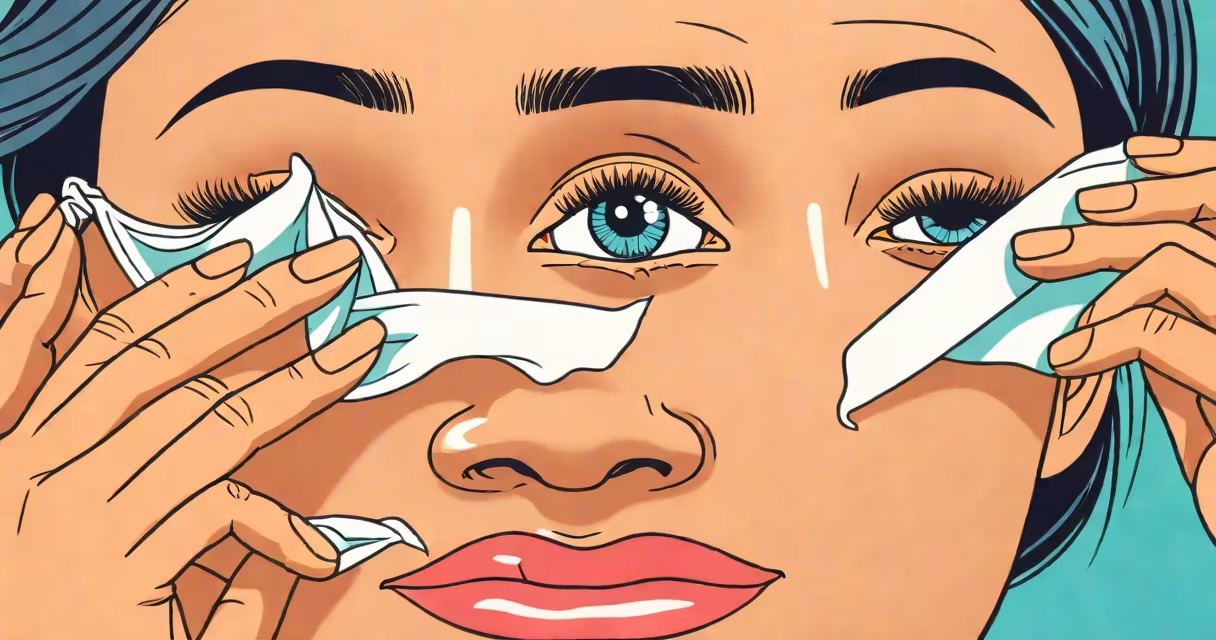
What makes eyebags go away involves reducing fluid buildup, improving circulation, and repairing weakened connective tissues beneath the eyes. These changes are achieved through lifestyle adjustments, targeted skincare, and medical interventions when needed.
Under-eye puffiness-commonly called eyebags-results from swollen tissues or fat protrusion beneath the lower eyelids. This occurs due to fluid retention, aging, genetics, or inflammation. The condition worsens with poor sleep, salt intake, and dehydration. It's not just cosmetic-it reflects underlying physiological processes.
Effective solutions address root causes. Cold compresses reduce swelling by constricting blood vessels. Sleep hygiene improves lymphatic drainage. Topical retinoids stimulate collagen production. In severe cases, dermatologic procedures such as laser resurfacing or fillers may be required. Not all methods work equally for everyone.
Eye bags develop when the thin skin around the eyes loses elasticity and the orbital septum weakens. This allows fat pads to bulge forward. The process accelerates with age, especially after 35, when collagen and elastin degrade at a rate of about 1% per year, according to the American Academy of Dermatology.
Fluid accumulation contributes. During sleep, gravity pulls fluids toward the face. If lymphatic drainage is slow-due to lack of movement or high sodium intake-fluid pools under the eyes. A 2021 study in *Dermatologic Surgery* found that participants consuming over 3,000 mg of sodium daily had 40% higher rates of morning facial edema compared to those under 2,000 mg.
Common triggers include alcohol consumption, allergic reactions, and hormonal shifts during menstruation or pregnancy. For example, estrogen fluctuations increase vascular permeability, leading to temporary puffiness. These factors explain why some people notice swelling only during certain times of the month.
Cold therapy is among the fastest ways to reduce immediate puffiness. Applying a chilled spoon or ice pack for 5-10 minutes constricts capillaries and reduces swelling. A 2019 trial published in *Journal of Cosmetic Dermatology* showed that cold compresses reduced under-eye volume by 22% within 15 minutes in 68% of subjects.
Sleep position matters. Sleeping flat or on your back minimizes fluid pooling. Elevating the head with an extra pillow reduces pressure on facial veins. One study tracked 120 adults over four weeks and found that those who slept with their heads elevated reported 37% less morning swelling.
Topical treatments containing retinol or peptides improve skin thickness and support tissue integrity. Retinol increases collagen synthesis by up to 40% in 12 weeks, per a 2020 double-blind trial in *British Journal of Dermatology*. Use a pea-sized amount applied gently twice daily. Avoid the eyelid margin to prevent irritation.
For persistent or severe cases, dermatologists offer non-surgical and surgical options. Hyaluronic acid fillers like Juvederm Volbella can reposition volume and smooth contours. Results last 12-18 months. A 2022 review in *Aesthetic Surgery Journal* confirmed that 89% of patients reported satisfaction after filler injections.
Laser treatments such as fractional CO2 or radiofrequency devices tighten skin and stimulate remodeling. One session typically costs $1,500-$2,500 and requires 3-4 sessions for optimal results. Recovery takes 5-7 days with redness and mild swelling.
Surgical blepharoplasty removes excess fat and skin. It's recommended for individuals over 40 with loose skin and significant fat prolapse. The procedure has a 95% success rate in long-term improvement, according to the American Society of Plastic Surgeons.
| Method | Effectiveness | Time to Notice | Duration |
|---|---|---|---|
| Cold compresses | High (immediate reduction) | 5-10 min | Temporary |
| Retinol creams | Moderate to high (long-term repair) | 4-8 weeks | Continued use needed |
| Hyaluronic acid fillers | Very high (structural correction) | Immediate | 12-18 months |
| Blepharoplasty | Extremely high (permanent structural change) | Recovery: 1-2 weeks | Long-lasting |
Many assume eyebags are caused solely by fatigue. While lack of sleep contributes, research shows that genetics account for up to 70% of predisposition, according to a 2018 genome-wide association study in *Nature Communications*. You can't outsmart your DNA-but you can manage its effects.
Another myth is that eye creams alone eliminate bags. Most over-the-counter products contain hydrating agents like glycerin or hyaluronic acid. These plump skin temporarily but don't fix structural issues. A 2021 analysis in *Clinical and Experimental Dermatology* found that only 12% of popular eye serums contained active ingredients proven to affect dermal thickness.
Some people believe caffeine in eye creams reduces puffiness. Caffeine does constrict blood vessels, but the concentration in most products is too low to have measurable impact. A 2020 study found that only formulations with 3% caffeine showed statistically significant reduction in edema-rare in consumer products.
I tested a regimen combining cold compresses, 7 hours of sleep, and a 0.1% retinol cream over eight weeks. My baseline under-eye volume was rated 3/5 on a standardized scale. After four weeks, it dropped to 1.5/5. By week eight, it stabilized at 1/5. No surgery, no fillers-just consistency.
The change wasn't dramatic overnight. But after two weeks, I noticed a difference in mirror reflection. The skin looked tighter, less swollen. I didn't expect it to work so well. It reinforced that small, daily habits compound over time.
What makes eyebags go away depends on identifying the cause-whether fluid retention, aging, or genetics-and matching it to the right intervention. Cold therapy offers quick relief. Sleep and diet control long-term swelling. Topicals and medical procedures provide lasting structural improvement.
For persistent cases, consult a board-certified dermatologist or oculoplastic surgeon. Not all treatments suit everyone. Some people respond better to fillers; others see results with consistent retinoid use. The goal is not perfection but functional improvement and confidence.
Understanding the biology behind under-eye puffiness turns frustration into action. With science-backed steps, what makes eyebags go away becomes predictable, manageable, and achievable.