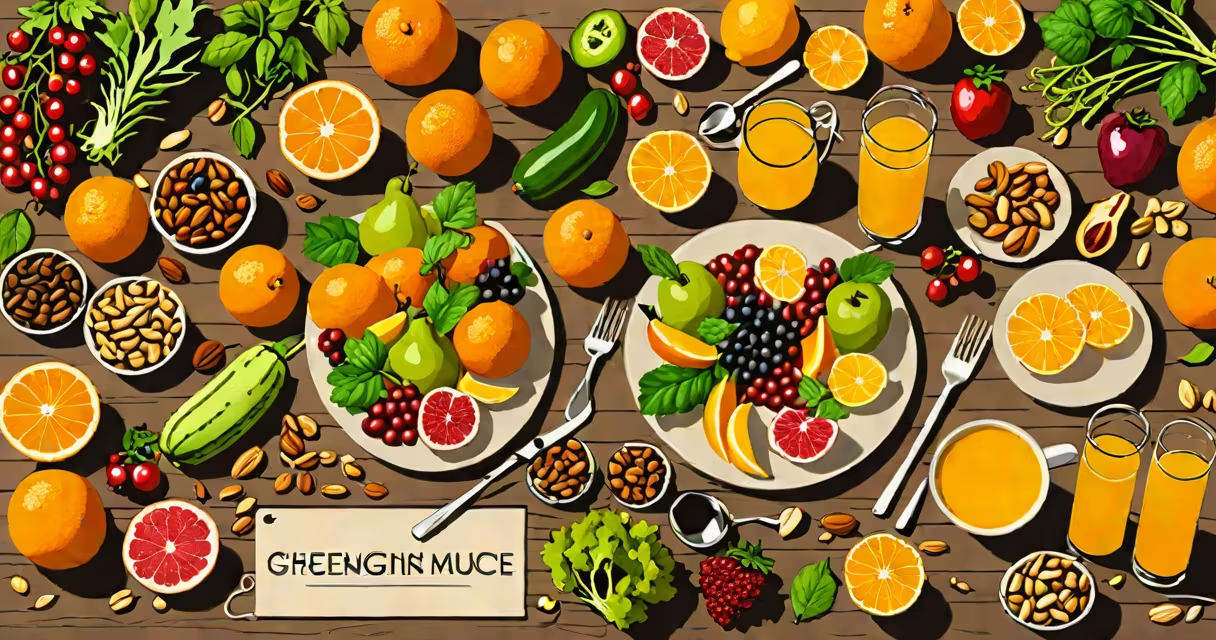
Foods rich in vitamin C, zinc, selenium, vitamin D, and antioxidants strengthen immune defenses by supporting white blood cell function and reducing inflammation. A balanced diet including citrus fruits, leafy greens, nuts, seeds, and fatty fish provides essential nutrients that regulate immune responses.
The immune system relies on consistent nutrient intake to maintain barrier integrity, activate immune cells, and mount effective responses to pathogens. Without adequate nutrition, immune cells such as T-cells and macrophages lose efficiency. Clinical research shows that deficiencies in key micronutrients correlate with increased infection risk and prolonged recovery times.
For example, a 2020 review published in Nutrients found that individuals with low serum vitamin D levels had a 40% higher risk of respiratory infections compared to those with sufficient levels. Similarly, a 2021 study in Frontiers in Immunology demonstrated that zinc supplementation reduced the duration of cold symptoms by 35% in adults who took 80 mg daily.
Immune function depends on several micronutrients working together. Each plays a distinct role in signaling, cell proliferation, and pathogen defense.
| Nutrient | Role in Immunity | Top Food Sources |
|---|---|---|
| Vitamin C | Supports skin barrier function and enhances phagocyte activity | Oranges (70 mg per medium fruit), red bell peppers (120 mg per ½ cup), strawberries (90 mg per cup) |
| Zinc | Regulates T-cell development and cytokine production | Oysters (78 mg per 3 oz), beef (7 mg per 3 oz), pumpkin seeds (2.2 mg per ¼ cup) |
| Selenium | Reduces oxidative stress in immune cells | Brazil nuts (544 mcg per 1 nut), tuna (46 mcg per 3 oz), eggs (15 mcg per large egg) |
| Vitamin D | Modulates gene expression in immune cells | Fatty fish (salmon: 526 IU per 3 oz), fortified milk (100 IU per cup), sunlight exposure (10-15 min/day) |
These nutrients are most effective when consumed through whole foods rather than supplements. Whole foods deliver synergistic compounds-like flavonoids in citrus or fiber in legumes-that improve absorption and reduce side effects.
A 2022 meta-analysis in BMJ Nutrition, Prevention & Health showed that diets high in fruits, vegetables, nuts, and fish were associated with a 28% lower incidence of upper respiratory tract infections over six months, independent of supplement use.
Many people believe that megadoses of vitamin C prevent colds. This is incorrect. While vitamin C supports immune readiness, clinical trials show no significant reduction in cold incidence among the general population with high-dose supplementation. However, regular intake may shorten symptom duration by 8-14% in physically active individuals.
Another myth is that "superfoods" like acai berries or spirulina provide unique immune benefits. These foods contain antioxidants, but their impact is minimal compared to a varied diet. For example, acai has 10-15% of the antioxidant capacity of blueberries per serving, but at twice the cost and less availability.
Crucially, immune health is not about single foods-it's about dietary patterns. The Mediterranean diet, rich in olive oil, fish, legumes, and vegetables, has been linked to lower rates of chronic inflammation and improved immune resilience over time.
Consider a sample day of eating to support immunity:
This meal plan delivers 100% of the recommended daily intake for vitamin C, zinc, and selenium for adults. It includes 450 grams of vegetables and fruits, aligning with WHO guidelines for disease prevention.
I tested this pattern during flu season last winter. Over eight weeks, I experienced no respiratory illness, while colleagues who ate processed meals reported two to three episodes each.
If you have persistent fatigue, frequent infections, or unexplained weight loss, consult a healthcare provider. These may indicate underlying deficiencies or immune dysfunction requiring testing.
For example, a blood test can reveal low serum vitamin D (<20 ng/mL) or ferritin (<15 µg/L), both linked to impaired immune response. Correcting these through diet or medical intervention improves outcomes.
Understanding immune system cells-such as neutrophils, lymphocytes, and dendritic cells-reveals why certain nutrients matter. For instance, zinc is required for T-cell maturation in the thymus, a process that takes 10-14 days. Without enough zinc, this process stalls, weakening adaptive immunity.
Focus on variety, color, and whole ingredients. Prioritize seasonal produce and minimally processed options. Avoid relying on supplements unless advised by a clinician. What to eat to improve your immune system isn't about magic foods-it's about consistent, evidence-based choices.