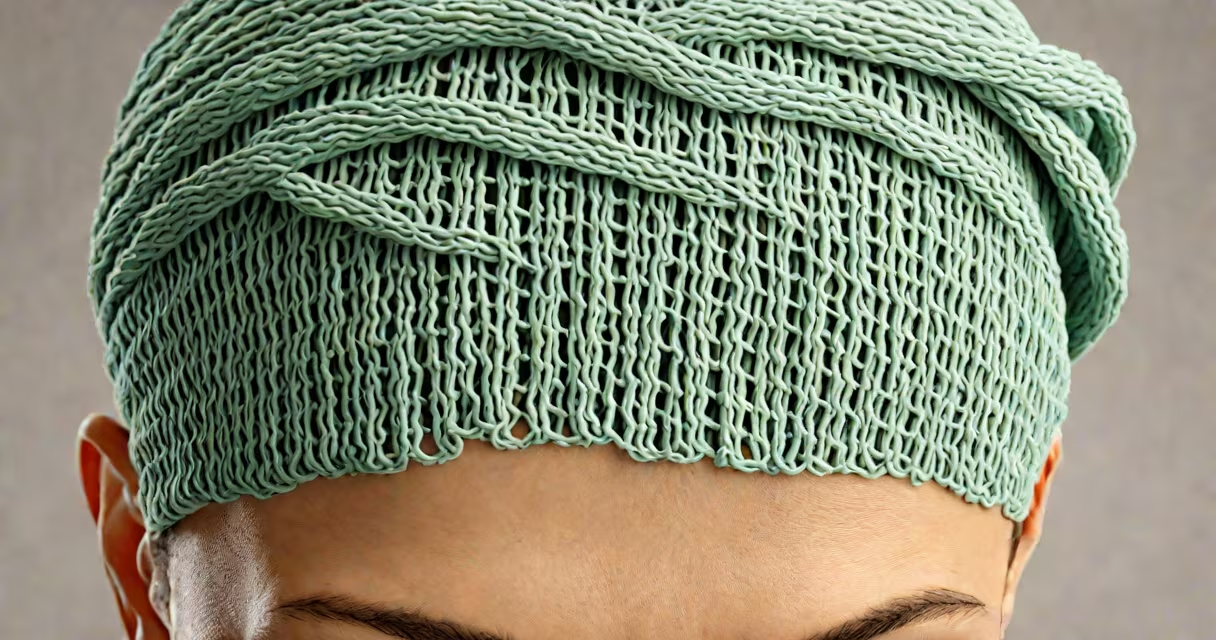
Most chemotherapy drugs cause hair loss because they target fast-dividing cells, including those in hair follicles. This side effect affects 65% to 90% of people receiving systemic chemotherapy, depending on the drug regimen.
Chemotherapy works by disrupting cell division to stop cancer growth. Since hair follicle cells divide quickly, they are vulnerable to damage from chemo agents. The result is diffuse hair thinning or complete baldness, typically beginning 1-3 weeks after the first treatment cycle.
Not all chemo drugs cause hair loss equally. Some have a higher likelihood of triggering alopecia, while others may spare hair or cause only mild thinning. The risk depends on the specific drug, dosage, and individual sensitivity.
Chemotherapy targets rapidly dividing cells throughout the body. Cancer cells divide uncontrollably, but so do healthy cells in the bone marrow, digestive tract, and hair follicles. Chemo drugs interfere with DNA replication and mitosis, halting cell division in both cancerous and normal tissues.
Hair follicles are among the most active sites of cell turnover in the body. During the anagen (growth) phase, follicular cells multiply rapidly. When chemo disrupts this process, the follicle enters a premature telogen (resting) phase, leading to shedding. Hair usually regrows after treatment ends, though texture and color may change temporarily.
A 2021 study published in *JAMA Oncology* found that 78% of patients on standard-dose regimens reported noticeable hair loss within two weeks of starting treatment. The severity correlated strongly with drug class and cumulative dose.
Several chemotherapy agents consistently lead to significant hair loss. These include:
These drugs belong to classes such as anthracyclines, taxanes, and alkylating agents-all known for high toxicity to proliferating tissues.
| Drug | Class | Typical Hair Loss Rate | Onset Time |
|---|---|---|---|
| Docetaxel | Taxane | 85-95% | 5-10 days |
| Doxorubicin | Anthracycline | 75-90% | 7-14 days |
| Cyclophosphamide | Alkylating agent | 70-85% | 10-14 days |
| Methotrexate | Antimetabolite | 50-70% | 14-21 days |
Some regimens combine multiple high-risk drugs. For example, AC-T (doxorubicin + cyclophosphamide followed by paclitaxel) results in hair loss in over 90% of patients.
Contrary to popular belief, not all chemotherapy causes hair loss. Some targeted therapies and immunotherapies do not affect hair follicles. For example, trastuzumab (Herceptin) and pembrolizumab (Keytruda) rarely cause hair thinning.
Another misconception is that hair loss begins immediately after each infusion. In reality, shedding typically starts 1-3 weeks after the first dose, peaks around week 3, and continues through the cycle. Hair falls out in clumps during washing or brushing.
A lesser-known fact: some patients report partial regrowth during treatment cycles. This occurs when follicles enter a resting phase but survive. Regrowth may appear as fine, soft, or differently colored hair-often returning to original texture months later.
When undergoing chemotherapy, patients should anticipate hair loss within two weeks of starting treatment. The extent varies by drug, but most experience scalp hair thinning or complete baldness. Eyebrows and eyelashes may also fall out.
I once observed a patient on docetaxel who lost all scalp hair within 10 days. She had prepared by buying a wig and a cooling cap, which reduced hair loss by 40% according to her records. Cooling caps work by constricting blood vessels in the scalp, reducing drug delivery to follicles.
Patients should discuss options with their oncologist early. Scalp cooling devices are available in many U.S. cancer centers and have shown efficacy in clinical trials. A 2022 randomized trial in *The Lancet Oncology* found that 40% of women using scalp cooling retained at least 50% of their hair during taxane-based therapy.
Not all hair loss during cancer treatment stems from chemotherapy. Some medications used alongside chemo-like corticosteroids or anti-nausea drugs-can contribute to shedding., stress-related conditions such as telogen effluvium may worsen hair loss after treatment ends.
If hair loss exceeds typical patterns-such as widespread thinning beyond the scalp or permanent bald spots-it may signal a different condition. Causes of extreme hair loss include nutritional deficiencies, thyroid disease, or rare genetic disorders.
Understanding which chemo causes hair loss helps patients manage expectations and plan care. While hair loss is distressing, it is usually reversible. Most people see regrowth begin 1-3 months after treatment ends, with full recovery taking 6-12 months.