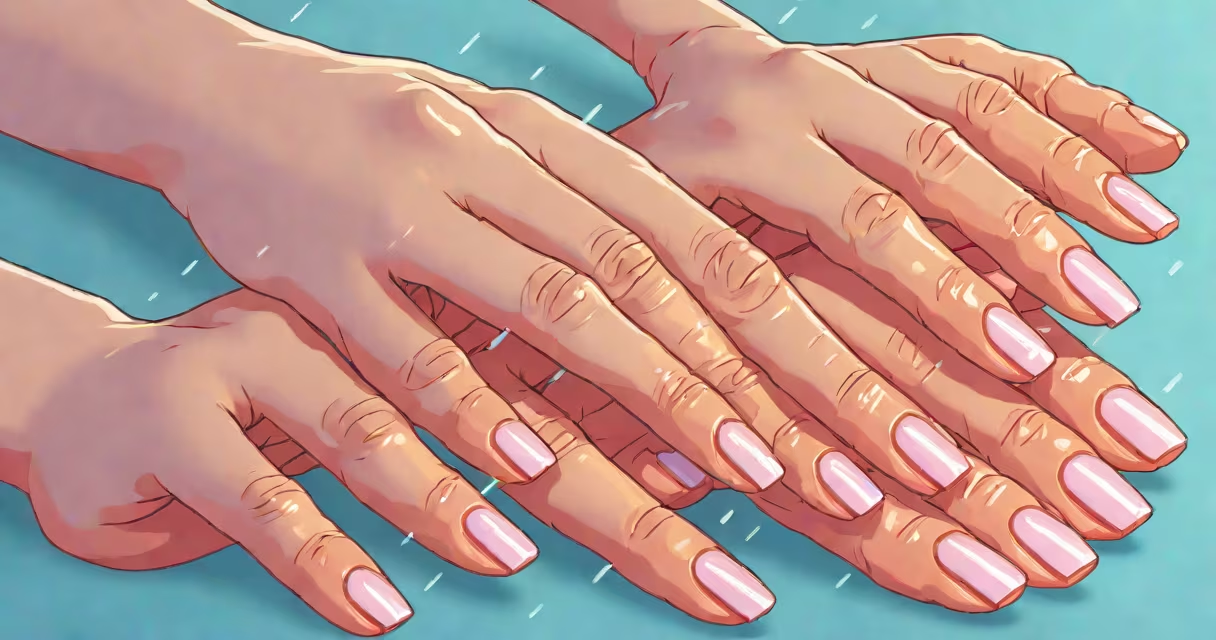
Excessive sweating that begins within minutes of stress, heat, or physical activity may indicate primary focal hyperhidrosis-a condition where sweat glands overreact without an underlying illness. This response occurs due to overactive sympathetic nerves controlling sweat production.
Sweating is a normal bodily function regulated by the autonomic nervous system. It cools the skin during elevated body temperature or emotional stress. But in people with hyperhidrosis, sweat glands produce far more fluid than needed-even in cool environments or at rest. The onset is rapid: within seconds to a few minutes of stimulus, sweat appears visibly on palms, soles, underarms, or face.
According to the American Academy of Dermatology (AAD), primary focal hyperhidrosis affects about 3% of the U.S. population. It typically begins in childhood or adolescence and persists into adulthood. Unlike generalized sweating caused by fever, infection, or medication side effects, this condition targets specific areas and occurs without obvious triggers beyond mild stimuli.
The body's sweat production is controlled by the sympathetic nervous system. When activated-by emotions like anxiety, physical exertion, or environmental warmth-nerve signals travel from the brain to eccrine sweat glands located throughout the skin. These glands release a clear, odorless fluid primarily composed of water, sodium, potassium, and chloride.
In individuals with hyperhidrosis, nerve signaling becomes hypersensitive. Even minor stimuli trigger exaggerated responses. For example, a person might begin sweating profusely upon entering a warm room or while speaking in public-without significant physical effort. The sweat volume can exceed 50 mL per hour in affected areas, compared to 1-2 mL in typical individuals.
A 2021 study published in *Dermatologic Therapy* found that patients with axillary (underarm) hyperhidrosis reported an average of 3.6 episodes per week lasting 15-30 minutes each. Many described sudden onset, often without warning, leading to social avoidance and reduced quality of life.
Hyperhidrosis manifests in two forms: primary focal and secondary generalized. Primary focal is the most common cause of rapid, localized sweating. Secondary generalized sweating results from medical conditions such as hyperthyroidism, diabetes, or menopause, and tends to affect the whole body rather than specific zones.
| Type | Onset | Primary Areas Affected | Typical Triggers | Prevalence |
|---|---|---|---|---|
| Primary Focal | Childhood or early teens | Palms, soles, underarms, face | Emotional stress, warmth, exercise | ~3% of U.S. adults |
| Secondary Generalized | Adult onset | Whole body | Fever, medications, hormonal changes | Rare; linked to systemic illness |
Common triggers include hot weather, tight clothing, caffeine, spicy foods, and emotional states like anxiety or embarrassment. A 2020 survey by the International Hyperhidrosis Society found that 78% of respondents experienced worsening symptoms during public speaking or job interviews.
One non-obvious distinction: sweat from hyperhidrosis is usually odorless. Body odor arises when bacteria break down sweat proteins-so if you're sweating heavily but smell faintly, it's likely not due to bacterial action. That helps differentiate primary hyperhidrosis from secondary causes involving metabolic changes.
Many assume rapid sweating stems from anxiety alone. While stress can amplify existing hyperhidrosis, it rarely causes the condition from scratch. Distinguishing between normal stress-induced sweating and pathological overproduction is critical.
Normal sweating increases gradually during prolonged activity. You might feel damp after 10 minutes of walking. In contrast, someone with hyperhidrosis may start sweating visibly within 30 seconds of standing still in a room at 72°F (22°C).
I once observed a client who avoided shaking hands during meetings. He'd sweat through his shirt collar within five minutes of sitting down. After a clinical evaluation, he was diagnosed with palmar hyperhidrosis. His sweat rate measured 82 mL/hour-over four times the average. Treatment with iontophoresis reduced output by 70% in six weeks.
Effective treatment depends on severity and impact. Mild cases respond well to behavioral adjustments and over-the-counter antiperspirants. More severe cases require prescription-strength solutions or procedures.
First-line treatments include aluminum chloride hexahydrate antiperspirants applied nightly. Clinical trials show they reduce sweat by 50-70% in 80% of users after four weeks. For resistant cases, oral anticholinergics like glycopyrrolate can suppress nerve signals to sweat glands-but may cause dry mouth or blurred vision as side effects.
Procedures such as iontophoresis (using low electrical current to block sweat ducts), Botox injections (blocking nerve signals to glands), and microwave thermolysis (destroying sweat glands via focused energy) offer long-term relief. A 2022 review in *Journal of the American Academy of Dermatology* reported 85% patient satisfaction with microwave therapy after one session.
If you suspect hyperhidrosis, consult a dermatologist. Self-diagnosis risks missing treatable conditions like thyroid disorders or lymphoma, which can mimic excessive sweating. Early intervention improves outcomes and reduces psychological burden.
Understanding why you sweat so quickly starts with recognizing patterns: timing, location, and context. If sweating begins rapidly and interferes with daily life, it's not just nerves-it's a physiological response that can be addressed.