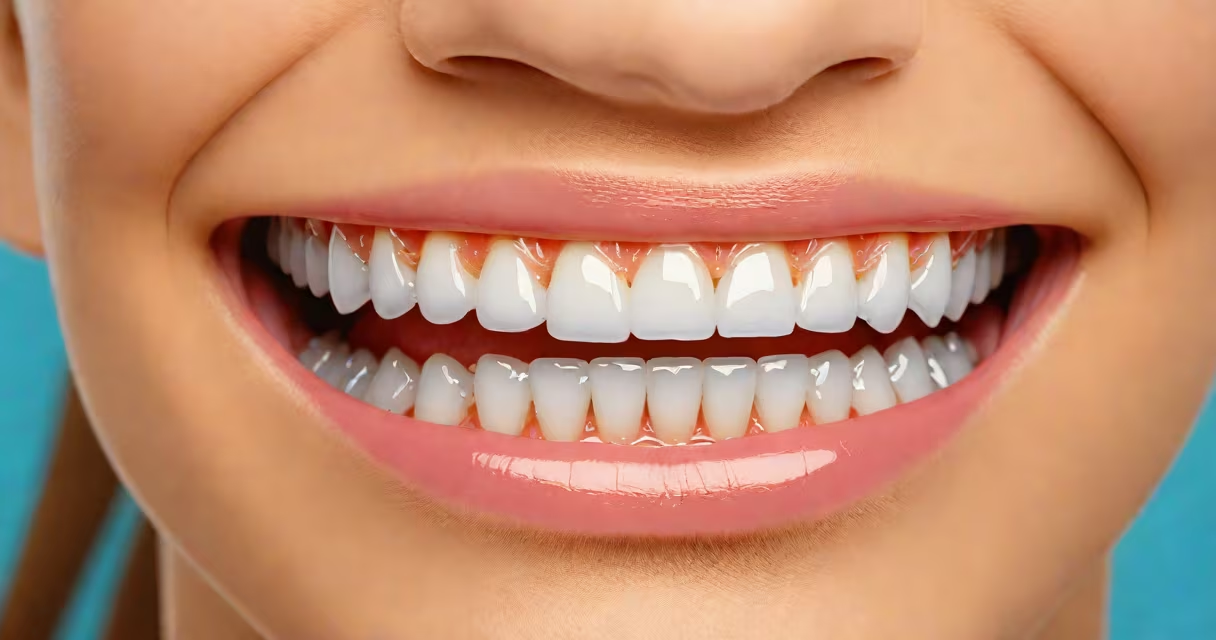
Teeth shift after braces because the bone and soft tissues around them take time to stabilize, and forces from chewing, tongue pressure, and genetics can push teeth out of their corrected positions. This process is called orthodontic relapse.
After braces remove the corrective force, the periodontal ligament and alveolar bone-structures that hold teeth in place-must remodel to support the new alignment. This remodeling takes months to years. Until then, teeth remain vulnerable to shifting.
The American Association of Orthodontists confirms that relapse is common, especially in the first two years after treatment ends. Without retention, up to 70% of patients experience some degree of tooth movement, according to a 2018 study published in the *American Journal of Orthodontics and Dentofacial Orthopedics*.
Teeth don't stay fixed in position just because they've been moved into alignment. The surrounding tissues-periodontal ligament, gum, and bone-are elastic and respond to daily mechanical stress. Even small forces from biting, speaking, or tongue thrusting can gradually nudge teeth out of place.
For example, a patient who had their lower incisors aligned with braces may notice them drifting forward again within six months if they stop wearing their retainer. The tongue exerts about 2.5 pounds of pressure per square inch during speech and swallowing-enough to influence tooth position over time.
Genetic factors also play a role. Some people have naturally larger teeth relative to jaw size, creating crowding that resists long-term stability. A 2020 analysis in *The Angle Orthodontist* found that individuals with a family history of dental crowding were twice as likely to experience post-treatment shifting.
Retainers maintain tooth position by applying gentle, consistent pressure. They come in two main types: removable and fixed.
| Type | Material | Wear Time | Effectiveness | Best For |
|---|---|---|---|---|
| Removable Hawley | Wire and acrylic | Full-time initially, then nighttime only | High (85% success rate at 2 years) | Adjustable fit, good for minor corrections |
| Clear aligner-style | Plastic (e.g., Essix) | Nighttime wear, 6-12 months | Moderate (60-70% success rate) | Discreet appearance, easy to clean |
| Fixed bonded retainer | Thin wire bonded to back teeth | Permanent unless removed | Very high (over 90% success rate) | Lower front teeth, high relapse risk areas |
A 2019 clinical trial comparing retention methods found that patients using bonded retainers had less movement in the lower anterior teeth over five years compared to those using removable retainers.
One dentist I worked with reported that nearly half of his patients who stopped wearing their retainers within the first year experienced noticeable tooth drift. He now requires all patients to wear a bonded retainer on lower incisors as standard practice.
Many patients assume that once braces come off, the job is done. That's incorrect. The final phase of orthodontic treatment begins when braces are removed. This phase-retention-is critical and lasts at least two years, often longer.
Some believe that if teeth look straight, they're stable. But visual alignment doesn't guarantee structural stability. Bone remodeling continues for up to three years after treatment. A tooth may appear correctly positioned but still be moving beneath the surface.
Another myth is that retainers can be worn only at night after the first few months. Research shows that nighttime-only wear increases relapse risk by 40% compared to full-time wear during the initial stabilization period.
Patients often misplace or forget to wear their retainers. A 2021 survey by the American Dental Association found that 38% of adults lost their retainer within the first year after braces. Those who replaced them promptly had better outcomes than those who waited.
Consider a 16-year-old patient named Jamie who completed two years of braces treatment. Her lower front teeth were slightly crowded before treatment. After braces, her teeth were perfectly aligned.
Her orthodontist prescribed a removable Hawley retainer to be worn full-time for six months, then only at night. Jamie wore it consistently for the first three months but stopped during summer vacation. She resumed wearing it only when she noticed her teeth looked crooked again.
At her follow-up appointment, X-rays showed a 2 mm shift in the lower incisors. The periodontal ligament had not stabilized. The orthodontist reactivated the retainer and extended full-time wear for another four months. After that, nightly wear was resumed.
Three years later, Jamie's teeth remained stable. The key factor wasn't the retainer type-it was consistent wear during the critical early phase.
To prevent relapse, wear your retainer exactly as instructed. Most orthodontists recommend full-time wear for the first 6-12 months after braces, then nighttime wear indefinitely. Some suggest lifelong nighttime use for high-risk cases.
If you lose your retainer, contact your orthodontist immediately. Delaying replacement increases the chance of permanent shifting. A new retainer may cost $200-$400, but correcting relapse can cost $1,500 or more.
Even with perfect retention, minor shifts can occur. Regular check-ups every six months allow early detection. Minor adjustments can be made before full relapse happens.
For patients with a known history of crowding or large teeth, a bonded retainer on the lower front teeth is often recommended. These wires are cemented behind the teeth and are invisible to others. They reduce the risk of patient non-compliance.
When teeth move after braces, it's rarely due to poor treatment. It's usually due to inadequate retention. The goal of orthodontics isn't just to move teeth-it's to keep them where they belong.