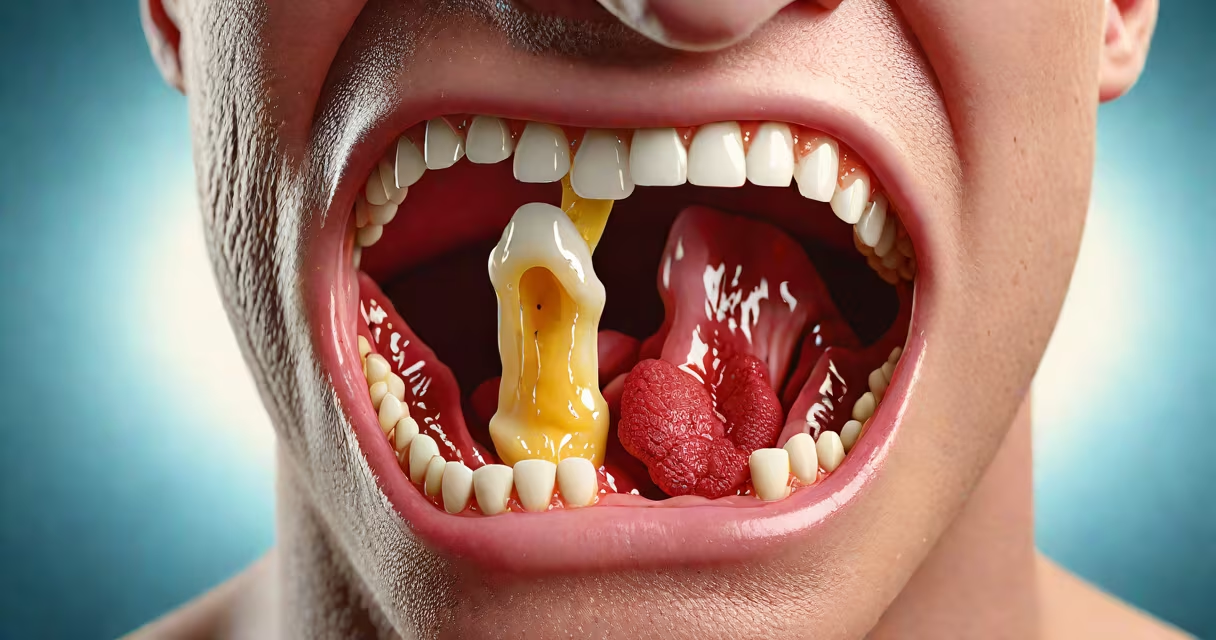
Tonsil pain results from infection, inflammation, or irritation of the lymphoid tissue at the back of the throat. Common triggers include viral or bacterial infections, such as strep throat or mononucleosis, and physical trauma like swallowing sharp food.
The tonsils are part of the immune system, located on either side of the throat behind the tongue. They trap pathogens entering through the mouth and nose. When overwhelmed, they swell and become painful-a sign the body is fighting infection.
According to the American Academy of Otolaryngology-Head and Neck Surgery (AAO-HNS), tonsillitis affects about 1 in 10 people annually, with most cases caused by viruses. Bacterial causes, especially group A Streptococcus, account for roughly 15-30% of cases in children and 5-10% in adults.
Infection begins when bacteria or viruses enter the tonsil's crypts-small pockets in the tissue. These areas trap debris, mucus, and microorganisms. As immune cells respond, swelling and pus formation occur, leading to pain, redness, and difficulty swallowing.
Pain often worsens during swallowing due to pressure on nerve endings in the pharynx. The trigeminal and glossopharyngeal nerves transmit signals from the tonsil area to the brain, making even mild irritation feel intense.
A 2021 study published in *The Laryngoscope* found that patients with acute tonsillitis reported average pain scores of 7.6 out of 10 on the visual analog scale, with peak discomfort occurring within the first 48 hours of symptom onset.
Not all tonsil pain comes from infection. Non-infectious causes include acid reflux, dry air, smoking, and trauma from sharp foods like chips or bones. These can irritate the tonsil surface without triggering immune activation.
Confusingly, tonsil pain may mimic other conditions. For example, referred ear pain occurs when inflammation near the tonsils activates shared nerves with the ear. Up to 30% of patients with tonsillitis report earache, though no ear infection exists.
One underappreciated cause is peritonsillar abscess-a collection of pus between the tonsil and surrounding muscle. This condition causes severe unilateral pain, jaw stiffness, and difficulty opening the mouth. It requires prompt medical drainage and antibiotics.
| Type | Primary Cause | Typical Symptoms | Duration |
|---|---|---|---|
| Viral tonsillitis | Adenovirus, Epstein-Barr, rhinovirus | Throat pain, low-grade fever, fatigue, swollen lymph nodes | 3-7 days |
| Bacterial tonsillitis | Group A Streptococcus (GAS) | Severe sore throat, high fever (>38.3°C), white exudate, tender neck nodes | 5-10 days without treatment |
| Peritonsillar abscess | Secondary bacterial infection | Unilateral pain, muffled voice ("hot potato" speech), trismus (difficulty opening mouth) | Requires urgent care |
| Reflux-related irritation | Stomach acid exposure | Burning sensation, worse at night, hoarseness | Chronic, intermittent |
One key distinction: viral tonsillitis rarely causes pus. When white patches appear, bacterial infection is more likely. However, some viral infections-like infectious mononucleosis-can produce similar-looking exudates.
I once treated a 16-year-old with persistent tonsil pain and fatigue. Initial rapid strep test was negative. After a positive heterophile antibody test, diagnosis was EBV-induced mononucleosis. The patient had no fever but experienced extreme fatigue and swollen tonsils with grayish exudate-mimicking strep, but requiring different management.
Seek evaluation if pain lasts longer than 7 days, worsens over time, or is accompanied by high fever (>39°C), difficulty breathing, drooling, or inability to open the mouth. These signs suggest complications like abscess or airway obstruction.
Children under 3 years old with tonsil pain should be assessed promptly. Their airways are narrow, and swelling can quickly compromise breathing. The Centers for Disease Control and Prevention (CDC) recommends testing for strep in children aged 3-18 when symptoms meet clinical criteria.
Over-the-counter remedies like acetaminophen or ibuprofen reduce pain and fever. Gargling with warm salt water (1/2 tsp per cup) may soothe irritation. Avoid alcohol-based lozenges if you have a history of oral ulcers or dry mouth.
Good hand hygiene reduces transmission of respiratory pathogens. Avoid sharing utensils, drinks, or toothbrushes during illness. Vaccination against influenza and pneumococcus lowers risk of secondary infections that can inflame the tonsils.
Rest and hydration support recovery. A 2019 review in *JAMA Otolaryngology-Head & Neck Surgery* found that patients who maintained fluid intake above 2 liters daily recovered faster than those who did not.
Chronic tonsil pain may require surgical evaluation. Tonsillectomy is recommended for recurrent episodes-seven or more in a year, five per year for two years, or three per year for three years-per AAO-HNS guidelines.
Understanding why tonsils hurt helps distinguish common viral sore throats from serious bacterial threats. Most cases resolve in a week with rest and symptom management. Persistent or worsening pain demands professional assessment.