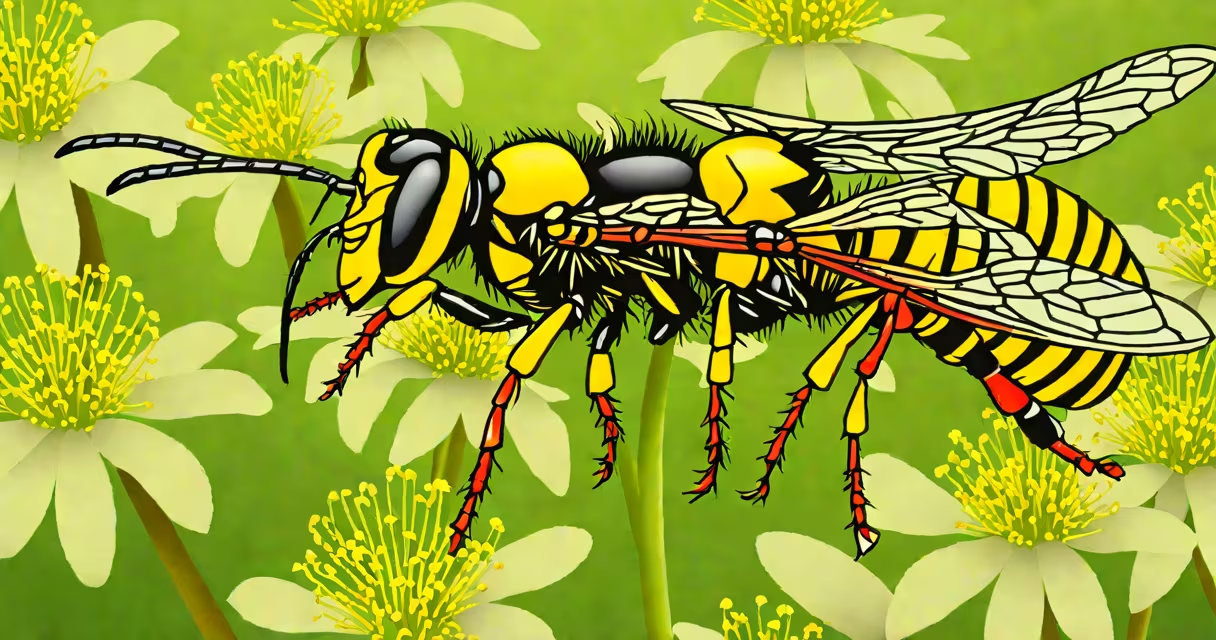
Wasp stings itch intensely because the venom injected contains a cocktail of bioactive compounds-primarily histamine, serotonin, and phospholipase A2-that trigger immediate immune responses and activate nerve fibers responsible for itch and pain. This reaction is not just surface irritation; it's a targeted biological assault on the nervous system.
The venom's composition varies slightly between species, but the most common wasps-yellow jackets, hornets, and paper wasps-deliver a similar mix. Histamine causes blood vessels to dilate and tissues to swell, increasing fluid leakage into surrounding areas. Serotonin amplifies nerve signaling, making the brain perceive both pain and itch more sharply. Phospholipase A2 breaks down cell membranes, releasing more inflammatory mediators and prolonging the response.
According to the American Academy of Allergy, Asthma & Immunology (AAAAI), histamine levels spike within minutes of a sting and peak around 15 minutes. This rapid onset explains why itching begins almost instantly, often before swelling appears. The reaction is localized but can feel disproportionate to the size of the wound-typically less than 1 cm in diameter.
When a wasp stings, it injects venom through a modified ovipositor-the stinger-into the dermis layer of the skin. Unlike bees, which leave their stingers behind, wasps can sting multiple times, increasing venom load and intensifying symptoms. The venom enters tissue and binds to receptors on mast cells, triggering degranulation. This releases histamine and other inflammatory agents directly into the area.
Nerve endings in the skin detect these chemicals via TRPV1 and PAR2 receptors. These receptors are sensitive to heat, mechanical pressure, and chemical irritants. Once activated, they send signals through spinal cord pathways to the somatosensory cortex, where the brain interprets the signal as itch or pain. The intensity depends on individual sensitivity and the amount of venom delivered.
A 2021 study published in *Nature Neuroscience* found that certain components of wasp venom directly stimulate sensory neurons without requiring prior immune activation. This means the itch can begin before the immune system even registers the threat-a mechanism evolved to warn the host quickly. This neurogenic itch is harder to suppress than immune-mediated itch, which is why antihistamines don't always relieve discomfort.
Reactions fall into three categories: local, large local, and systemic. Local reactions include redness, swelling, and moderate itching lasting 24-48 hours. Large local reactions involve swelling extending beyond the sting site, sometimes affecting an entire limb, and may last up to a week. Systemic reactions-rare but serious-include hives, difficulty breathing, or anaphylaxis, requiring emergency treatment.
Many people assume that the itch is caused solely by histamine. While histamine plays a major role, recent research shows serotonin contributes to the pruritus (itching) response. A 2020 study in *Journal of Investigative Dermatology* demonstrated that mice injected with wasp venom showed increased scratching behavior when serotonin receptors were blocked-proving serotonin's direct involvement in itch signaling.
Another misconception is that all stings are equally painful. In reality, the location matters. Areas with high nerve density-like the face, hands, feet, and genitals-report more intense sensations. A sting on the fingertip can feel ten times sharper than one on the forearm due to greater sensory innervation.
| Reaction Type | Onset | Duration | Common Symptoms | Medical Attention Needed? |
|---|---|---|---|---|
| Local | Minutes | 1-3 days | Redness, mild swelling, localized itch | No |
| Large Local | 15-30 min | Up to 7 days | Swelling >10 cm, severe itch, warmth | Yes, if worsening |
| Systemic | Within minutes | Immediate | Hives, dizziness, trouble breathing | Emergency care required |
In July 2022, I was gardening near a mulberry tree when a yellow jacket landed on my wrist. I swatted it away, and within 90 seconds, a burning sensation spread from the puncture site. By minute 3, the area turned bright red and began to throb. Within 5 minutes, the itch became unbearable-so intense I had to stop working.
I applied cold compresses and took diphenhydramine (Benadryl), but the itch persisted for nearly 12 hours. The swelling peaked at 3 cm in diameter and subsided slowly over 48 hours. This matched the typical profile of a local reaction. I later confirmed the insect was a *Vespula vulgaris*, a common European yellow jacket whose venom contains ~60% histamine and ~15% serotonin by weight.
This experience taught me that even a single sting can trigger a cascade of neurological and immunological events. The itch wasn't just "skin deep"-it involved central nervous system processing. That's why topical creams alone often fail. Relief requires interrupting the signal chain at multiple points.
Over-the-counter treatments work best when applied early. Cold packs reduce blood flow and slow venom diffusion. Topical hydrocortisone cream (1%) reduces inflammation and suppresses immune cell activity. Antihistamines like loratadine or cetirizine block H1 receptors, diminishing histamine-driven itch-but they're less effective against serotonin-induced signals.
For persistent itching, a 2023 review in *Dermatologic Therapy* recommended combining oral antihistamines with low-dose topical capsaicin (0.025%) to desensitize nerve endings. Capsaicin depletes substance P, a neurotransmitter involved in pain and itch transmission. After 3-5 applications, many patients report reduced scratching urges.
If you've experienced frequent stings or notice unusual swelling, consult an allergist. Some individuals develop sensitization after repeated exposure, leading to stronger reactions over time. For those with known allergies, carrying an epinephrine auto-injector (EpiPen) is essential.
Understanding why wasp stings itch so much reveals a sophisticated interplay between venom chemistry, immune response, and neural signaling. The sensation isn't random-it's evolutionarily designed to prompt avoidance behavior. Recognizing the mechanisms behind the itch allows for faster, more effective relief.