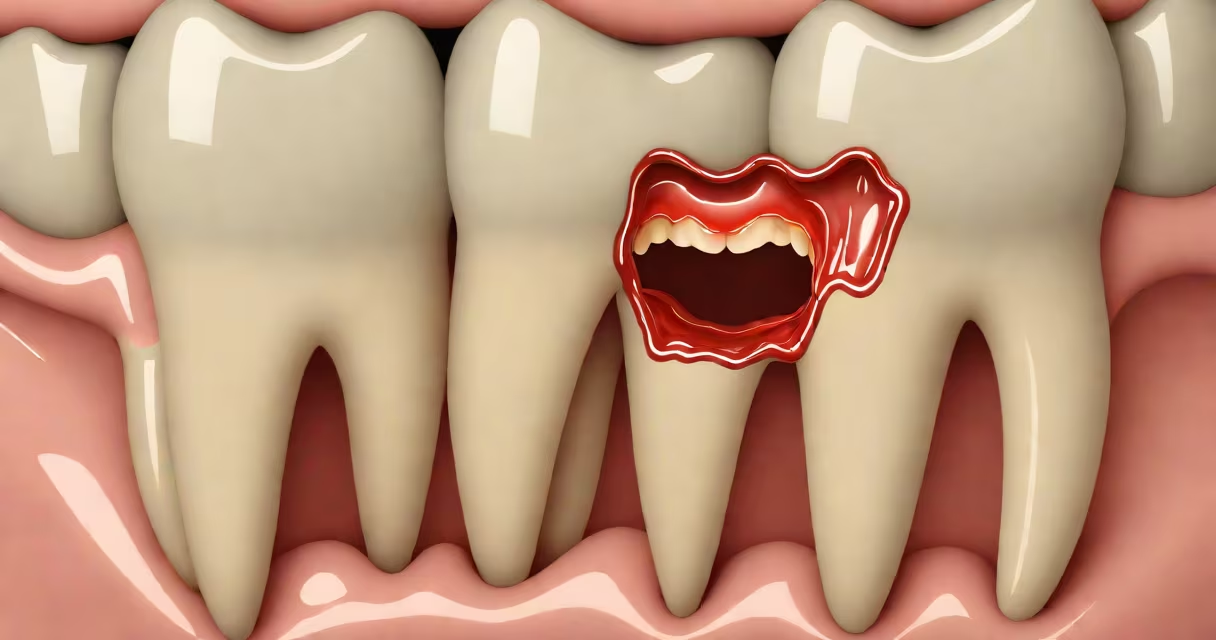
Tooth decay, also known as dental caries, happens when acids produced by oral bacteria break down tooth enamel and dentin. This process begins with plaque buildup and progresses through stages of mineral loss, cavity formation, and potential infection if untreated.
Decay starts when food particles, especially sugars and starches, remain on teeth after eating. Oral bacteria such as *Streptococcus mutans* feed on these residues and produce lactic acid as a byproduct. Over time, this acid dissolves calcium and phosphate minerals in the tooth's outer layer-enamel-creating microscopic holes. If unchecked, the damage spreads deeper into the dentin and may reach the pulp, causing pain and infection.
The American Dental Association (ADA) confirms that tooth decay is the most common chronic disease among children and adults worldwide, affecting nearly 90% of people aged 20-64. It is not caused by poor hygiene alone but results from a combination of bacterial activity, diet, saliva flow, and individual susceptibility.
Decay unfolds in four distinct phases. The first stage is demineralization-acid exposure causes reversible loss of minerals from enamel. At this point, white spots may appear on the tooth surface, often invisible without professional tools.
If acid exposure continues, the second stage begins: cavity formation. Enamel breaks down completely, creating a hole. This stage is irreversible without dental intervention. The third phase involves decay reaching dentin-the softer layer beneath enamel. Dentin is more porous and allows faster progression of decay, leading to increased sensitivity and pain.
In the final stage, decay reaches the pulp, the innermost part containing nerves and blood vessels. This leads to inflammation, severe pain, abscesses, and possible tooth loss. According to the Centers for Disease Control and Prevention (CDC), untreated dental caries is a leading cause of emergency dental visits in the U.S., with over 1 million annual emergency room visits linked to tooth pain.
Bacteria are central to decay, but they require fuel. Frequent consumption of sugary foods and drinks increases acid production. For example, sipping soda throughout the day keeps the mouth in a low-pH state for hours, accelerating enamel erosion. Even fruit juices, despite being natural, contain enough sugar to promote decay when consumed regularly.
Saliva plays a protective role by neutralizing acids, washing away food debris, and supplying minerals for remineralization. Reduced saliva flow-common during sleep, dehydration, or due to medications-increases decay risk. Dry mouth, or xerostomia, is a major factor in silent decay, particularly in older adults and those on certain prescription drugs.
A lesser-known contributor is the timing of sugar exposure. The frequency matters more than the amount. A single candy bar eaten in one sitting causes less harm than sipping a sweetened beverage over several hours. Each time sugar is introduced, bacteria begin producing acid, and the mouth doesn't have time to recover between episodes.
Many assume that only sugary snacks cause decay. While sugar is a primary driver, starchy foods like bread, chips, and crackers also break down into sugars that feed harmful bacteria. A cracker left on the tongue for five minutes can trigger acid production comparable to a small piece of candy.
Another myth is that brushing twice daily prevents decay entirely. While brushing removes plaque, it cannot reverse early mineral loss. Fluoride toothpaste helps strengthen enamel and supports remineralization, but it won't repair a cavity. Once a hole forms, professional treatment is required.
Some believe decay only affects children. In reality, adults face rising rates of root decay due to gum recession, which exposes the softer root surfaces. The CDC reports that 50% of adults aged 65 and older have untreated tooth decay, highlighting the lifelong nature of prevention.
Decay manifests differently based on location and underlying cause. The table below outlines the main types:
| Type | Location | Common Cause | Prevention Tip |
|---|---|---|---|
| Smooth Surface Decay | Front and side surfaces of teeth | Sugar exposure, infrequent brushing | Use fluoride toothpaste and floss daily |
| Pits and Fissures Decay | Chewing surfaces of molars | Trapped food in deep grooves | Dental sealants reduce risk by 80% |
| Root Decay | Exposed roots due to gum recession | Gum disease, aging, dry mouth | Regular dental cleanings and hydration |
| Recurrent Decay | Edges of fillings or crowns | Plaque accumulation around restorations | Use interdental brushes near restorations |
One non-obvious fact: decay can progress silently. A tooth may show no pain until it reaches the pulp. By then, extensive damage has occurred. Routine dental exams detect early signs before symptoms appear. The ADA recommends biannual checkups to catch decay in its earliest stages.
In 2022, a 34-year-old patient reported no pain but had a routine X-ray during a dental visit. The image revealed a 3 mm cavity between two molars, undetectable by sight or touch. The patient consumed three sugary sodas daily and brushed only once a day. After diagnosis, the dentist removed decay and placed a composite filling. Without the X-ray, the cavity would have progressed to nerve involvement, requiring a root canal.
This case illustrates that decay does not always signal through pain. Early detection through imaging and regular care is critical. The patient later changed habits-cutting out soda, using a fluoride rinse, and brushing after every meal-and has maintained healthy teeth for over two years.
Understanding why a tooth decays enables targeted prevention. Limiting frequent sugar intake, using fluoride products, and maintaining consistent oral hygiene are foundational. However, the most effective strategy combines behavioral changes with clinical support.
For individuals with high risk-such as those with dry mouth, frequent snacking, or history of cavities-dentists recommend additional measures. These include prescription-strength fluoride treatments, antimicrobial rinses, and dietary counseling. The ADA notes that patients who receive personalized preventive plans reduce their risk of new decay by up to 60% over five years.
Tooth decay is not inevitable. With proper care, awareness of triggers, and timely intervention, it can be stopped before it starts. Recognizing the signs early and acting on them ensures long-term oral health.