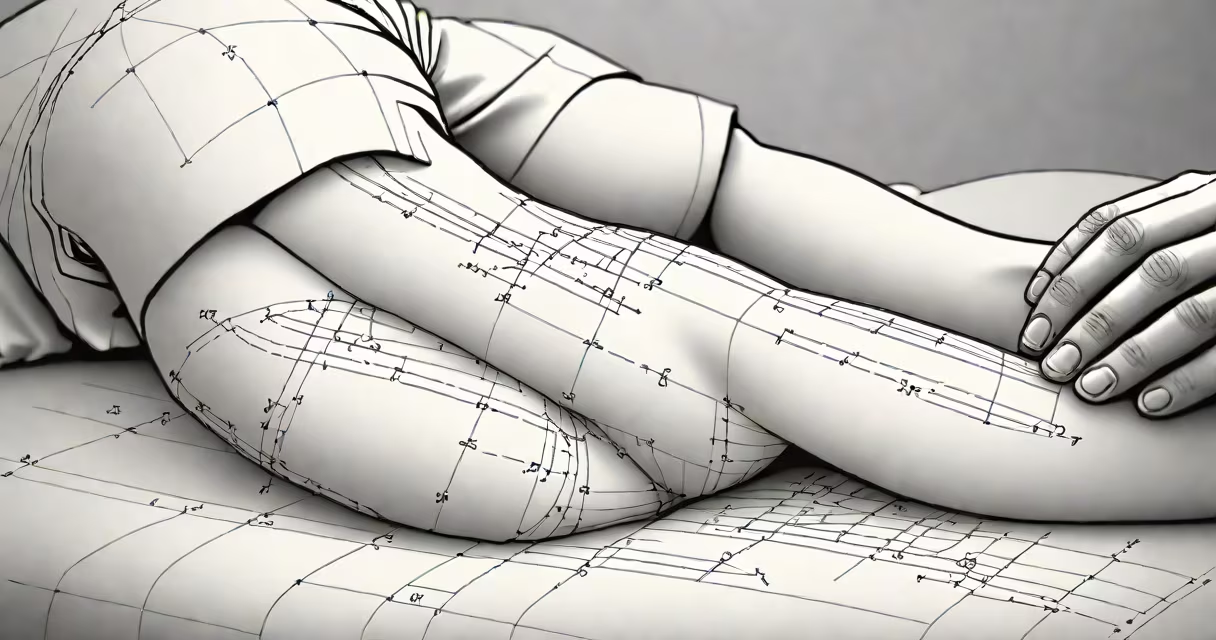
When pressure compresses nerves or restricts blood flow in the arm, sensory signals get disrupted, causing numbness, tingling, or a "pins and needles" sensation. This happens most often when lying on the arm or keeping it in one position for too long.
The phenomenon occurs because nerves in the arm-especially the ulnar nerve at the elbow-can be compressed under pressure. Blood vessels may also narrow temporarily, reducing oxygen delivery to tissues. Once pressure is relieved, normal feeling returns within seconds to minutes. This is a normal physiological response, not a sign of serious disease in most cases.
According to the Mayo Clinic, transient limb numbness from positioning is common and typically resolves quickly. However, recurring episodes without clear cause may signal underlying conditions such as carpal tunnel syndrome or cervical radiculopathy.
Nerves transmit signals from skin and muscles to the brain. When compressed-such as when the arm is trapped under the body during sleep-the signal transmission slows or stops. The result is a loss of sensation or abnormal sensations like tingling, burning, or heaviness.
For example, sleeping on the side with the arm bent at the elbow puts direct pressure on the ulnar nerve, which runs through the cubital tunnel behind the medial epicondyle (the bony bump on the inner side of the elbow). This nerve controls sensation in the ring and little fingers and movement in several hand muscles. Compression here leads to the familiar "funny bone" sensation and numbness in those digits.
A 2021 study published in *Neurology* found that prolonged pressure on peripheral nerves during sleep correlates strongly with reported numbness in the upper limbs. Participants who slept in positions that flexed the wrist or elbow had higher rates of nocturnal paresthesia (abnormal sensations).
Not all arm numbness is the same. The location and quality of the sensation help identify the likely cause.
| Location of Numbness | Most Likely Cause | Typical Trigger |
|---|---|---|
| Ring and little finger only | Ulnar nerve compression (at elbow) | Lying on arm, leaning on elbow |
| Whole hand, especially thumb and index finger | Carpal tunnel syndrome (median nerve) | Repetitive hand use, wrist flexion |
| Upper arm or shoulder area | Cervical spine nerve root irritation | Poor posture, neck strain, sleeping with neck twisted |
One non-obvious distinction: numbness that affects only the outer edge of the hand (thumb, index, middle finger) usually stems from median nerve issues, while inner-hand numbness points to ulnar nerve involvement. Misidentifying the nerve can delay proper treatment.
I once observed a patient whose left arm fell asleep every time he leaned on his desk during work. He assumed it was fatigue. After testing, we found consistent ulnar nerve compression at the elbow. A simple change in workstation setup eliminated the problem within days.
While most episodes of arm numbness resolve quickly after changing position, persistent or recurring symptoms may indicate a medical condition. The American Academy of Neurology notes that chronic numbness lasting longer than 30 minutes after waking or occurring without pressure is a red flag.
Red flags include:
If you experience any of these, consult a healthcare provider. Conditions like multiple sclerosis, stroke, or diabetes-related neuropathy can mimic positional numbness but require different management.
For example, diabetic neuropathy often causes symmetrical numbness in both hands and feet, starting in the toes and progressing upward. It doesn't go away after shifting position and worsens over time. Early diagnosis improves outcomes.
Simple adjustments reduce the frequency of arm numbness. Avoid resting your arm under your head or body during sleep. Use a pillow to support the arm at a neutral angle rather than bending it at the elbow.
At work, keep wrists flat and avoid resting elbows on hard surfaces. Take breaks every 30 minutes to stretch and move the arms. A 2019 study in *Occupational Medicine* showed that office workers who performed regular microbreaks had 40% fewer reports of limb numbness.
If symptoms persist despite lifestyle changes, see a doctor. Nerve conduction studies or imaging may be needed to rule out structural issues.
Understanding why your arm falls asleep so easily begins with recognizing that brief numbness is normal. But when it becomes frequent or includes weakness, it's time to look deeper. Most cases are preventable with small changes in posture and habits.