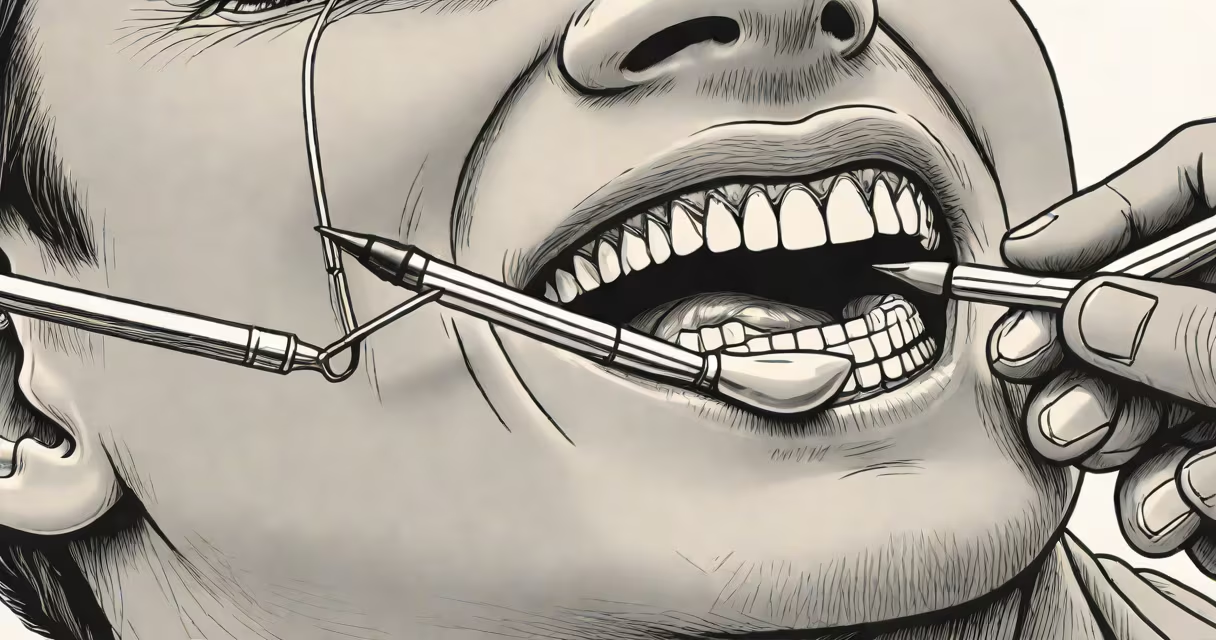
Pain after a dental filling typically results from inflammation of the pulp tissue inside the tooth, pressure from the filling material, or sensitivity to temperature and touch. Most cases resolve within 2-4 days, but persistent or worsening pain may indicate complications.
Dental fillings repair decayed areas in teeth using materials like composite resin or amalgam. During placement, the dentist removes decayed tissue, cleans the cavity, and fills it. This process can irritate the nerve inside the tooth, especially if the decay was close to the pulp. The resulting pain often feels sharp, throbbing, or sensitive to biting pressure.
The American Dental Association (ADA) notes that mild discomfort after a filling is expected and affects up to 60% of patients. Pain usually peaks within 24 hours and fades over 3-5 days. If pain lasts longer than a week or worsens, it may signal an underlying issue such as a high filling, infection, or nerve damage.
When a cavity reaches near the pulp-the innermost layer containing nerves and blood vessels-the tooth becomes more sensitive. Even minor procedures like drilling can trigger inflammation. The body responds by increasing blood flow and releasing chemicals that heighten pain perception. This is normal but can cause temporary discomfort lasting up to five days.
Fillings placed too high on the tooth can alter bite alignment. When you chew, the filled tooth hits the opposing tooth earlier than others, creating pressure. This leads to localized soreness, especially during biting or chewing. A 2021 study in the Journal of Clinical Dentistry found that 18% of patients reported bite-related pain after composite fillings, most resolving after adjustment.
Some materials cause thermal sensitivity. Composite resins expand slightly when exposed to hot or cold liquids. This movement can irritate the nerve, causing brief sharp pain. Amalgam fillings, though less prone to expansion, may conduct temperature changes more readily due to metal content.
Fillings differ in composition and behavior. The choice affects recovery time and likelihood of post-procedure pain.
| Type | Material | Recovery Time | Pain Risk |
|---|---|---|---|
| Composite | Resin-based, tooth-colored | 2-5 days | High (due to shrinkage and sensitivity) |
| Amalgam | Mercury-alloy blend, silver-gray | 3-7 days | Moderate (thermal conductivity) |
| GIC | Glass ionomer cement, used in children | 1-3 days | Low (slow setting, minimal shrinkage) |
Composite fillings are popular for their aesthetics but shrink slightly as they harden. This contraction can pull away from the tooth wall, creating microgaps that allow fluid movement and nerve irritation. The ADA reports that 25% of composite fillings show some degree of postoperative sensitivity, most resolving within a week.
Amalgam fillings are durable and less expensive. They conduct heat and cold efficiently, which can cause sudden pain when drinking hot or cold beverages. However, they don't shrink, reducing the risk of microleakage. According to the National Institute of Dental and Craniofacial Research (NIDCR), amalgam fillings have a 10-year success rate above 90%.
Pain that persists beyond seven days, intensifies over time, or occurs without stimulus may indicate a problem. A high filling is common and correctable. If you feel like the tooth is "hitting too soon" when biting, contact your dentist. A simple adjustment with a dental file resolves most issues within minutes.
Severe, spontaneous pain-especially at night-is a red flag. This suggests irreversible pulpitis, where the nerve is inflamed beyond recovery. Untreated, it can progress to an abscess. The NIDCR states that untreated pulpitis leads to infection in 30% of cases within six months.
Another rare but serious issue is a cracked tooth. A filling can sometimes mask a crack, allowing bacteria to enter and cause deep pain. If pain returns after initial relief, especially with chewing, imaging like a cone-beam CT scan may be needed. Early detection prevents root canal treatment.
For mild pain, over-the-counter NSAIDs like ibuprofen reduce inflammation and ease discomfort. Take 200 mg every 6 hours as directed. Avoid chewing on the side of the filling until numbness wears off. Cold compresses applied externally can reduce swelling.
Use desensitizing toothpaste like Sensodyne Repair & Protect. Apply it twice daily for two weeks. The active ingredient, potassium nitrate, blocks nerve signals. A 2019 clinical trial showed a 65% reduction in sensitivity after 14 days of use.
I experienced this firsthand while getting a composite filling on a molar. The pain spiked when I bit down. My dentist adjusted the height in under five minutes. The discomfort vanished within 24 hours. The key lesson: don't wait. If something feels off, speak up.
If pain continues past a week, see your dentist. They may remove and replace the filling, perform a pulp test, or refer you to an endodontist. Delaying care increases the risk of needing a root canal.
After a filling, follow-up care includes gentle brushing, flossing around the area, and avoiding sticky or hard foods. Maintain regular dental visits to monitor healing. Most patients recover fully without intervention.
While temporary discomfort is expected, ongoing pain requires attention. Knowing the signs helps you distinguish normal recovery from potential complications. If in doubt, consult your dentist promptly.
Understanding why your mouth hurts after a filling reduces anxiety and supports timely care. Most cases resolve quickly with simple steps. Persistent pain demands professional evaluation to prevent further damage.