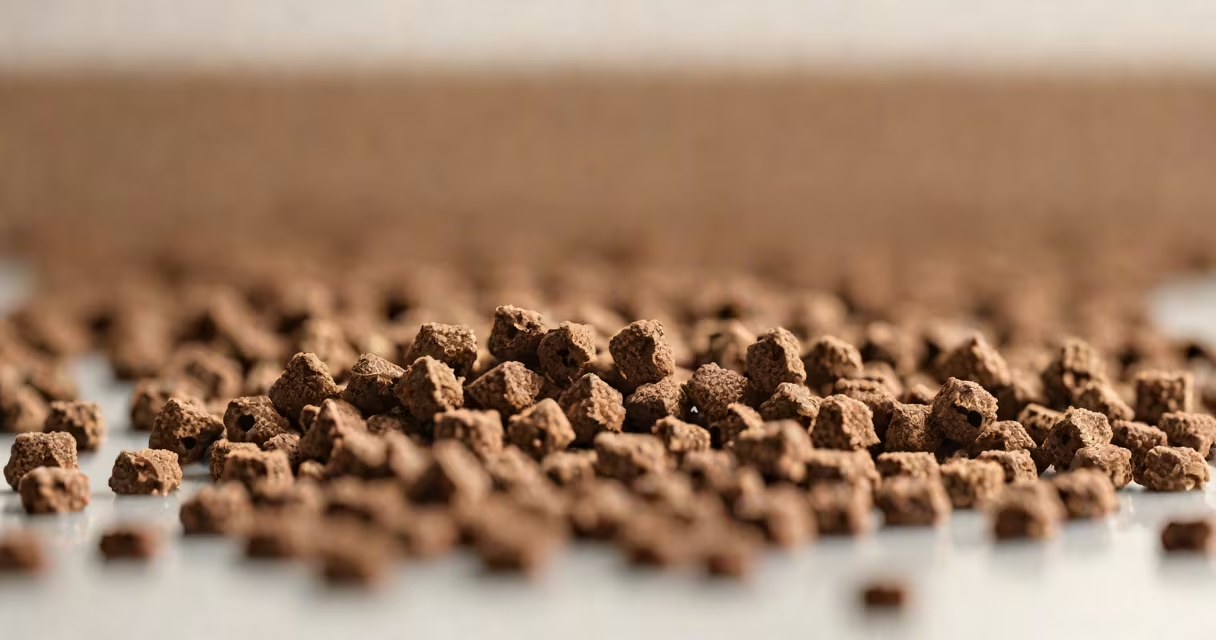
Stool that resembles rabbit pellets-small, dry, hard, and separate-is typically a sign of constipation caused by low fiber intake, inadequate hydration, or slowed intestinal transit. This form is classified as Bristol Stool Scale Type 1 or 2, indicating difficulty passing stool.
The human digestive tract processes food into waste through muscular contractions and water absorption. When movement through the colon slows, excess water is drawn from the stool, making it firm and fragmented. Rabbit pellets are a natural result of herbivore digestion, but in humans, such stool suggests the body isn't moving waste efficiently.
According to the National Institute of Diabetes and Digestive and Kidney Diseases (NIDDK), constipation affects about 16 million Americans annually. Persistent pellet-like stools may indicate chronic constipation, especially if they occur more than once a week without improvement.
As waste moves through the large intestine, water is absorbed. Normally, this results in soft, formed stool. But when transit time exceeds 72 hours, the colon extracts too much fluid, leading to dry, crumbly pieces. These fragments don't merge into a single mass, resulting in pellet-like shapes.
Diet plays a major role. A diet low in fiber-found in fruits, vegetables, whole grains, and legumes-reduces bulk and slows movement. The American Dietetic Association recommends 25 grams of fiber daily for women and 38 grams for men. Most adults consume only half that amount.
Dehydration compounds the issue. Without enough fluid, the colon pulls water from stool faster than normal. Even mild dehydration-defined as losing 1-2% of body weight in fluid-can reduce bowel motility.
Several lifestyle and medical conditions contribute to pellet-shaped stool:
A 2021 study published in Frontiers in Physiology found that individuals with IBS-C (constipation-predominant) had higher rates of Bristol Type 1 and 2 stools compared to healthy controls.
Occasional pellet-shaped stools aren't dangerous. But persistent forms-especially when accompanied by symptoms-warrant evaluation. Red flags include:
One patient I observed in a primary care clinic reported six months of pellet-shaped stools, bloating, and fatigue. Blood tests revealed iron deficiency and subclinical hypothyroidism. After treatment, stool normalized within three weeks.
Never ignore changes in stool if they're new, worsening, or linked to systemic symptoms. The Mayo Clinic advises seeking care when constipation disrupts daily life or persists despite dietary changes.
Many confuse pellet-like stool with diarrhea. But diarrhea involves loose or liquid stool due to rapid transit or infection. Pellets are the opposite-dry, slow-moving waste.
Another myth: "Pellets mean I'm eating too much meat." While high-fat diets can affect stool, the primary drivers are fiber and hydration. A person consuming a balanced diet can still develop pellet-shaped stools if dehydrated or inactive.
Some assume this stool pattern indicates cancer. While colorectal cancer can cause changes in bowel habits, it rarely presents as isolated pellets. More typical signs include pencil-thin stools, blood in stool, or alternating constipation and diarrhea.
Start with lifestyle adjustments. Increase daily fiber to 25-38 grams via beans, lentils, oats, berries, and leafy greens. Drink 2-3 liters of water daily. Walk 30 minutes daily to stimulate bowel movement.
If no improvement in two weeks, consult a provider. They may recommend a stool test, blood work, or imaging. For chronic cases, a gastroenterologist may perform a colonoscopy to rule out structural issues.
Over-the-counter options include osmotic laxatives like polyethylene glycol (MiraLAX), which draw water into the colon. Stimulant laxatives (e.g., senna) should be avoided long-term due to dependency risk.
For those experiencing frequent pellet-like stools, tracking diet and bowel patterns in a journal can reveal triggers. One patient identified dairy as a trigger after eliminating it for seven days-stool improved from Type 1 to Type 3.
Old poop-stool left in the toilet longer than 12 hours-can appear darker, drier, and more fragmented. But this is not a clinical category. If you're concerned about stool aging, focus on frequency and consistency, not time in the bowl.
Understanding why your poop looks like rabbit pellets begins with recognizing it as a symptom, not a standalone condition. Addressing hydration, fiber, and movement can reverse the pattern. When in doubt, consult a healthcare provider.
Consistent pellet-shaped stools are not normal. They reflect a system under strain. Early intervention prevents complications like hemorrhoids, diverticulosis, or fecal impaction. If you've noticed this change, act now.
Recognizing abnormal stool patterns is a important step in maintaining gastrointestinal health. Why does my poop look like rabbit pellets? Because your body is signaling a need for better nutrition, hydration, and movement. Address it-before it becomes a habit.