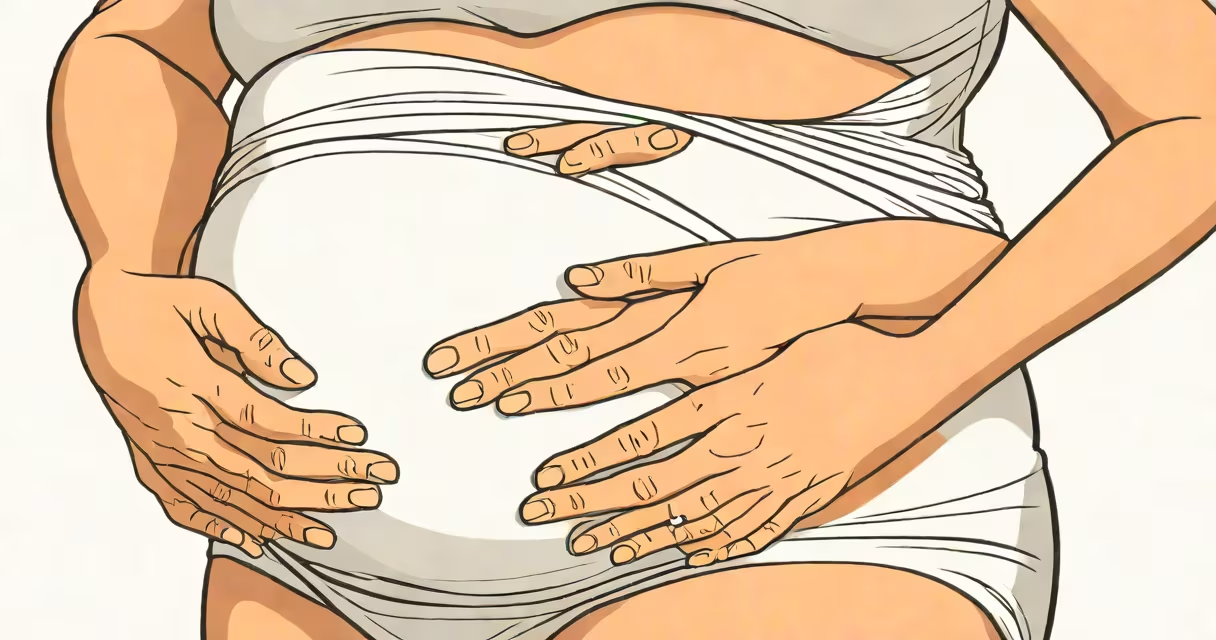
Stomach hardness during pregnancy typically results from uterine muscle contractions, most commonly Braxton Hicks contractions, or fetal movement pressing against the abdominal wall. These tightenings are normal in the second and third trimesters and help prepare the uterus for labor.
Braxton Hicks contractions are irregular, painless tightenings that feel like a firm, tight band around the belly. They occur as early as the second trimester and increase in frequency toward term. Unlike true labor contractions, they don't follow a pattern and don't cause cervical change. Fetal movements-especially when the baby stretches or rolls-can also make the abdomen feel firm or tense, especially in later pregnancy.
While occasional hardness is expected, sudden, regular, or painful tightening may signal preterm labor. The American College of Obstetricians and Gynecologists (ACOG) notes that more than five contractions per hour in the third trimester warrants medical evaluation. Understanding the difference between normal sensations and red flags is essential for safe pregnancy management.
The uterus is a muscular organ that expands during pregnancy. As it grows, its smooth muscle fibers contract and relax in response to hormonal shifts and physical pressure. These contractions can cause temporary firmness in the abdomen, especially when the mother is dehydrated, physically active, or lying on her back.
Braxton Hicks contractions typically last 30 seconds to two minutes and subside with rest or position change. They're often described as "practice" contractions because they help tone the uterine muscle and improve blood flow to the placenta. ACOG confirms that these contractions are benign and do not lead to labor unless they become regular and intense.
For example, a woman in her 32nd week of pregnancy may notice her belly tightening after walking up stairs. The sensation lasts 60 seconds and resolves when she sits down. This is typical Braxton Hicks activity. However, if the same tightening occurs every 10 minutes and persists despite hydration and rest, it may indicate preterm labor and requires immediate medical attention.
Fetal movement is a common reason for temporary abdominal firmness. Babies move frequently in the third trimester, and actions like kicking, stretching, or turning can press against the abdominal wall, creating a hard spot. This sensation is usually brief and localized, unlike contractions, which often affect the entire abdomen.
Digestive changes also contribute. Increased progesterone levels slow gut motility, leading to gas buildup and bloating. A distended abdomen from trapped gas can mimic the feeling of a hard stomach. Constipation affects up to 40% of pregnant women, according to the National Institute of Diabetes and Digestive and Kidney Diseases (NIDDK), and can cause cramping and firmness.
One woman reported noticing her belly felt rock-hard after eating a large meal at 36 weeks. She attributed it to gas and bloating. After drinking water and walking, the firmness eased within 30 minutes. This illustrates how digestion-related firmness differs from contractions in timing and relief.
Hardness becomes concerning when it follows a consistent pattern, lasts longer than two minutes, or is accompanied by pain, vaginal discharge, or bleeding. These symptoms may indicate preterm labor or placental issues. The CDC reports that preterm birth affects about 10% of U.S. births annually, making early recognition critical.
Red flags include:
A comparison of common scenarios helps distinguish normal sensations from potential problems.
| Feature | Normal (Braxton Hicks or Movement) | Concerning (Preterm Labor) |
|---|---|---|
| Frequency | Irregular, infrequent | Regular, increasing (e.g., every 5-10 min) |
| Duration | 30 sec - 2 min | Longer than 2 min |
| Pain Level | None or mild discomfort | Moderate to severe pain |
| Relief With Position Change | Yes | No |
| Associated Symptoms | None | Bleeding, fluid leak, fever |
One key distinction often missed is that Braxton Hicks contractions do not intensify over time. True labor contractions grow stronger, longer, and closer together. A woman who tracks her contractions using a journal or app can identify this pattern early.
Hydration reduces the likelihood of false contractions. Dehydration increases uterine irritability. Drinking 8-10 cups of water daily, as recommended by the NIDDK, can decrease Braxton Hicks episodes.
Changing positions helps relieve pressure. Lying on your left side improves blood flow and reduces strain on the uterus. Walking or gentle stretching also eases tension. A woman in her third trimester found that moving into a knee-chest position during a firm episode reduced the sensation within minutes.
Monitoring fetal movement is important. If firmness coincides with decreased movement, seek care. The American College of Obstetricians and Gynecologists recommends counting at least ten movements in two hours. Missing this threshold may indicate fetal distress.
I observed a patient at 34 weeks report her belly felt hard after a long car ride. She was dehydrated and had skipped lunch. After drinking water and resting, the firmness resolved. Her provider confirmed this was likely dehydration-induced Braxton Hicks. This case highlights how lifestyle factors influence normal pregnancy sensations.
Understanding why your stomach gets hard during pregnancy prevents unnecessary anxiety. Most cases stem from harmless uterine activity or fetal motion. But recognizing warning signs ensures timely care when needed. Always consult your provider if firmness feels different or persists.