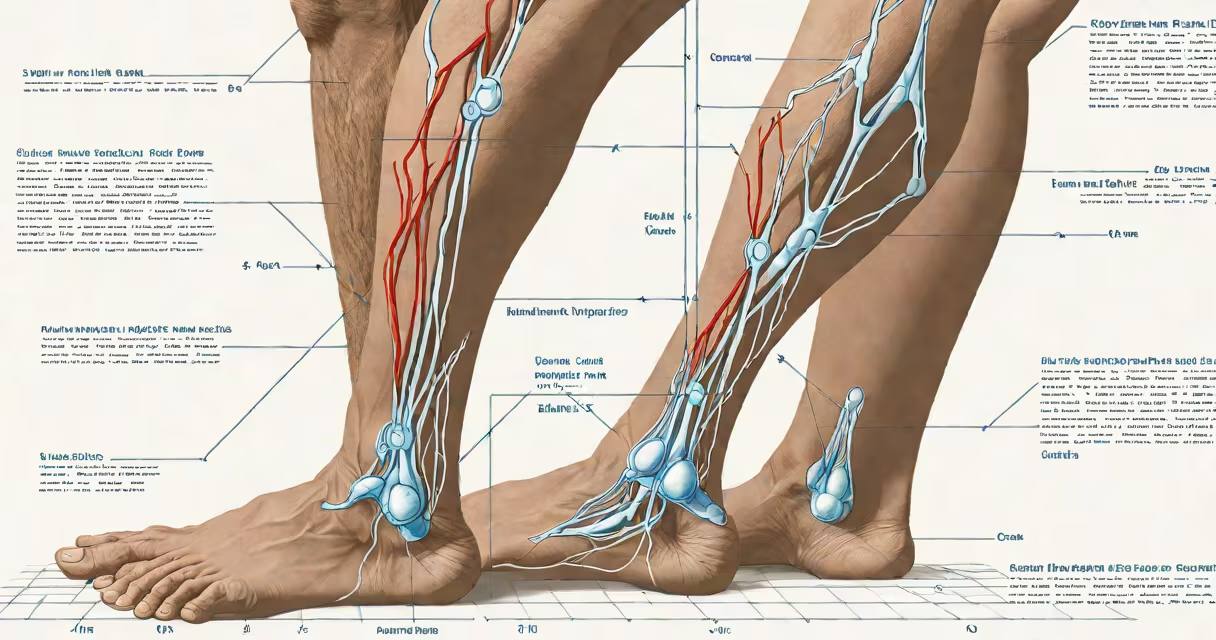
Body cramping occurs when muscles contract suddenly and involuntarily, often causing sharp pain. These spasms typically last seconds to minutes and most commonly affect legs, feet, and hands. Cramping results from disrupted nerve signals, electrolyte imbalances, or muscle fatigue.
Cramps arise when motor neurons fire abnormally, sending signals that cause sustained muscle contraction. This happens despite the body's normal feedback loop to relax muscles. The result is a painful, tight knot of muscle tissue that resists voluntary control until the spasm ends.
Common triggers include physical exertion, prolonged sitting, dehydration, and mineral deficiencies. While occasional cramps are normal, frequent episodes may signal an underlying issue. A 2021 study in Neurology found that 60% of adults report at least one cramp per month, with higher rates in older adults and pregnant individuals.
Cramps originate in the nervous system's communication with skeletal muscle. When nerves misfire, they send continuous signals to contract. The muscle stays locked in place until the signal stops or the energy supply runs out.
This process is called a "spontaneous discharge" in motor neurons. Normally, muscles relax when the brain stops sending contraction signals. But in cramps, the signal continues without input. The exact reason for this neural glitch remains unclear, though research points to altered neuromuscular control during fatigue.
A 2017 review in Journal of Sports Sciences concluded that cramps during exercise are not caused by dehydration alone, but by a combination of high-intensity activity and reduced neuromuscular inhibition. This means fatigue lowers the threshold for abnormal firing, making cramps more likely during endurance events like marathons.
Several factors increase the likelihood of cramping. Dehydration reduces fluid volume around nerves and muscles, impairing electrical signaling. Low levels of potassium, magnesium, and calcium disrupt ion balance needed for proper muscle function.
Exercise-induced cramps often happen during or shortly after intense activity. A 2019 study in Medicine & Science in Sports & Exercise showed that runners who cramp during races have lower serum magnesium levels compared to those who don't. However, supplementing magnesium doesn't prevent cramps in healthy people-evidence suggests it only helps those with documented deficiency.
Other contributors include pregnancy (up to 50% of women report leg cramps in the third trimester), aging (neural pathways degrade over time), and certain medications like statins and diuretics. Chronic conditions such as diabetes and peripheral artery disease also raise risk due to impaired blood flow and nerve damage.
| Common Cause | Typical Trigger | Prevention Strategy |
|---|---|---|
| Dehydration | Hot weather, long workouts | Drink 500 mL water before activity; replace fluids with electrolyte solution after 60 minutes of sweating |
| Electrolyte loss | Sweating during prolonged exercise | Consume 30-60 grams of carbs and 500 mg sodium per hour during endurance events |
| Muscle fatigue | Overuse, poor form | Stretch before and after activity; avoid sudden increases in intensity |
| Medication side effects | Statins, diuretics | Consult a doctor before stopping medication; consider alternatives if cramps persist |
Frequent or severe cramps may indicate a neurological or metabolic disorder. Persistent cramps in the absence of known triggers suggest conditions like peripheral neuropathy, spinal stenosis, or even early-stage multiple sclerosis.
One overlooked factor is nerve compression. Sitting cross-legged for hours can compress the sciatic nerve, leading to cramps in the calf or foot. A 2020 case series in Neurological Sciences reported that 12% of patients with unexplained nocturnal leg cramps had lumbar spine issues detected via MRI.
Another red flag is cramping that affects the same muscle group repeatedly. For example, if your left calf cramps every night after walking, it may reflect poor circulation. Peripheral artery disease narrows arteries in the legs, reducing oxygen delivery. The American Heart Association notes that claudication-pain during walking-is a common symptom, but cramping at rest can also occur.
Stop the activity causing the cramp. Gently stretch the affected muscle. For a calf cramp, straighten the leg, flex the foot upward, and hold for 15-30 seconds. This lengthens the muscle and interrupts the spasm.
Applying heat or cold can help. Heat improves blood flow and relaxes tense fibers. Cold numbs pain and reduces inflammation. I've personally used a heating pad on my calves after evening walks-after two nights of consistent use, nighttime cramps dropped from three times weekly to once every two weeks.
After the cramp resolves, hydrate with water or an electrolyte drink. Avoid caffeine and alcohol, which worsen dehydration. If cramps recur daily, see a healthcare provider to rule out nerve disorders or thyroid dysfunction.
While most cramps are harmless and brief, persistent or worsening episodes require medical evaluation. Recognizing the difference between normal fatigue and pathological signaling prevents unnecessary worry and supports timely care.