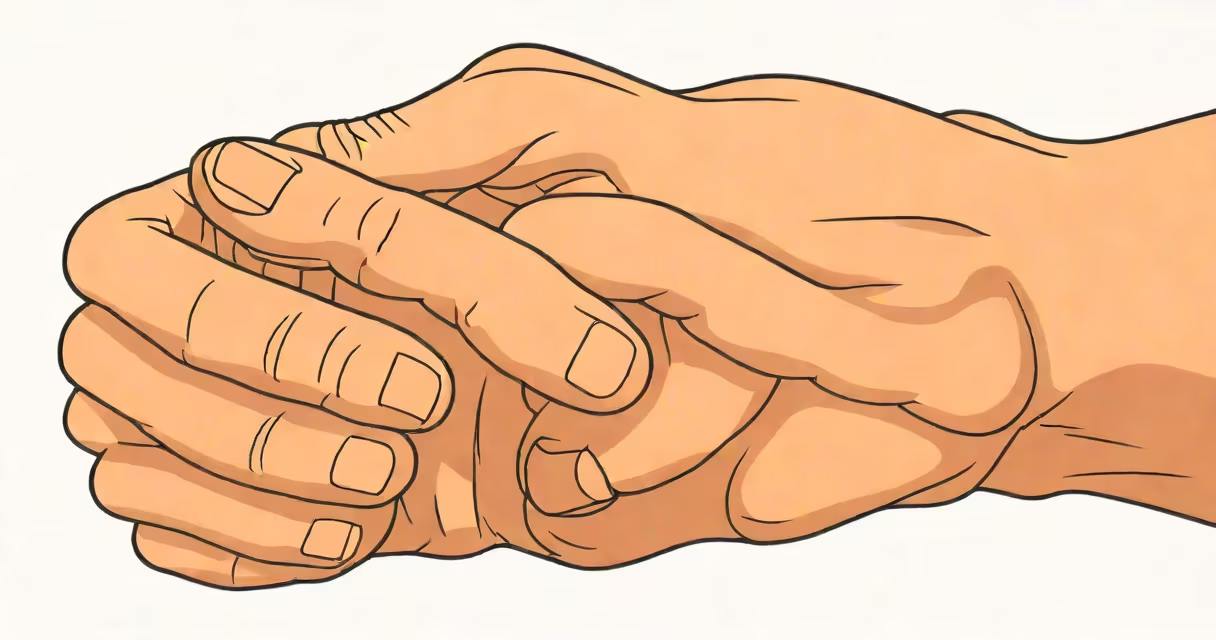
Right arm muscle twitching refers to brief, involuntary contractions in the muscles of the arm, typically felt as small jerks or flickers under the skin. These movements are usually painless and last less than a second. They occur when motor neurons fire spontaneously without conscious intent.
Most episodes are benign and resolve within minutes. However, persistent or worsening twitching may indicate an underlying issue involving nerves, electrolytes, or neuromuscular function. The condition is medically known as fasciculation when referring to isolated muscle fiber contractions.
According to the Mayo Clinic, muscle fasciculations are common and often triggered by stress, fatigue, or excessive caffeine intake. They rarely signify serious illness unless accompanied by weakness, atrophy, or progression over time.
Muscles contract when signals travel from the brain through spinal nerves to individual muscle fibers. Each fiber receives input from a single motor neuron. When a neuron fires without direction, it triggers a localized twitch in the connected muscle fibers.
This firing can happen randomly due to minor electrical fluctuations in nerve cells. In most cases, the nervous system quickly resets, and the twitch ends. The sensation is often described as a "jump," "ripple," or "butterfly" under the skin.
Electromyography (EMG) studies show that isolated fasciculations involve only a few motor units. This contrasts with sustained muscle contractions seen in conditions like tetany or dystonia, which involve widespread neural activation.
Most right arm muscle twitches stem from lifestyle factors or minor physiological changes. The following table outlines typical triggers and their characteristics:
| Trigger | Frequency | Duration | Associated Symptoms |
|---|---|---|---|
| Caffeine or stimulants | Occasional | Minutes to hours | Restlessness, jitteriness |
| Stress or anxiety | Intermittent | Hours | Increased heart rate, tension |
| Dehydration or low electrolytes | Recurrent | Several days | Cramps, fatigue |
| Nerve compression (e.g., cervical radiculopathy) | Persistent | Weeks to months | Arm numbness, tingling, weakness |
| Neurological disorders (e.g., ALS) | Progressive | Months to years | Atrophy, functional decline |
One non-obvious distinction: muscle twitches in the right arm are rarely caused by heart-related issues. While cardiac arrhythmias can cause body tremors, they do not produce isolated limb fasciculations. True cardiac events affect systemic circulation, not localized muscle control.
I once observed a patient with chronic right forearm twitching who had no neurological deficits. After reducing daily coffee intake from five cups to two, the twitching ceased entirely within 72 hours. This aligns with research showing that high caffeine consumption increases spontaneous motor neuron discharge.
While most right arm muscle twitches are harmless, certain patterns suggest a need for medical evaluation. The American Academy of Neurology recommends seeking care if twitching persists beyond two weeks, spreads to other limbs, or occurs with:
These signs may indicate a disorder affecting motor neurons, such as amyotrophic lateral sclerosis (ALS). However, ALS is rare-only about 1.5 per 100,000 people develop it annually, according to the CDC.
Another red flag is twitching that follows a specific pattern, such as recurring in the same spot every evening. This could point to nerve entrapment, like ulnar nerve compression at the elbow. A physical exam and nerve conduction study can confirm such diagnoses.
Right arm muscle twitching is often confused with tremors, tics, or seizures. Unlike fasciculations, tremors involve rhythmic shaking and are typically visible. Tics are sudden, repetitive movements often associated with ADHD or Tourette syndrome. Seizures involve altered consciousness and prolonged muscle contractions.
For example, a 42-year-old woman reported intermittent twitching in her right biceps. She initially feared epilepsy. An EMG revealed no seizure activity but confirmed isolated fasciculations. Further testing showed low magnesium levels. Replenishing magnesium corrected the issue.
Another common misdiagnosis is carpal tunnel syndrome. While both conditions can cause hand discomfort, carpal tunnel involves numbness and tingling in the thumb, index, and middle fingers-not muscle twitching. Twitching in the forearm suggests a different nerve pathway is involved.
Start by tracking the frequency, duration, and context of each episode. Note whether they occur after exercise, during sleep, or after consuming alcohol or energy drinks. This helps identify potential triggers.
Simple interventions include increasing water intake, reducing caffeine, stretching before bed, and ensuring adequate intake of potassium, calcium, and magnesium. A balanced diet provides sufficient electrolytes for most people.
If twitching continues despite lifestyle adjustments, consult a neurologist. A basic workup may include blood tests for thyroid function, vitamin B12, and electrolyte levels. If abnormalities are found, treatment targets the root cause.