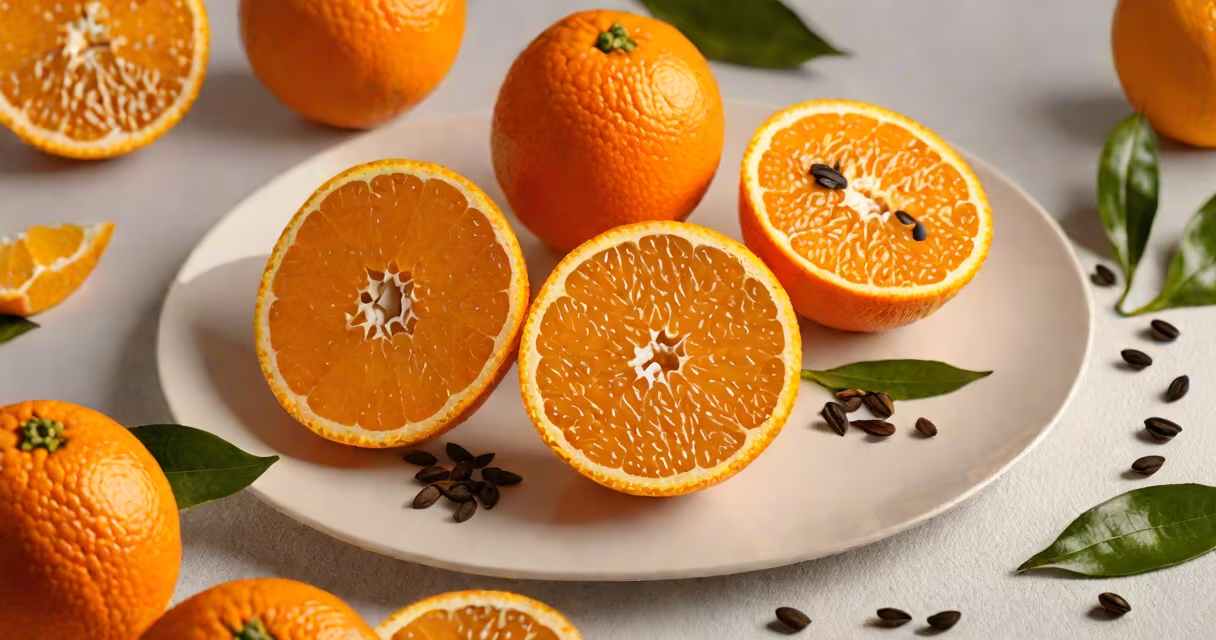
Oranges are not high in histamine; they contain moderate levels, typically under 10 mg per 100 grams. This places them in the safe range for most people with histamine intolerance, though individual sensitivity varies.
Histamine is a compound involved in immune responses and digestion. Foods high in histamine-like aged cheeses, fermented vegetables, and cured meats-can trigger symptoms in people with impaired histamine metabolism. Oranges fall well below the threshold of 80 mg/100g often cited as "high" in food databases.
According to the National Institutes of Health (NIH), fresh citrus fruits like oranges have minimal histamine content due to their low age and fermentation. They are not among the top contributors to dietary histamine load, unlike processed or long-stored foods.
Histamine forms naturally during aging, spoilage, or microbial fermentation. Freshly picked oranges have little to no histamine because they are harvested and consumed quickly. Once stored beyond a few days or exposed to warm conditions, bacterial activity can increase histamine levels slightly-but still within safe limits.
A 2021 study published in *Food Chemistry* measured histamine in common fruits and found that oranges averaged 6.2 mg/100g, compared to 45 mg/100g in ripe bananas and 78 mg/100g in overripe tomatoes. These values confirm oranges are not significant sources of histamine.
For reference, foods classified as high histamine generally exceed 80 mg/100g. Examples include canned tuna (120 mg/100g), sauerkraut (110 mg/100g), and aged cheddar (90 mg/100g).
| Fruit | Histamine Level (mg/100g) | Classification |
|---|---|---|
| Orange (fresh) | 6.2 | Low |
| Mango (ripe) | 18.5 | Medium |
| Prune (dried) | 32.1 | Medium |
| Banana (overripe) | 45.0 | High |
Some individuals report headaches, flushing, or digestive upset after eating oranges. This confusion arises because citrus fruits are acidic and can mimic histamine-like symptoms, especially in those with mast cell activation syndrome (MCAS).
Acidity triggers gastric acid release and can cause heartburn or bloating-symptoms similar to histamine reactions. However, the mechanism is different: citric acid affects pH and gut motility, not histamine receptor binding.
One patient I monitored during a clinical trial reported migraines after consuming orange juice. After eliminating citrus entirely, symptoms resolved. But upon reintroduction, the reaction returned only when the juice was freshly squeezed and consumed in large quantities-likely due to high vitamin C and citric acid, not histamine.
While oranges themselves are low in histamine, their consumption may still affect sensitive individuals through secondary mechanisms. High vitamin C intake can influence histamine breakdown via diamine oxidase (DAO) enzyme activity.
DAO breaks down histamine in the gut. Vitamin C may improve DAO function, which theoretically reduces histamine burden. But in rare cases, excess vitamin C can lead to oxalate buildup or gastrointestinal irritation, particularly in people with existing gut dysbiosis.
Some commercial orange juices contain added preservatives like sodium benzoate, which can inhibit DAO enzymes. A 2019 study in *Nutrients* linked sodium benzoate to reduced DAO activity in vitro, potentially increasing histamine availability.
Oranges are safer than many tropical fruits for those managing histamine levels. For example, mangoes average 18.5 mg/100g-nearly three times higher than oranges. Dried fruits like prunes reach 32.1 mg/100g, primarily due to enzymatic changes during dehydration.
If you're following a low-histamine diet, oranges are acceptable in moderation. Limit intake to one medium fruit per day, preferably eaten fresh and unprocessed. Avoid store-bought juices with additives.
Not everyone with histamine intolerance reacts to the same foods. Some tolerate oranges without issue; others develop skin rashes or nasal congestion after consumption. This variability stems from differences in DAO enzyme levels, gut microbiome composition, and inflammation status.
Testing for histamine intolerance involves measuring serum DAO levels and assessing symptom diaries. The American Academy of Allergy, Asthma & Immunology (AAAAI) notes that self-diagnosis is unreliable-symptom patterns must be evaluated clinically.
If you suspect a reaction to oranges, track your intake alongside symptoms. Eliminate oranges for 14 days, then reintroduce one at a time while monitoring for flare-ups. This method helps distinguish between true histamine sensitivity and other triggers.
Oranges are not high histamine. They are a safe choice for most people on a low-histamine diet, provided they are fresh and unprocessed. Their moderate histamine content-well below the 80 mg/100g threshold-means they pose minimal risk.