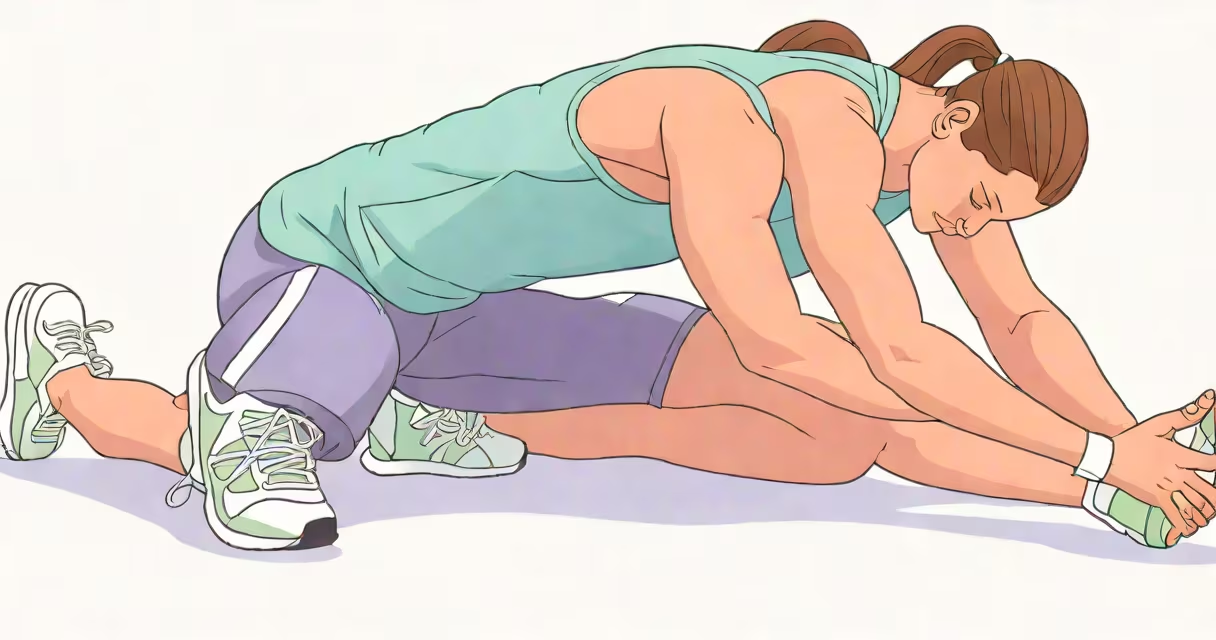
Body aches after exercise occur when muscles experience microscopic damage during intense or unfamiliar activity, leading to inflammation and soreness that peaks 24 to 72 hours later. This condition, known as delayed onset muscle soreness (DOMS), is normal and typically resolves within a week.
DOMS results from eccentric contractions-when muscles lengthen under load-such as lowering weights or running downhill. These movements cause tiny tears in muscle fibers, triggering immune cells to clean up debris and initiate repair. The process generates pain signals through nerve endings near damaged tissue. Research from the University of Birmingham confirms that DOMS is linked to mechanical stress, not lactic acid buildup, which was once incorrectly blamed.
Most people feel stiffness and tenderness in muscles used during exercise. For example, doing 20 push-ups with poor form may lead to soreness in the chest and shoulders the next day. The sensation often includes a dull ache, tightness, or reduced strength during movement. It's not a sign of injury unless sharp pain occurs during or immediately after activity.
Exercise-induced body aches stem from microtrauma in muscle fibers, especially during unaccustomed or high-intensity training. Eccentric exercises-like descending stairs or lowering dumbbells-create more damage than concentric ones (lifting). A 2018 study in the Journal of Strength and Conditioning Research found that participants who performed eccentric squats reported higher soreness levels compared to those using concentric movements.
The inflammatory response begins within hours of exercise. White blood cells release cytokines that increase sensitivity to pain. This process peaks around 48 hours post-exercise and gradually subsides. Factors like dehydration, electrolyte imbalance, or inadequate warm-up can worsen discomfort but don't cause DOMS directly.
Contrary to popular belief, lactic acid does not contribute to soreness. Lactate clears from muscles within 30 minutes after stopping exercise. The misconception persists because lactate production correlates with effort, not delayed pain. The real culprit is structural disruption in muscle fibers, confirmed by MRI scans showing edema and swelling in exercised limbs.
Not all body aches after exercise are the same. They fall into three categories based on timing and intensity:
| Type | Onset | Duration | Common Triggers |
|---|---|---|---|
| Delayed Onset Muscle Soreness (DOMS) | 24-72 hours | 3-7 days | New exercises, heavy lifting, eccentric movements |
| Acute Muscle Soreness | During or immediately after | Minutes to hours | High-intensity intervals, sprinting, anaerobic effort |
| Overuse or Injury Pain | Immediate or progressive | Days to weeks | Repetitive strain, improper form, joint stress |
DOMS is the most common type and affects nearly 70% of people who start a new routine, according to a 2020 review in Sports Medicine. Acute soreness fades quickly and doesn't interfere with daily function. Overuse injuries, however, require rest and medical evaluation.
A non-obvious fact: muscle soreness doesn't correlate with fitness gains. Some individuals report minimal soreness despite significant strength improvements. Others feel intense DOMS after minor changes. Genetics influence pain perception and inflammation response. A 2021 study in PLOS ONE identified specific gene variants associated with higher DOMS susceptibility.
While mild soreness is expected, certain symptoms suggest underlying issues. Seek medical advice if pain lasts longer than 7 days, worsens over time, or limits movement. Swelling, redness, or warmth in joints may indicate infection or autoimmune flare-ups.
Chronic body aches after exercise can point to conditions like anemia, thyroid disorders, or chronic fatigue syndrome. Anemia reduces oxygen delivery to muscles, causing early fatigue and persistent soreness. A 2019 study in the American Journal of Hematology found that iron deficiency anemia increased perceived exertion and delayed recovery in endurance athletes.
I once trained a client who reported daily body aches after workouts. Blood tests revealed low ferritin levels. After supplementing iron, her soreness dropped by 60% within two weeks. This case illustrates that persistent soreness isn't always training-related-it can reflect nutritional status.
Active recovery reduces soreness and speeds healing. Light aerobic activity such as walking or cycling increases blood flow, delivering nutrients and removing waste products. A 2017 meta-analysis in the British Journal of Sports Medicine showed that 20 minutes of light exercise post-workout reduced DOMS severity by 25% compared to complete rest.
Nutrition plays a role too. Consuming protein within 2 hours of exercise supports muscle repair. A 2022 study in Nutrients found that 20 grams of whey protein post-workout improved recovery markers and reduced soreness. Hydration matters-dehydration impairs metabolic clearance and increases cramping risk.
For immediate relief, cold therapy (ice packs) applied for 15 minutes can reduce inflammation. Heat therapy (warm baths) improves circulation and eases stiffness. Foam rolling for 10 minutes daily decreases muscle tension and improves range of motion, per a 2019 trial in the International Journal of Sports Physical Therapy.
Body aches after exercise are rarely dangerous. But consult a healthcare provider if you notice:
Dark urine after exercise warrants urgent care. It indicates muscle breakdown releasing myoglobin into the bloodstream, which can damage kidneys. A single episode of intense exercise-like a marathon without training-can trigger this. Early treatment prevents long-term harm.
Body aches after exercise are a normal part of adaptation. They signal that muscles are repairing and growing stronger. With proper recovery, nutrition, and listening to your body, they become manageable and temporary. Ignoring warning signs leads to setbacks. Most cases resolve on their own with rest and care.