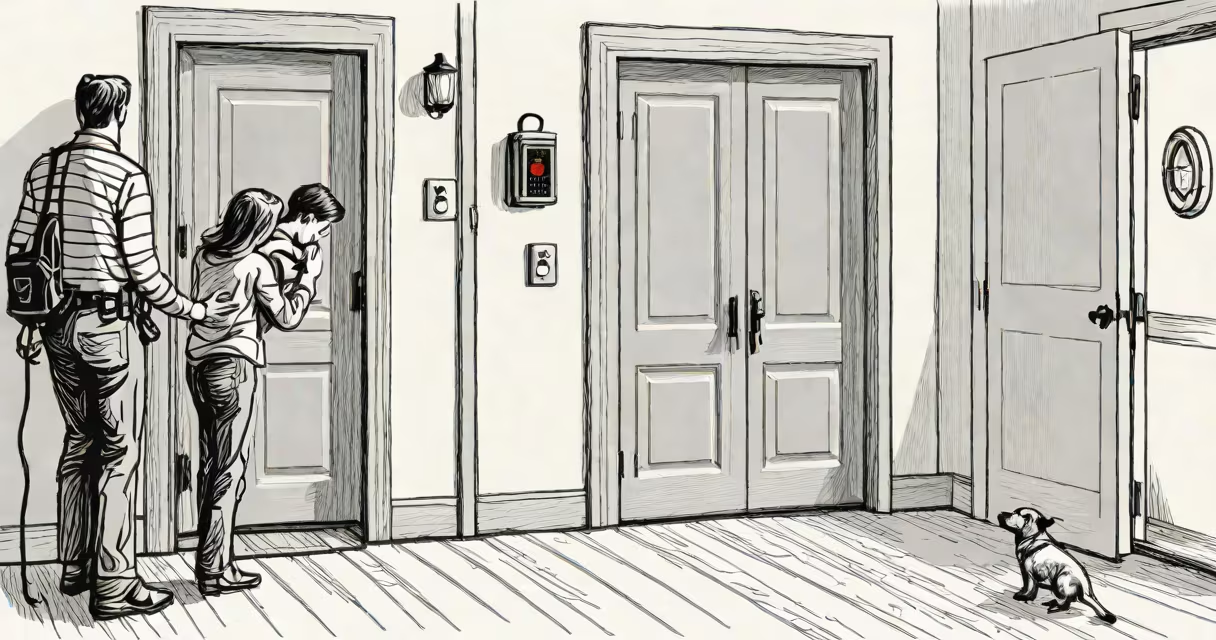
If your carbon monoxide alarm sounds, leave the building immediately, move to fresh air outdoors, and call 911. Do not re-enter until emergency responders confirm it's safe. Carbon monoxide is odorless, colorless, and deadly-this alarm is your only warning.
Carbon monoxide (CO) is a gas produced by incomplete combustion in fuel-burning devices such as furnaces, water heaters, stoves, and generators. It binds to hemoglobin in blood more efficiently than oxygen, reducing oxygen delivery to tissues. At high levels, it causes rapid poisoning, leading to unconsciousness or death within minutes. The alarm activates when CO concentration exceeds 70 parts per million (ppm) over 30 minutes, according to the National Fire Protection Association (NFPA).
Alarms detect CO using electrochemical sensors. These sensors measure changes in electrical current caused by CO molecules reacting with a chemical solution. When CO levels rise above the threshold, the alarm triggers a loud, steady beep (typically 50-85 decibels) to alert occupants. The sound pattern differs from smoke alarms-continuous tone, not chirps or intervals.
| Alarm Sound | Meaning | Required Action |
|---|---|---|
| Continuous beep (every 60 seconds) | CO detected | Evacuate immediately, call 911 |
| Chirp every 30 seconds | Battery low | Replace battery within 7 days |
| Beep every 4 minutes | End-of-life signal | Replace unit within 12 months |
Do not assume the alarm is false. Carbon monoxide is invisible and undetectable by human senses. A single exposure to 100 ppm can cause headaches and dizziness within 1-2 hours. At 400 ppm, confusion and loss of coordination occur in 30-60 minutes. The Centers for Disease Control and Prevention (CDC) reports that over 400 people die annually in the U.S. from unintentional CO poisoning, with most cases linked to faulty heating systems or blocked vents.
When the alarm sounds, follow these steps:
A common mistake is assuming the alarm is malfunctioning. Some homeowners try to silence it by removing the battery. This is dangerous. The alarm may have detected CO because a furnace vent is blocked, a generator is running indoors, or a car is left idling in a garage. Silencing the alarm without addressing the source leaves occupants vulnerable.
Another misconception is that CO alarms are only needed near bedrooms. The Consumer Product Safety Commission (CPSC) recommends installing CO detectors in hallways outside sleeping areas, near fuel-burning appliances, and on every level of the home. The NFPA 72 standard requires at least one CO alarm within 15 feet of each bedroom door.
In my own home, I once experienced a false alarm during a winter storm. The power flickered, causing a gas furnace to cycle improperly. The alarm sounded at 2:17 a.m. I followed protocol: evacuated with my family, called 911, and waited outside. Firefighters arrived within eight minutes, confirmed CO levels at 85 ppm in the basement, traced it to a blocked chimney flue, and cleared the system. The alarm had saved us-there were no symptoms, but we'd been exposed for over two hours.
After the incident, I replaced the old detector with a smart model that sends alerts to my phone. While useful, it doesn't replace the need to act immediately. Even with remote notifications, you must still evacuate and call emergency services. Smart features don't override the basic rule: treat every alarm as real.
Prevention is critical. Test alarms monthly. Replace batteries annually. Replace units every 10 years, as sensor accuracy degrades over time. Clean vents and chimneys yearly. Never run generators, grills, or camp stoves indoors or in garages. Ensure proper ventilation for all fuel-burning equipment.
When your carbon monoxide alarm goes off what to do is clear: act fast, leave, and call for help. Your life depends on it.