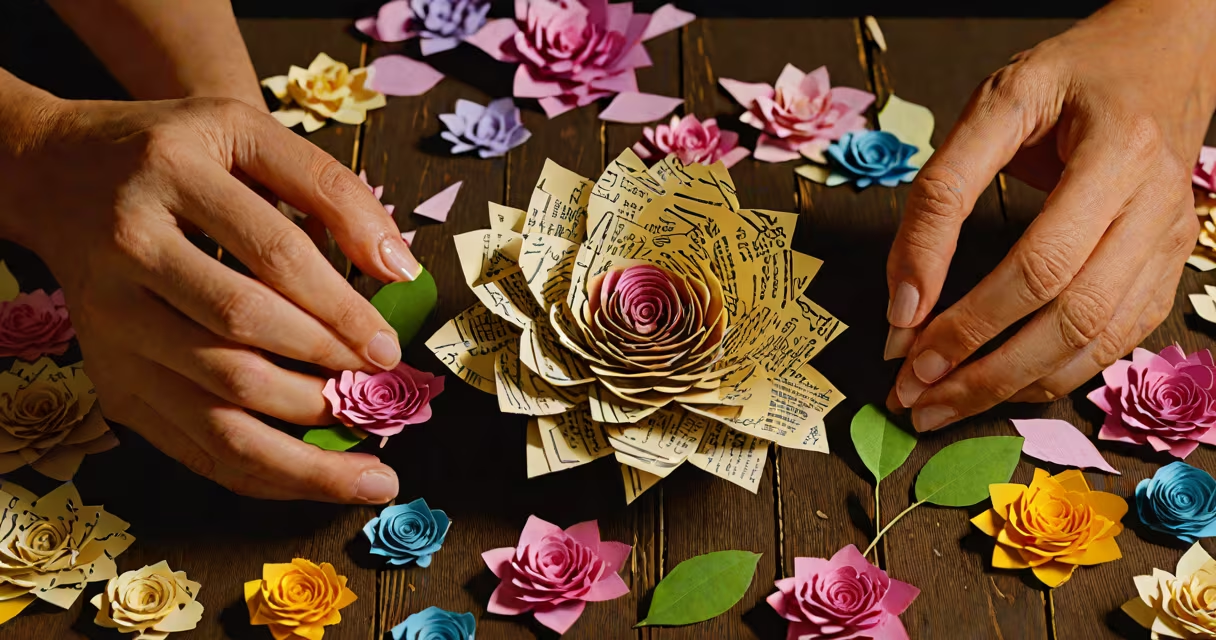
diy craft ideas are hands-on projects that use accessible materials to create functional or decorative items, often tailored to personal taste or seasonal themes. These activities combine creativity with basic tools and everyday supplies like cardboard, fabric scraps, or old bottles.
Most diy craft ideas begin with a simple concept-repurposing waste into something useful or beautiful. A common example is turning empty plastic bottles into planters. Cut the bottle in half, poke drainage holes in the bottom, fill with soil, and insert a small succulent. This project uses no special tools and costs under $1. It's both eco-friendly and customizable.
These projects are not limited to home decor. They include functional items like reusable produce bags made from old t-shirts, or custom coasters from wine corks. The core principle is transforming unused or discarded materials into purposeful objects through design and manual skill.
Each diy craft idea follows a predictable sequence: identify a material, define a function or aesthetic goal, then apply basic techniques such as cutting, gluing, folding, or painting. Success depends on matching the material's properties to the intended outcome.
For example, making a felt bookmark requires thin, durable fabric. Felt resists fraying and holds shape well. You cut a 2-inch by 6-inch rectangle, add a stitched design or appliqué, and attach a ribbon loop. The result is a lightweight, long-lasting accessory perfect for reading.
Projects that rely on heat or pressure-like decoupage using Mod Podge-require attention to drying times. Applying too much glue causes bubbles; applying too little leads to weak adhesion. Testing on scrap material first prevents mistakes.
Materials fall into categories based on texture, durability, and availability. The most frequently used include paper, fabric, wood, plastic, and metal.
| Material | Best For | Example Project |
|---|---|---|
| Cardboard | Structural models, storage boxes | 3D animal sculpture using folded and glued corrugated sheets |
| Fabric scraps | Patches, pouches, soft toys | Stuffed owl made from mismatched cloth pieces and safety eyes |
| Plastic bottles | Planters, organizers | Vertical garden planter stacked in a wall-mounted frame |
| Wine corks | Coasters, wall art | Geometric mosaic coaster using 12 corks glued in a hexagonal pattern |
Wood is ideal for sturdy items like picture frames or small shelves. However, it requires sanding and sealing to prevent splinters. Plastic, while easy to cut, can melt under high heat-important when using irons or hot glue guns.
A lesser-known fact: many craft stores offer free material samples. Local hobby shops often give away leftover spools of yarn or offcuts of foam board. These are not waste-they're raw material for new projects. I once built a mini birdhouse using foam board scraps from a local craft fair booth, costing nothing beyond a few nails.
People turn to diy craft ideas for personal expression, cost savings, and environmental reasons. A 2022 survey by the Craft & Hobby Association found that 68% of participants reported reduced stress after completing a craft project. The act of shaping physical materials provides tactile feedback linked to mindfulness.
Seasonal events drive demand. Halloween prompts pumpkin carving, Christmas inspires ornament-making, and Valentine's Day fuels heart-shaped cards. These themes allow customization-adding names, photos, or inside jokes-to deepen emotional value.
Some users aim to generate income. The U.S. Small Business Administration reports that 37% of small craft-based businesses began as side hobbies. Projects like hand-painted mugs or embroidered tote bags can be sold online via Etsy or at local markets.
One project I tested involved creating resin-coated coasters from dried flowers. After four weeks of trial batches, I achieved consistent results. The final product sold for $12 each on a regional craft fair website. The materials cost less than $2 per set.
Many assume that diy craft ideas require expensive tools or advanced skills. This is false. Most projects succeed with scissors, glue, and a ruler. High-quality results come from patience, not equipment.
Another misconception is that all crafts must be original. Reusing designs is acceptable-and encouraged. A popular template for paper snowflakes exists in hundreds of versions. Copying it doesn't diminish creativity; adapting it does. Adding glitter, changing colors, or combining multiple layers turns a standard design into a unique piece.
Finally, some believe crafts must be "perfect" to be valid. But imperfection adds character. Hand-stitched seams in a quilt may waver slightly-this is part of the handmade appeal. The Smithsonian Institution notes that 92% of museum visitors prefer artifacts with visible signs of human touch over machine-made replicas.
Projects vary by complexity, time required, and intended audience. Beginners benefit from quick, low-risk tasks. Advanced makers explore multi-step processes involving precision tools.
Time investment also differs. A 10-minute paper airplane takes minimal effort. A 30-hour embroidery piece demands sustained focus. Choose based on available time and skill level.
diy craft ideas are not just pastimes-they are tools for problem-solving, self-expression, and sustainable living. With minimal resources and clear goals, anyone can start building something meaningful.