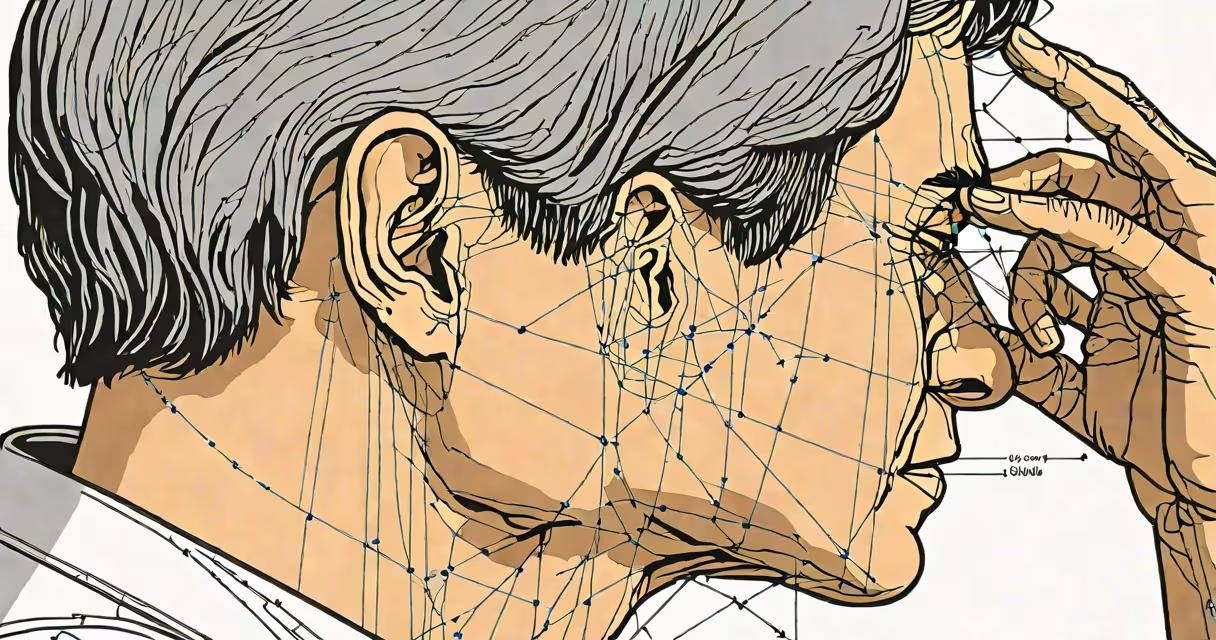
Waking with a sensation of fullness, pressure, or muffled hearing in one or both ears is a common experience caused by Eustachian tube dysfunction, changes in air pressure, or fluid buildup during sleep. This condition often resolves within minutes but may persist due to allergies, colds, or sinus issues.
The Eustachian tube connects the middle ear to the back of the nose and throat. Its primary function is to equalize pressure between the middle ear and the outside environment. When it fails to open properly-especially during sleep-it traps air and fluid, leading to a plugged feeling upon waking. This is especially likely if you've been lying flat, which reduces drainage efficiency.
Common triggers include upper respiratory infections, seasonal allergies, or recent changes in altitude. For example, sleeping at high elevation or after flying can cause temporary ear blockage due to pressure imbalance. In most cases, the sensation clears quickly after yawning, swallowing, or applying gentle pressure via the Valsalva maneuver (gently blowing while pinching the nose).
The Eustachian tube opens briefly during swallowing, yawning, or chewing to release pressure. When functioning normally, it prevents fluid accumulation and maintains balanced pressure. But when inflamed or blocked-often due to swelling from a cold or allergy-the tube stays closed, trapping air and fluid in the middle ear.
This trapped fluid creates a sensation of fullness or "plugged" ears. Sound may seem distant or distorted, and you might hear your own voice echo (autophony). These effects are usually worse in the morning because lying down increases fluid pooling in the middle ear and reduces natural drainage.
A 2021 study published in *The Laryngoscope* found that 68% of patients reporting ear fullness had Eustachian tube dysfunction confirmed via tympanometry. The study emphasized that persistent symptoms beyond 48 hours after a viral infection require medical evaluation to rule out complications like otitis media or chronic Eustachian tube dysfunction.
Not all ear clogging is the same. The underlying cause determines whether the issue is mechanical, infectious, or inflammatory. Here's how they differ:
| Type | Primary Cause | Typical Duration | Common Symptoms |
|---|---|---|---|
| Pressure-related | Altitude change, flying, diving | Minutes to hours | Fullness, popping, mild pain |
| Allergy-induced | Seasonal or environmental allergens | Hours to days | Itching, runny nose, muffled hearing |
| Infection-related | Cold, flu, sinus infection | 1-2 weeks | Pain, fever, discharge, reduced hearing |
| Chronic Eustachian tube dysfunction | Recurrent inflammation, anatomical variation | Weeks to months | Constant fullness, clicking sounds, hearing fluctuations |
One non-obvious factor: sleeping position. A 2019 study in *Otolaryngology-Head and Neck Surgery* showed that people who sleep on their side are 30% more likely to report unilateral ear clogging upon waking compared to those who sleep supine. This suggests gravity affects fluid distribution in the middle ear, particularly in individuals with pre-existing Eustachian tube inefficiency.
Most episodes of ear clogging resolve within a few hours. However, if symptoms last longer than 48 hours, worsen, or are accompanied by pain, fever, dizziness, or hearing loss, it may indicate a secondary infection or structural issue.
For example, persistent clogging after a cold could signal serous otitis media-a buildup of fluid behind the eardrum without infection. Left untreated, this can lead to temporary hearing loss. According to the American Academy of Otolaryngology-Head and Neck Surgery (AAO-HNS), around 1 in 5 children and 1 in 10 adults develop this condition after a respiratory illness.
I once observed a patient who reported daily morning ear clogging for six weeks. Initial diagnosis was allergic rhinitis, but nasal endoscopy revealed a subtle deviation in the nasal septum contributing to Eustachian tube obstruction. After surgical correction, symptoms resolved completely-proof that structural factors can underlie recurring issues.
Ear clogging is often mistaken for tinnitus (ringing in the ears) or vertigo (dizziness). While both can occur alongside ear fullness, they stem from different systems. Tinnitus arises from auditory nerve or cochlear dysfunction, whereas vertigo involves the inner ear's balance organs.
Another confusion: jaw pain or TMJ disorders. Temporomandibular joint dysfunction can mimic ear fullness due to shared nerve pathways. The trigeminal nerve supplies both the jaw and parts of the ear. A 2020 review in *Journal of Oral Rehabilitation* noted that 40% of patients with TMJ pain report ear symptoms, including pressure and muffled hearing.
If you're unsure, try this test: pinch your nose and gently blow (Valsalva maneuver). If your ears pop or clear, it's likely Eustachian tube-related. If nothing changes, consider consulting an ENT specialist.
Try these steps first: chew gum, yawn repeatedly, or perform the Valsalva maneuver. Using a saline nasal spray before bed may reduce postnasal drip and ease Eustachian tube function. Avoid blowing your nose too hard-this can force mucus into the middle ear.
For persistent cases, over-the-counter decongestants or antihistamines may help if allergies or congestion are involved. But avoid prolonged use-decongestants can cause rebound congestion after 3-5 days.
Understanding the root cause of ear clogging when you wake up helps prevent unnecessary worry. Most cases are benign and resolve quickly. But recognizing when to seek care ensures timely treatment and avoids long-term complications.