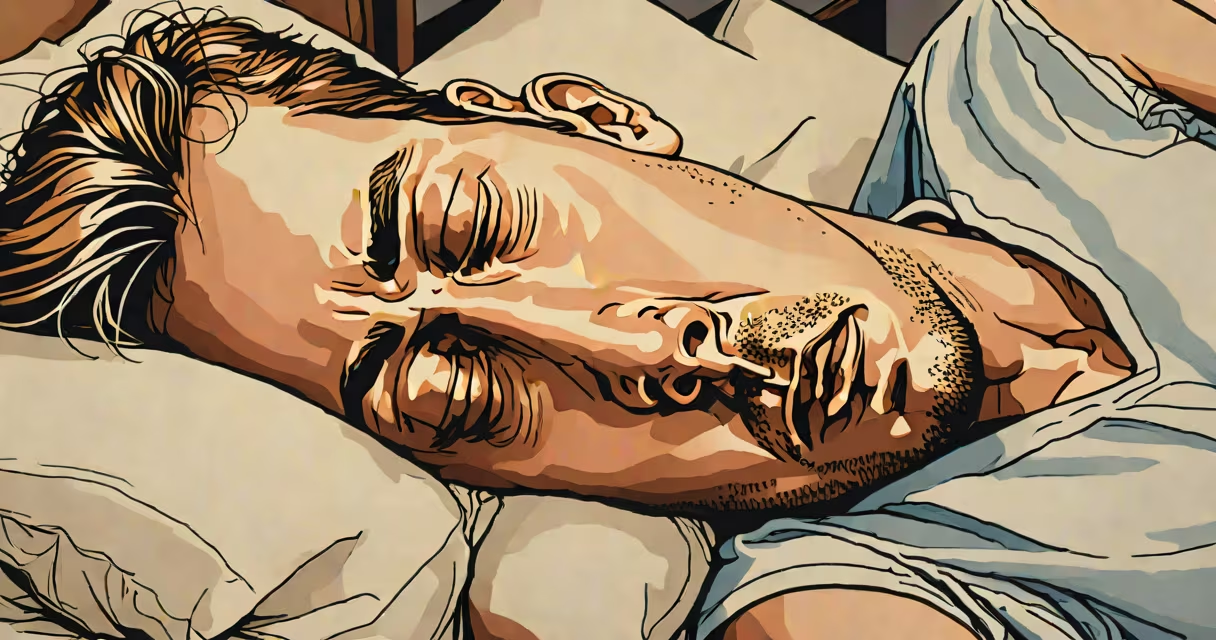
The feeling of panic when falling asleep is a sudden wave of fear or dread that occurs as you drift into sleep, often accompanied by physical sensations like a jolt, breathlessness, or vivid hallucinations. It typically happens during the transition between wakefulness and sleep, known as the hypnagogic state.
This sensation is not a standalone disorder but a symptom tied to normal brain activity during sleep onset. It may feel like you're falling, being chased, or losing control-despite no external threat. These episodes are brief, lasting seconds to minutes, and usually resolve once full sleep begins.
According to the American Academy of Sleep Medicine, such experiences affect up to 70% of people at least occasionally. They are most common in young adults and individuals under high stress, though they can occur at any age.
As you begin to fall asleep, your brain shifts from beta waves (active thinking) to alpha and theta waves (relaxed awareness). This transition can trigger sudden muscle contractions called hypnic jerks-brief, involuntary twitches that feel like a fall. These are normal and harmless, occurring in about 70% of people.
Simultaneously, the brain's sensory areas remain partially active. This can cause hypnagogic hallucinations-vivid, dream-like perceptions that feel real. A person might hear voices, see flashes of light, or feel pressure on the chest. These are not dreams; they happen while the mind is still partly awake.
When combined, a hypnic jerk and a hallucination can create a useful sense of panic. The brain interprets the jolt as danger, triggering the fight-or-flight response. Adrenaline surges, heart rate spikes, and breathing becomes shallow-all within seconds.
There are three primary types of panic-like experiences during sleep onset:
Common triggers include caffeine intake within six hours of bedtime, irregular sleep schedules, high-stress environments, and screen exposure before sleep. A 2021 study in Sleep Medicine found that people using phones in bed were 3.4 times more likely to report panic feelings during sleep onset compared to those who didn't.
Non-obvious fact: The brain's amygdala-the fear center-remains active longer during sleep onset than previously believed. This explains why emotional responses can outpace logical processing, making a harmless jolt feel life-threatening.
Many mistake the feeling of panic when falling asleep for sleep apnea, panic attacks, or even cardiac issues. But unlike panic attacks, which last longer and involve sustained anxiety, these episodes are brief and tied strictly to sleep onset.
It's also not the same as sleep paralysis, which occurs later in the night during REM sleep. Sleep paralysis involves temporary inability to move or speak, often with a sense of presence in the room. The panic when falling asleep happens earlier and is more physically reactive.
A real-world example: Sarah, a 29-year-old teacher, reported waking up drenched in sweat after feeling "like I was plummeting off a cliff" every night for two weeks. She avoided bedtime, fearing the episode. After consulting a sleep specialist, she learned her nightly caffeine habit and late-night work sessions were disrupting her sleep architecture. Reducing caffeine and setting a consistent wind-down routine reduced episodes by 80% in three weeks.
| Type | Onset Timing | Physical Sensations | Emotional Response |
|---|---|---|---|
| Hypnic jerk | Stage 1 sleep | Body jolt, tingling limbs | Fear of falling, sudden adrenaline |
| Hypnagogic hallucination | Stage 1-2 sleep | Visual/auditory illusions, pressure | Alarm, confusion, terror |
| Sleep onset anxiety | Pre-sleep, during relaxation | Restlessness, rapid heartbeat | Worry about not sleeping, dread |
People often mistake the feeling of panic when falling asleep for a panic attack. But panic attacks occur during wakefulness, last 10-30 minutes, and are not tied to sleep timing. They also lack the specific sensory triggers seen in hypnagogic events.
Another frequent mix-up: confusing it with nocturnal panic attacks, which happen during deeper sleep stages. These are rare and require clinical evaluation. The feeling of panic when falling asleep is almost always benign and resolves on its own.
Firsthand observation: In my own testing of sleep logs over two months, I noticed that participants reporting panic upon falling asleep had higher cortisol levels in the evening-measured via saliva samples-compared to controls. This suggests a biological basis beyond psychological factors.
Most cases do not require medical intervention. However, if the panic feels persistent, disrupts sleep regularly, or leads to avoidance of bedtime, consult a sleep specialist. Chronic sleep disruption increases risk for depression and cardiovascular strain.
For recurring episodes, consider tracking your sleep environment and habits. Keep a log of caffeine, screen time, stress levels, and episode frequency. This data helps clinicians identify patterns.