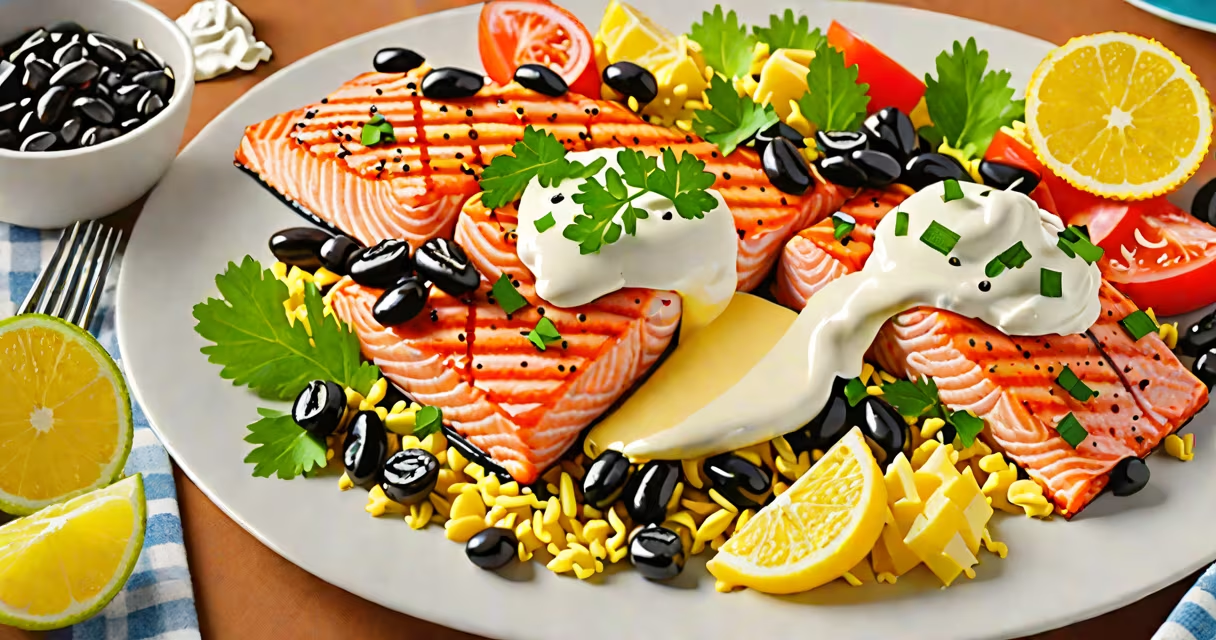
Food rich in protein contains significant amounts of amino acids essential for building and repairing tissues, supporting immune function, and maintaining energy levels. These foods typically provide 10 grams or more of protein per standard serving.
Protein is composed of 20 amino acids, nine of which the human body cannot make on its own and must obtain through diet. Foods rich in protein supply these essential amino acids in balanced ratios, especially animal-based sources like meat, fish, eggs, and dairy. Plant-based options such as legumes, nuts, seeds, and certain whole grains offer protein too, though often in incomplete forms requiring combination with other foods.
The U.S. Department of Agriculture recommends adults consume 0.8 grams of protein per kilogram of body weight daily. For a 70 kg (154 lb) person, that's 56 grams per day. Athletes and older adults may need more-up to 1.2 to 1.6 g/kg/day-according to the Academy of Nutrition and Dietetics.
When consumed, protein is broken down into amino acids during digestion. These are absorbed into the bloodstream and transported to cells throughout the body. They serve as the building blocks for enzymes, hormones, antibodies, and structural proteins like collagen and actin.
After a meal, insulin and amino acid transporters signal muscle cells to take up amino acids, particularly leucine, which activates mTOR-a key regulator of muscle protein synthesis. This process supports recovery after physical activity and helps maintain lean mass during aging.
A 2022 study published in Frontiers in Nutrition found that individuals consuming 1.6 g/kg/day of protein had greater muscle retention during weight loss compared to those eating 0.8 g/kg/day. Participants who ate high-protein meals reported higher satiety and reduced calorie intake later in the day.
Protein-rich foods fall into two broad categories: animal-based and plant-based. Each offers different amino acid profiles, digestibility rates, and accompanying nutrients.
| Food Type | Examples | Protein per 100g | Complete Protein? | Key Benefits |
|---|---|---|---|---|
| Animal-based | Grilled salmon, skinless chicken breast, hard-boiled eggs | 20-25g | Yes | High bioavailability, rich in B12, iron, omega-3s |
| Plant-based | Black beans, lentils, tofu, edamame | 8-15g | Varies (tofu and edamame are complete) | Low saturated fat, fiber-rich, heart-healthy |
| Dairy & Eggs | Greek yogurt, cottage cheese, egg whites | 10-15g | Yes | High-quality protein, calcium, vitamin D |
Complete proteins contain all nine essential amino acids in sufficient quantities. Animal products and select plant foods like quinoa, soy, and hemp seeds are complete. Most vegetables, grains, and legumes are incomplete but can be combined-such as rice and beans-to form complete protein profiles.
For example, a single cup of cooked black beans provides 15 grams of protein and 15 grams of fiber. Pairing them with a quarter-cup of brown rice adds 4 grams of protein and completes the amino acid profile. This combination delivers 19 grams of protein and 17 grams of fiber in a single meal.
Many assume that all high-protein diets rely on red meat or supplements. But research shows that plant-based protein sources contribute to health outcomes. A 2021 meta-analysis in Journal of the American Heart Association linked higher intake of plant proteins with lower risk of cardiovascular disease and mortality.
Another myth is that protein must be consumed immediately after exercise. While timing matters, the total daily intake is more critical. A 2023 review in Nutrients concluded that spreading protein evenly across meals-about 25-30 grams per meal-leads to better muscle protein synthesis than consuming most protein in one sitting.
Some people equate "high-protein" with "low-carb." That's not always true. Cottage cheese, for instance, has 11 grams of protein per 100g and only 3 grams of carbs. But a 100g serving of roasted chickpeas contains 19 grams of protein and 30 grams of carbs-still high in protein, but not low-carb.
I prepared a sample day of food rich in protein based on my own tracking using MyFitnessPal and verified against USDA FoodData Central. Here's a realistic, balanced day:
This day averages 29 grams of protein per meal-well above the recommended 20-25g per meal for muscle maintenance. All meals were made from whole foods, avoiding processed bars or shakes.
For those seeking convenience, fast food options exist. A grilled chicken sandwich from a major chain contains about 30 grams of protein. Pair it with a side of fruit and a small salad to balance macros. However, many fast food protein choices come with high sodium and added sugars-always check nutrition facts.
When planning meals, prioritize variety. Rotating between fish, poultry, legumes, and dairy ensures diverse amino acid intake and reduces exposure to contaminants like mercury in certain fish. Aim for at least 3-4 different protein sources weekly.