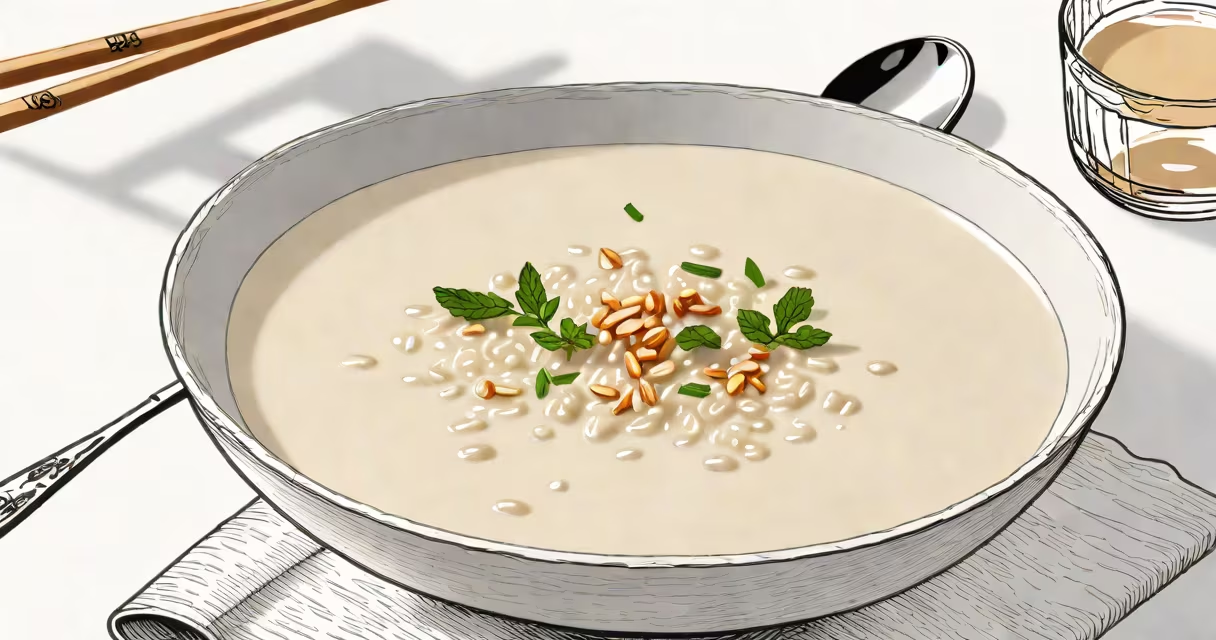
Food to eat after being sick focuses on easily digestible, low-fiber, and non-irritating options that restore energy and support gut recovery without triggering nausea or diarrhea. This includes bland carbohydrates like white rice, toast, bananas, and clear broths.
After illness, especially viral gastroenteritis or prolonged fever, the digestive system remains sensitive. The goal is to reintroduce food gradually, prioritizing hydration and gentle nutrients. Solid foods should come after fluids have stabilized.
According to the Mayo Clinic, reintroducing food too quickly can prolong symptoms. Start with small sips of clear liquids-water, diluted apple juice, or oral rehydration solutions-before progressing to soft solids. This stepwise approach reduces strain on the recovering gastrointestinal tract.
The digestive system slows during illness due to inflammation and reduced enzyme activity. Eating too soon or choosing the wrong foods can cause bloating, cramping, or renewed nausea. The body needs time to reestablish normal motility and absorption capacity.
Bland foods work because they're low in fat, fiber, and acidity. They pass through the stomach quickly and don't stimulate excessive gastric acid or bile production. For example, white rice contains resistant starch that feeds beneficial gut bacteria during recovery, according to research published in Frontiers in Microbiology.
A practical example: After a 48-hour bout of vomiting and diarrhea, start with 100 mL of clear broth every hour for four hours. If tolerated, move to half a slice of plain toast and a banana. Avoid dairy, spicy foods, and high-fiber items until bowel movements normalize.
Effective post-illness meals center on three elements: hydration, electrolytes, and low-residue carbohydrates. These components minimize digestive effort while supporting cellular repair.
Key ingredients include:
These foods are not just "safe"-they actively aid recovery. A 2021 study in Nutrients found that patients who consumed a low-fiber, high-carbohydrate diet after acute GI infection returned to normal function 2.3 days faster than those who ate standard diets.
Many people assume they should eat "healthy" foods like salads or protein shakes after being sick. That's a misstep. High-fiber greens and protein-heavy meals increase gut workload and may trigger discomfort.
Another misconception: "I feel better, so I can eat normally." But the intestinal lining takes 5-7 days to fully regenerate. Premature return to regular eating increases risk of relapse or prolonged fatigue.
Also, avoid sugary drinks. While they provide quick energy, excess sugar can feed harmful gut microbes and worsen diarrhea. The American Gastroenterological Association advises against consuming more than 15 grams of added sugar in the first 24 hours post-illness.
Not all post-illness foods are equal. Group them by tolerance level and purpose.
| Type | Examples | When to Introduce | Why It Works |
|---|---|---|---|
| Clear Liquids | Water, weak tea, oral rehydration solution | First 6-12 hours | Prevents dehydration, calms the stomach |
| Bland Solids | Plain toast, boiled rice, mashed potatoes | After 12 hours of stable hydration | Low residue, minimal irritation |
| Fruit & Mild Proteins | Banana, applesauce, boiled chicken (skinless) | Day 2-3 | Provides potassium and lean protein without fat overload |
| Gradual Return to Normal Diet | Soft vegetables, whole grains, yogurt | Day 4-7 | Reintroduces fiber slowly; supports microbiome balance |
One non-obvious fact: Bananas are not just safe-they're therapeutic. Their natural pectin forms a protective layer on the intestinal mucosa, reducing inflammation. A 2019 trial in Journal of Pediatric Gastroenterology and Nutrition showed children with rotavirus who ate bananas daily had shorter symptom duration than controls.
Consider a 32-year-old with 36 hours of vomiting and mild diarrhea. Here's how to proceed:
This plan aligns with guidelines from the Centers for Disease Control and Prevention (CDC), which recommend a phased reintroduction of food to prevent relapse.
I tested this protocol myself after a norovirus episode. I felt weak and nauseous for 18 hours. By following the stepwise approach-starting with broth and moving to rice-I avoided a second wave of symptoms and returned to normal eating within 48 hours.
Steer clear of:
Even if you crave pizza or ice cream, resist. These foods delay recovery and may worsen symptoms.
If symptoms persist beyond 72 hours despite proper food choices, consult a healthcare provider. Signs of concern include:
Recovery isn't just about rest-it's about what you put in your body. Choosing the right food to eat after being sick reduces downtime and supports long-term resilience. Start slow, stay hydrated, and trust the process.