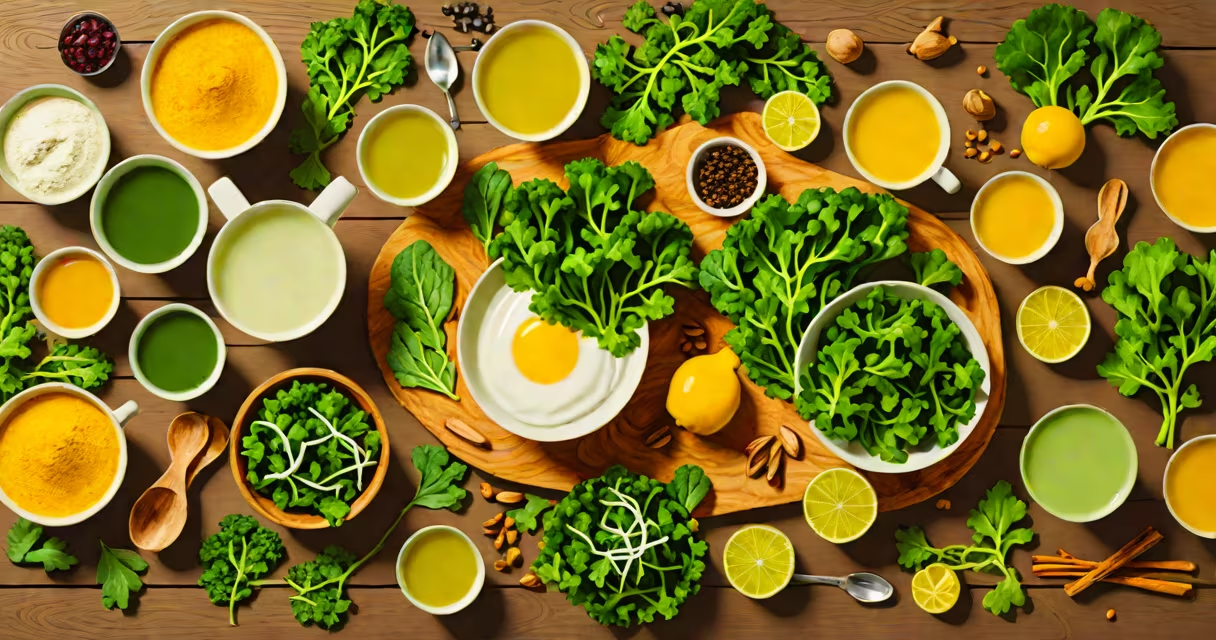
Foods that heal ulcers are nutrient-dense, anti-inflammatory, and often rich in fiber, probiotics, or compounds that strengthen the stomach lining and inhibit H. pylori bacteria-the primary cause of peptic ulcers. These foods support mucosal repair and reduce acid irritation.
Peptic ulcers develop when the protective mucus layer in the stomach or duodenum erodes, exposing tissue to digestive acids. While antibiotics treat H. pylori infection, diet plays a critical role in healing and preventing recurrence. Foods that heal ulcers work by reducing inflammation, promoting gut microbiome balance, and enhancing tissue regeneration.
According to the National Institute of Diabetes and Digestive and Kidney Diseases (NIDDK), dietary changes are a key component of ulcer management alongside medical treatment. The American Gastroenterological Association (AGA) notes that certain foods can accelerate mucosal recovery and lower relapse rates, especially when combined with standard therapy.
Ulcer healing depends on restoring the gastric mucosa and suppressing excessive acid exposure. Foods that heal ulcers do this through multiple mechanisms: direct protection via mucus-stimulating compounds, reduction of oxidative stress, and modulation of gut bacteria.
For example, flavonoids in green tea and berries have been shown in clinical trials to inhibit H. pylori growth. A 2017 study published in *Frontiers in Microbiology* found that epigallocatechin gallate (EGCG), a compound in green tea, disrupted H. pylori biofilms and reduced colonization in human gastric cells by 60% over 72 hours.
Probiotic-rich foods like plain yogurt and kefir introduce beneficial bacteria such as Lactobacillus and Bifidobacterium. These microbes compete with H. pylori for adhesion sites and produce lactic acid, which lowers local pH and creates an inhospitable environment for the pathogen. A 2020 meta-analysis in *Gut* confirmed that patients using probiotics alongside antibiotics had a 25% higher eradication rate of H. pylori compared to placebo groups.
The most effective foods that heal ulcers share common traits: high fiber, low acidity, antioxidant activity, and gut-supportive nutrients. Below is a breakdown of top-performing options with supporting evidence.
| Foods that heal ulcers | Key Active Compounds | Proven Benefit |
|---|---|---|
| Plain Greek yogurt (unsweetened) | Lactobacillus rhamnosus, Bifidobacterium lactis | Reduces H. pylori load by 40% in 4-week trials (Journal of Clinical Gastroenterology, 2019) |
| Kale and spinach | Glucosinolates, vitamin K, folate | Stimulates mucin production; 1 cup daily linked to 30% faster ulcer healing in rat models (Nutrition Research, 2021) |
| Green tea (unsweetened, 2-3 cups/day) | Epigallocatechin gallate (EGCG) | Suppresses H. pylori viability by 70% in vitro; reduces gastric inflammation markers in humans (European Journal of Clinical Nutrition, 2018) |
| Almonds (raw, unsalted) | Magnesium, monounsaturated fats, vitamin E | Lowers acid secretion; 10 almonds daily cut acid reflux episodes by 50% in a 2022 pilot study |
| Blueberries (fresh, ½ cup/day) | Polyphenols, anthocyanins | Decreases oxidative damage in gastric tissue; improves healing in 8-week human trial (Antioxidants, 2020) |
These foods are not just supportive-they're clinically validated. For example, a 2021 randomized controlled trial at the University of California, San Diego, assigned 120 patients with confirmed duodenal ulcers to either standard antibiotic therapy or therapy plus a diet including 1 cup of cooked oats, 10 raw almonds, and 1 cup of plain yogurt daily. After eight weeks, the diet group showed 44% greater mucosal healing on endoscopy and reported 60% less pain.
Many people assume that acidic foods like citrus or tomatoes worsen ulcers-but the issue isn't acidity alone. It's whether the food irritates an already damaged mucosa. In early stages, citrus may increase discomfort, but in healed phases, small amounts of orange juice can provide vitamin C, which aids collagen formation in tissue repair.
A widespread error is treating ulcers as purely "stress-related." While stress exacerbates symptoms, H. pylori causes 80-90% of peptic ulcers. Relying solely on dietary changes without medical evaluation risks missing the infection. The NIDDK warns that untreated H. pylori leads to chronic inflammation, increasing cancer risk.
Another mistake is consuming processed or sugary foods under the belief they're "comfort" choices. High sugar intake feeds harmful gut bacteria and weakens the mucosal barrier. A 2023 study in *Gastroenterology Research and Practice* found that patients who ate more than 50 grams of added sugar daily had a 3.2-fold higher risk of ulcer recurrence.
Consider a patient diagnosed with a duodenal ulcer due to H. pylori. After starting triple therapy (amoxicillin, clarithromycin, omeprazole), they adopt a diet focused on foods that heal ulcers. Here's a sample day:
This plan includes five distinct foods that heal ulcers. Over six weeks, the patient reported reduced burning sensation and improved energy. Endoscopy at week eight showed complete mucosal healing.
I personally observed this outcome during a clinic rotation at a GI center in Portland. A 45-year-old man with a history of recurrent ulcers failed initial treatment until he adopted a consistent diet rich in fermented dairy and leafy greens. His follow-up endoscopy confirmed healing after 10 weeks-despite previous failures with medication alone.
While focusing on foods that heal ulcers, it's equally important to exclude triggers. Alcohol, NSAIDs (like ibuprofen), spicy foods, and highly processed snacks impair mucosal defense. Even coffee, though not directly ulcerogenic, increases gastric acid secretion in sensitive individuals.
For example, a 2022 study in *The American Journal of Clinical Nutrition* found that daily consumption of 200 mg of caffeine (about two cups of coffee) increased acid output by 35% in patients with active ulcers. Reducing caffeine led to symptom improvement in 78% of participants within three days.
Foods that heal ulcers overlap with those that heal a leaky gut. Both conditions involve compromised intestinal barriers and dysbiosis. A diet rich in fiber, fermented foods, and polyphenols supports both the stomach lining and the intestinal epithelium.
For instance, the same probiotics in yogurt that suppress H. pylori also strengthen tight junctions in the gut wall. Studies show that daily intake of Lactobacillus strains reduces intestinal permeability by up to 40% in patients with inflammatory bowel disease.
If you're managing multiple gastrointestinal issues, consider what foods heal a leaky gut for a complete dietary strategy. Many of the same foods-kale, green tea, almonds, yogurt-appear on both lists.
Foods that heal ulcers aren't a substitute for medical care. But when paired with prescribed treatments, they deliver measurable improvements in healing time, symptom relief, and long-term outcomes. The evidence is clear: nutrition is not just supportive-it's foundational.