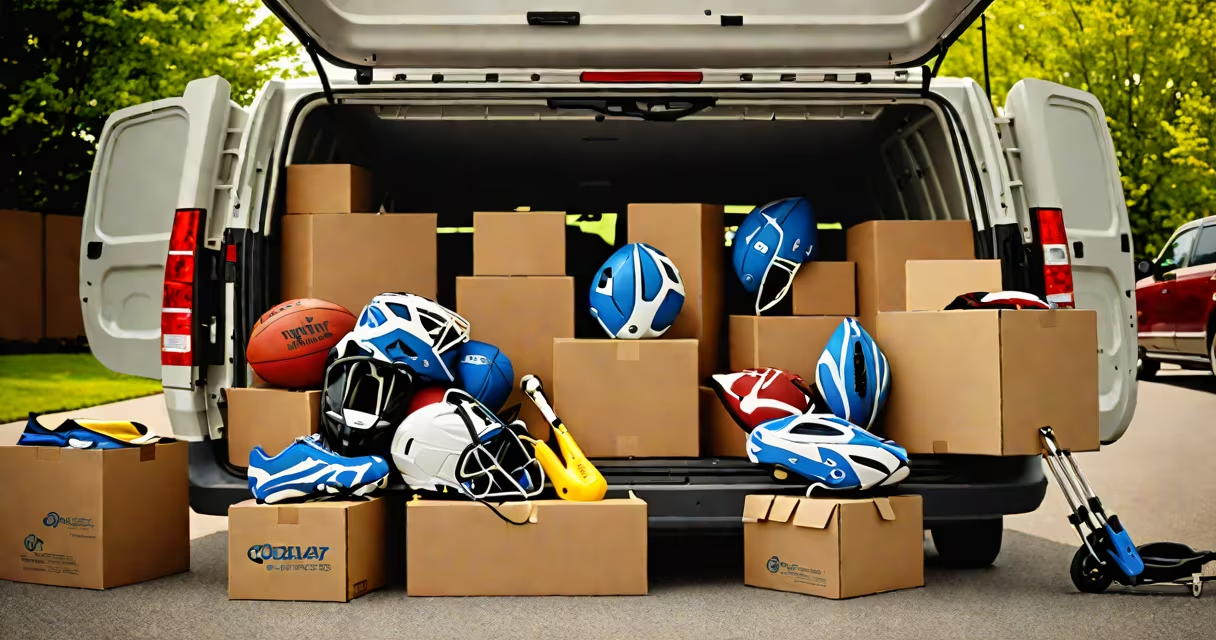
Product donations for nonprofits are tangible goods-such as electronics, clothing, or food-given freely by companies to charitable organizations to support their programs, mission outreach, or direct beneficiary needs. These contributions bypass monetary transactions and often serve immediate operational or community needs.
When a company donates products, it transfers ownership without compensation. The nonprofit receives the goods and uses them directly or redistributes them. This differs from cash grants, which fund program operations or staff salaries. Product donations are especially useful when a nonprofit lacks access to essential supplies or faces urgent demand.
For example, a tech firm donated 500 refurbished laptops to a youth education nonprofit in Detroit. The organization distributed them to students from low-income families lacking home computers. The donors received tax deductions; the recipients gained tools for remote learning. This transaction required no cash flow, only coordination and shipping.
Donations begin when a business identifies a nonprofit aligned with its values or social responsibility goals. The company then selects usable inventory-items still functional, safe, and within shelf life. After vetting the recipient's legitimacy and capacity to handle the goods, the donor arranges transport and delivery.
Nonprofits must have systems to receive, store, track, and distribute donated items. A local food bank may accept 1,000 cans of beans from a grocery supplier. Staff log each batch, verify expiration dates, and redistribute to partner pantries. Without proper inventory control, donations risk spoilage or misuse.
Logistics matter. Shipping costs can exceed the value of small donations. A nonprofit in rural Montana received 20 backpacks from a manufacturer. The freight charge was $120-more than the backpacks' retail value. The donor covered the cost, but the arrangement strained resources. Not all donations are cost-effective.
Donations fall into categories based on purpose and condition:
| Type | Condition | Use Case | Example |
|---|---|---|---|
| New products | Unused, unopened | Direct distribution to beneficiaries | 500 school supply kits from a stationery brand |
| Refurbished items | Functionally repaired, tested | Technology access for underserved groups | 100 tablets donated to a refugee resettlement agency |
| Surplus or excess | Overstock, discontinued models | Program materials or fundraising items | 1,000 T-shirts from a fashion brand's seasonal run |
| Expired or near-expiration | Still safe, within date limits | Food banks, animal shelters | 1,200 units of milk nearing expiry from a dairy distributor |
Some donations are restricted by law. The IRS requires that donated goods be "used or intended for use" by the nonprofit. Items deemed unsuitable-like expired medicine or damaged electronics-cannot qualify for tax deductions. The Internal Revenue Code §170(e)(1) states that only items with fair market value can be deducted.
A key distinction: product donations are not the same as commodity products. While both are physical goods, commodity products are standardized, interchangeable items traded on markets-like wheat, crude oil, or copper. They're fungible and priced by global supply chains. A donation of 10 tons of wheat to a famine relief group qualifies as a product donation, but the wheat itself is not a commodity product unless sold on a futures exchange.
Many assume that donating products is free for the donor. That's false. While no cash changes hands, the donor loses the resale value of the goods. A company that donates 100 smartphones worth $500 each forfeits $50,000 in potential revenue. The tax benefit offsets this loss-but only if properly documented.
Another myth: all donations are automatically eligible for tax deductions. The IRS requires documentation proving the nonprofit's tax-exempt status and the item's fair market value. Without Form 8283 for donations over $500, the deduction is disallowed. A small nonprofit in Oregon claimed $8,000 in deductions for donated office chairs. The IRS rejected the claim because the donor failed to provide appraisals. The organization had to repay the tax benefit.
Donor fatigue is real. A single business may donate to multiple causes annually. But if they overcommit, the quality of donations drops. One apparel brand sent 300 pairs of shoes to a disaster relief group. Many were worn, mismatched sizes, or lacked proper hygiene. The group couldn't distribute them safely. The donor's reputation suffered.
In 2022, a regional software company partnered with a nonprofit serving homeless youth in Seattle. The goal: close the digital divide. The company had 200 outdated but functional laptops from employee upgrades. Instead of scrapping them, they donated the devices.
The nonprofit assessed each laptop. 160 passed basic diagnostics. The remaining 40 were sent to a repair shop. After reinstalling Linux and installing educational software, all 200 were deployed. Youth used them for online classes, job applications, and mental health counseling sessions.
The company reported the donation to the IRS using Form 8283. An independent appraiser valued the laptops at $12,000. The nonprofit confirmed receipt and usage. The company claimed a $12,000 deduction. The project reached 120 young people over six months.
This case shows that success depends on due diligence. The donor didn't just hand over boxes. They verified functionality, ensured software compatibility, and tracked outcomes. The nonprofit documented usage and maintained records for audit purposes.
Product donations for nonprofits are not charity in the traditional sense-they are strategic exchanges of value. Businesses gain visibility, tax savings, and brand goodwill. Nonprofits gain access to critical resources without budget strain. Communities see faster response times during crises.
According to the National Council of Nonprofits, 72% of nonprofits report relying on in-kind donations to meet basic operational needs. During the 2020 pandemic, food banks received 40% more product donations than in 2019. The surge helped feed 1.3 million additional people across the U.S.
When done correctly, product donations create measurable impact. They reduce waste, support vulnerable populations, and strengthen community resilience. But they require planning, transparency, and accountability-just like any other resource allocation.