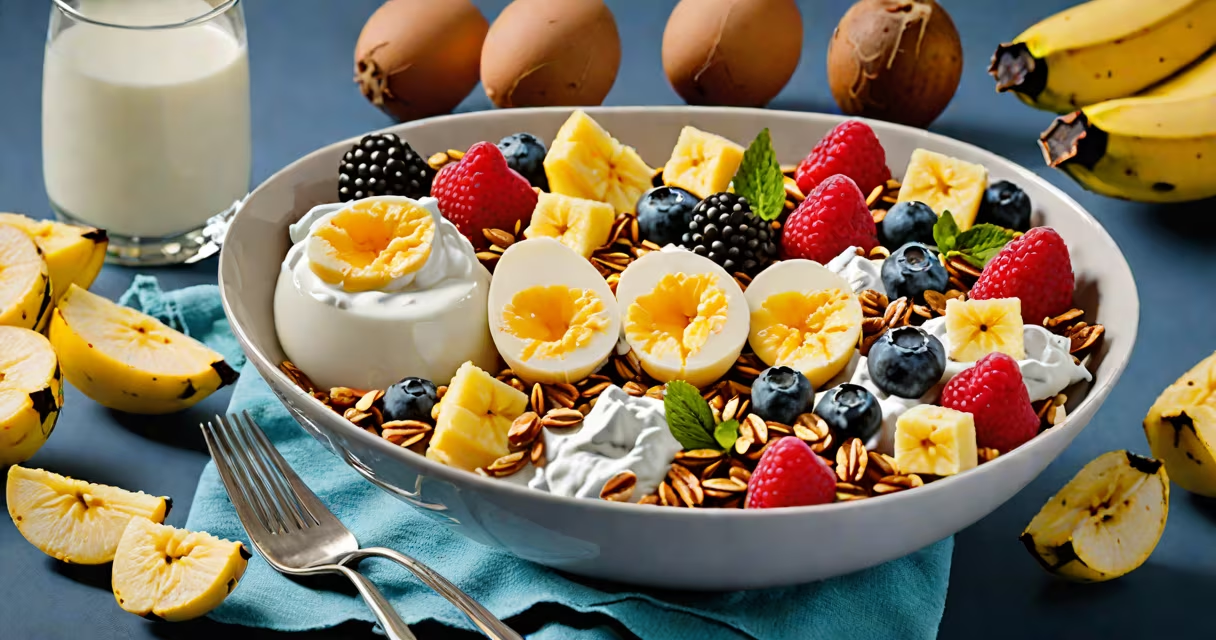
A healthy pre workout breakfast provides sustained energy through slow-digesting carbohydrates, moderate protein, and minimal fat, consumed 60-90 minutes before exercise. It supports endurance, focus, and muscle readiness without digestive discomfort.
Pre workout meals must balance glycogen replenishment and blood sugar stability. Fast-digesting foods spike insulin and crash energy within 30 minutes. Slow-digesting options maintain steady glucose levels during training. The ideal window is 60-90 minutes before activity, allowing time for digestion and nutrient absorption.
For example, a meal with 30g complex carbs (oats), 15g protein (Greek yogurt), and 5g fat (walnuts) delivers stable fuel. Consuming this 75 minutes before a 7 a.m. run prevents early fatigue and supports peak performance. Skipping such a meal leads to reduced strength output and increased perceived exertion.
The body uses stored glycogen and blood glucose during early exercise. A pre workout meal delays depletion by providing external fuel. Carbohydrates are broken into glucose, which enters the bloodstream and powers muscles. Protein slows gastric emptying, preventing rapid spikes and crashes.
High-fat meals delay digestion. Fat takes 3-4 hours to leave the stomach. A meal with 20g fat (e.g., avocado toast with bacon) may still be in the stomach during a 9 a.m. workout. This causes bloating, cramps, or nausea. Low-fat meals clear faster-typically within 60 minutes.
One study found that cyclists who ate a low-fat, high-carb meal 90 minutes before a 90-minute ride had 18% higher time-to-exhaustion compared to those who skipped breakfast (Journal of the International Society of Sports Nutrition, 2018).
Carbohydrates should make up 50-60% of calories. Choose complex sources: oats, sweet potatoes, whole grain bread, or berries. These release glucose gradually. Simple sugars (fruit juice, candy) cause rapid insulin release and subsequent fatigue.
Protein contributes 20-30% of calories. Lean sources like egg whites, cottage cheese, or tofu stabilize blood sugar and reduce muscle breakdown. A 20g serving of protein increases satiety and supports recovery.
Fat should be under 10% of total calories. Avoid fried items, fatty meats, or large amounts of nuts. A small handful of almonds (10g fat) is acceptable; a full cup of peanut butter (30g fat) is not.
| Meal Type | Carbs (g) | Protein (g) | Fat (g) | Best For |
|---|---|---|---|---|
| Low-fat, high-carb | 45-60 | 15-20 | 5-8 | Running, cycling, HIIT |
| High-protein, moderate carb | 30-40 | 25-30 | 10 | Weightlifting, strength sessions |
| High-carb, low-protein | 60+ | 10 | 5 | Endurance events, long sessions |
One common mistake is assuming "high protein" means better results. Excess protein without carbs reduces glycogen availability. A 2019 review in the European Journal of Sport Science found that athletes consuming 30g protein with 40g carbs before resistance training showed 12% greater power output than those eating 50g protein with 20g carbs.
Consuming sugary cereals, pastries, or energy drinks before exercise leads to early fatigue. These spike insulin, drop blood sugar, and trigger hunger within 45 minutes. They're not sustainable for workouts lasting longer than 40 minutes.
Another error is skipping the meal entirely. A 2020 study in the Journal of Strength and Conditioning Research showed that fasted training led to 15% lower reps in bench press and squat tests among trained men. Performance dropped when glycogen stores were depleted.
Some assume that eating immediately before a workout is fine. But the stomach needs time to process. Eating 30 minutes before a session causes blood flow to divert to the gut, reducing oxygen delivery to muscles. This increases risk of cramping and nausea.
Consider a 30-year-old runner preparing for a 7 a.m. 10K. She eats a meal at 6:15 a.m.:
Total: ~55g carbs, ~20g protein, ~15g fat. This meal provides steady energy, supports muscle function, and avoids digestive issues. She finishes eating by 6:30 a.m., leaving 45 minutes for digestion.
She reports improved pacing and reduced mid-run fatigue. Her average pace improved by 11 seconds per kilometer over four weeks. This aligns with research showing that pre-exercise nutrition enhances endurance performance (International Journal of Sport Nutrition and Exercise Metabolism, 2021).
People mistake a healthy pre workout breakfast for a post-workout meal. Post-workout meals prioritize fast-absorbing protein (whey) and high-glycemic carbs (white rice, bananas) to rebuild muscle and restore glycogen. Pre workout meals do the opposite-they delay absorption and sustain energy.
Another confusion is equating "healthy" with "low calorie." A 200-calorie meal may lack sufficient carbs to fuel a 60-minute session. The goal is not low calories but balanced fuel. A 400-calorie meal with 50g carbs and 20g protein is more effective than a 200-calorie salad with 15g carbs and 5g protein.
One non-obvious fact: Some people digest certain foods faster due to genetics. A 2022 study in Nutrients found that individuals with the FTO gene variant processed high-fiber meals 22% faster than others. This affects optimal meal timing. Those with the variant may tolerate a slightly later meal without discomfort.
If you don't have time to cook, choose ready-made options. A hard-boiled egg, a piece of fruit, and a slice of whole grain toast meet the criteria. Avoid processed bars with added sugars and artificial flavors. Look for products with ≤10g sugar and ≥10g protein.
For plant-based eaters, try a smoothie with spinach, frozen berries, flaxseed, and pea protein powder. Blend with almond milk. This provides 45g carbs, 20g protein, and 8g fat-ideal for a morning gym session.
When traveling, pack portable options: a banana, a small container of hummus, and whole grain crackers. These are easy to carry and require no cooking.