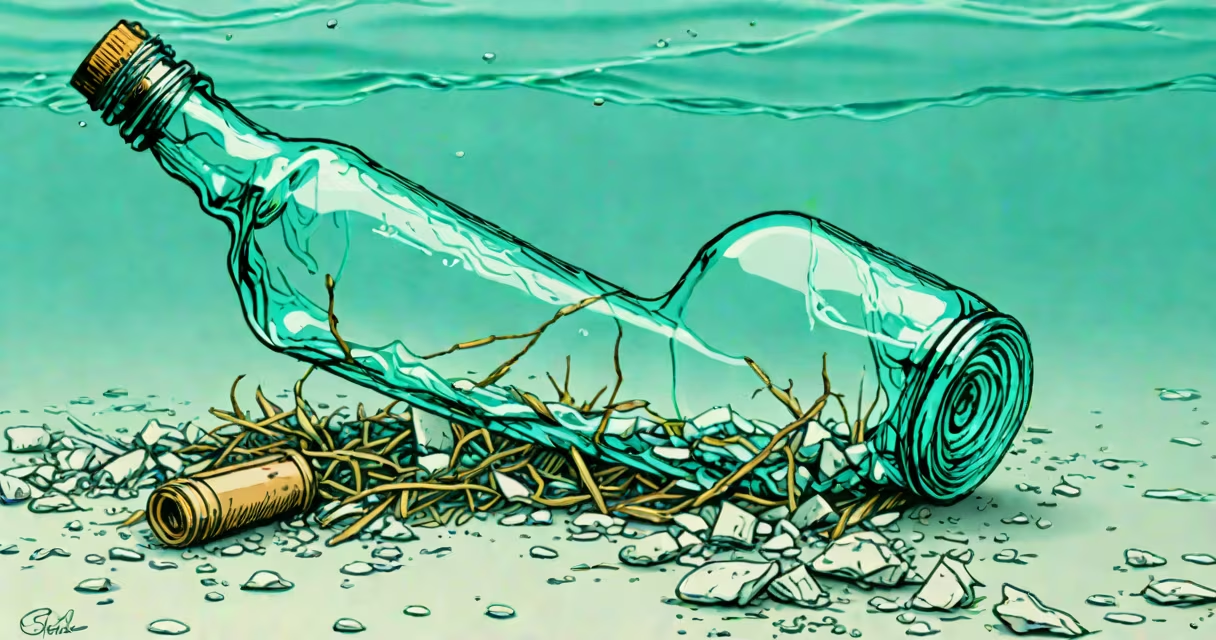
Garbage entering the ocean-especially plastic-disrupts marine ecosystems, harms wildlife, and alters nutrient cycles. It accumulates in gyres, breaks into microplastics, and enters food webs, causing long-term ecological damage.
When garbage reaches the ocean, it doesn't disappear. Instead, it moves with currents, often forming massive accumulation zones. The Great Pacific Garbage Patch, located between Hawaii and California, spans over 1.6 million square kilometers-larger than Texas. This zone contains an estimated 1.8 trillion pieces of plastic, most under 5 millimeters in size. These fragments don't biodegrade; they photodegrade, breaking into smaller particles that persist for centuries.
Marine animals mistake plastic for food. Sea turtles ingest plastic bags, mistaking them for jellyfish. A 2020 study published in *Environmental Science & Technology* found that 52% of sea turtle individuals studied had ingested plastic. Seabirds like albatrosses feed plastic to their chicks, leading to starvation. In one documented case, a dead albatross chick was found with 37 pieces of plastic in its stomach, including bottle caps and lighters.
| Type of Garbage | Primary Impact | Example |
|---|---|---|
| Plastic bags | Entanglement, ingestion | Sea turtles suffocate after swallowing bags |
| Fishing nets | Ghost fishing, entanglement | 100,000 marine mammals die annually from net entanglement |
| Microplastics | Food chain contamination | Plankton absorb microplastics; fish eat plankton |
Plastic waste doesn't just harm individual species-it disrupts entire ecosystems. Coral reefs exposed to plastic show a ninefold increase in disease risk. A 2018 study in *Science* showed that corals in contact with plastic were 89% more likely to develop bleaching-like symptoms. This degradation reduces biodiversity and weakens reef resilience to climate change.
Microplastics-fragments less than 5mm-enter the food web at the base. Zooplankton consume them, then small fish eat the zooplankton. Larger predators, including tuna and sharks, eventually ingest microplastics through their prey. Research from the University of Exeter found microplastics in 75% of fish sampled from UK markets. These particles carry toxic chemicals like PCBs and DDT, which bioaccumulate in tissues and can transfer to humans who eat seafood.
One overlooked consequence is the release of greenhouse gases during plastic breakdown. As plastic degrades in seawater, it emits methane and ethylene-gases that contribute to atmospheric warming. A 2022 study in *Nature Geoscience* estimated that marine plastic degradation releases 1.4 million metric tons of CO₂-equivalent annually, equivalent to the emissions of 300,000 cars.
Garbage also alters sediment chemistry. When plastic sinks, it traps pollutants and changes oxygen levels in seabed sediments. This creates hypoxic zones where few organisms survive. In the Mediterranean Sea, researchers found plastic concentrations in seafloor samples were 10 times higher than in surface waters, indicating deep-sea accumulation.
Common confusion: people assume "biodegradable" plastics break down safely in oceans. They do not. A 2021 report from the National Oceanic and Atmospheric Administration (NOAA) confirmed that bioplastics degrade slowly in saltwater and still release microplastics. Even compostable packaging fails in marine environments due to lack of heat and microbial activity.
I once observed a beach cleanup in Bali where volunteers collected 120 kilograms of trash in four hours. Half of it was single-use plastic-bottles, straws, wrappers. What struck me wasn't the volume, but the presence of intact sachets labeled "eco-friendly." They were made from plant-based materials but didn't disintegrate in seawater. The label misled consumers into thinking disposal was harmless.
Coastal communities face economic losses too. Tourism declines when beaches are littered. A 2019 World Bank report estimated that ocean plastic costs the global tourism industry $1.3 billion annually in lost revenue. Fisheries suffer from damaged gear and reduced catch quality. In Southeast Asia, fishing boats spend up to 15% of operating time retrieving plastic debris from nets.
Addressing this issue requires systemic change. Reducing single-use plastics, improving waste collection infrastructure, and enforcing extended producer responsibility laws are proven strategies. Countries like Rwanda and Rwanda's neighbors have banned plastic bags entirely, resulting in cleaner rivers and fewer marine incidents.
Understanding how garbage affects the ocean reveals a direct link between daily choices and planetary health. Every plastic item discarded improperly contributes to long-term harm. The solution isn't just recycling-it's preventing waste at the source.
For context on correct usage of similar phrases, see in affect or in effect.