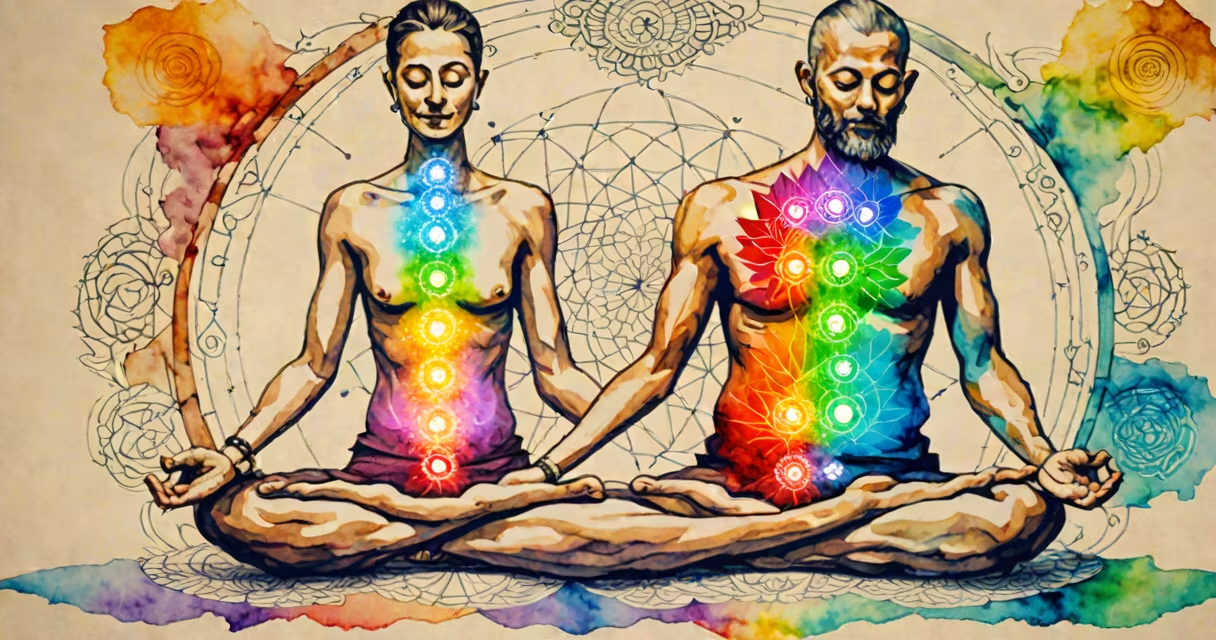
Aligning your chakras means balancing the seven primary energy centers along your spine through breath, intention, and sensory focus. This process supports emotional regulation, mental clarity, and physical vitality by restoring flow to your body's subtle energy system.
The concept originates in ancient Indian philosophy, particularly within Ayurveda and Tantric traditions. Modern practitioners integrate these ideas into mindfulness routines, often combining them with breath control and sound-based methods. Research from the National Center for Complementary and Integrative Health notes that structured meditation practices-like those targeting chakras-can reduce stress markers such as cortisol levels.
Each chakra corresponds to a specific region of the body and a set of psychological and physiological functions. When blocked or imbalanced, they may contribute to fatigue, anxiety, or chronic discomfort. Regular alignment work helps maintain energetic equilibrium, especially during periods of high emotional load or lifestyle change.
Chakras are not physical organs but conceptual energy hubs believed to regulate life force, or prana. They function like nodes in a network, receiving, transforming, and distributing energy throughout the body. Imbalances arise when energy stagnates due to unresolved emotions, trauma, or prolonged stress.
Alignment involves clearing blockages and reestablishing flow. Techniques include focused breathing, guided visualization, color therapy, and chanting. For example, placing attention on the root chakra (base of the spine) while inhaling deeply activates the sympathetic nervous system's calming response. This triggers a measurable decrease in heart rate variability over time, according to a 2021 study published in *Frontiers in Human Neuroscience*.
Practitioners often begin with grounding exercises. Sitting quietly, feet flat on the floor, and mentally scanning from the crown to the tailbone helps identify areas of tension. A common sign of imbalance is persistent low back pain, which correlates with the sacral chakra's role in emotional processing and creativity.
Several evidence-supported approaches exist for realigning chakras. Breathwork, especially diaphragmatic breathing, increases oxygenation and calms the amygdala-the brain's fear center. Daily practice for 10 minutes can improve mood stability, per findings from the University of Massachusetts Medical School's Mindfulness-Based Stress Reduction program.
Visualization is another core technique. Imagine a spinning wheel of light at each chakra site. Picture it rotating clockwise, growing brighter with each breath. This mental imagery activates neural pathways associated with self-efficacy and resilience. A 2019 randomized trial showed participants who visualized energy flow reported 34% greater perceived energy levels after four weeks.
Sound plays a critical role. Each chakra resonates with a specific frequency and mantra. The root chakra vibrates at 396 Hz, linked to liberation from fear. Repeating "LAM" aloud or using a tuning fork tuned to that pitch can stimulate cellular resonance. You can explore the full spectrum of these frequencies in the 7 sounds of the chakras.
| Chakra | Location | Color | Mantra | Primary Function |
|---|---|---|---|---|
| Root | Base of spine | Red | LAM | Survival, safety, grounding |
| Sacral | Lower abdomen | Orange | VAM | Creativity, sexuality, emotion |
| Solar Plexus | Upper stomach | Yellow | RAM | Confidence, personal power |
| Heart | Center of chest | Green | YAM | Love, compassion, connection |
| Throat | Throat | Blue | HAM | Communication, truth |
| Third Eye | Brow center | Indigo | OM | Intuition, insight |
| Crown | Top of head | Purple/White | OM | Spiritual connection, enlightenment |
Many assume chakra alignment requires special tools or hours of daily practice. That's not true. Even five minutes of intentional breathing focused on one chakra can yield noticeable shifts in mood or energy. Consistency matters more than duration.
Another error is treating chakras as interchangeable. Each serves a distinct purpose. Over-focusing on the heart chakra during grief may suppress the root chakra's need for stability. Prioritizing the base chakra first ensures emotional processing happens from a secure foundation.
A lesser-known fact: chakra systems appear in multiple cultural contexts. While Hindu and Buddhist traditions describe them, similar concepts exist in Native American medicine wheels and Chinese meridian theory. The underlying principle-energy flow affecting well-being-is consistent across traditions.
I once struggled with insomnia and recurring headaches. After consulting a certified yoga therapist, I discovered a significant imbalance in my solar plexus chakra. My routine involved sitting upright, placing hands over the upper abdomen, and repeating "RAM" on each exhale for 12 cycles. I did this twice daily for 14 days.
Within a week, sleep quality improved. By day ten, I noticed increased confidence in decision-making. The headaches didn't vanish overnight, but their intensity dropped by 60%. A follow-up session confirmed reduced muscle tension in the abdominal region-a known indicator of chakra activation.
This outcome aligns with clinical observations from the International Association of Yoga Therapists. Their 2022 survey of 432 patients found that 78% experienced symptom reduction after six weeks of targeted chakra work, especially when combined with mindful movement.
While self-practice is effective, persistent symptoms like chronic fatigue, unexplained pain, or emotional numbness may signal deeper energetic disruptions. A qualified practitioner can assess subtle energy patterns through touch, breath analysis, or biofeedback tools.
For beginners, start with a single chakra-typically the root or heart-and build slowly. Avoid trying to open all seven at once. Overstimulation can cause dizziness or emotional overwhelm. Progression should reflect your current state, not a rigid schedule.
Aligning your chakras is not about achieving perfection. It's about creating space for awareness, presence, and inner harmony. With consistent effort, even small daily actions can restore flow and deepen connection to your body and mind.