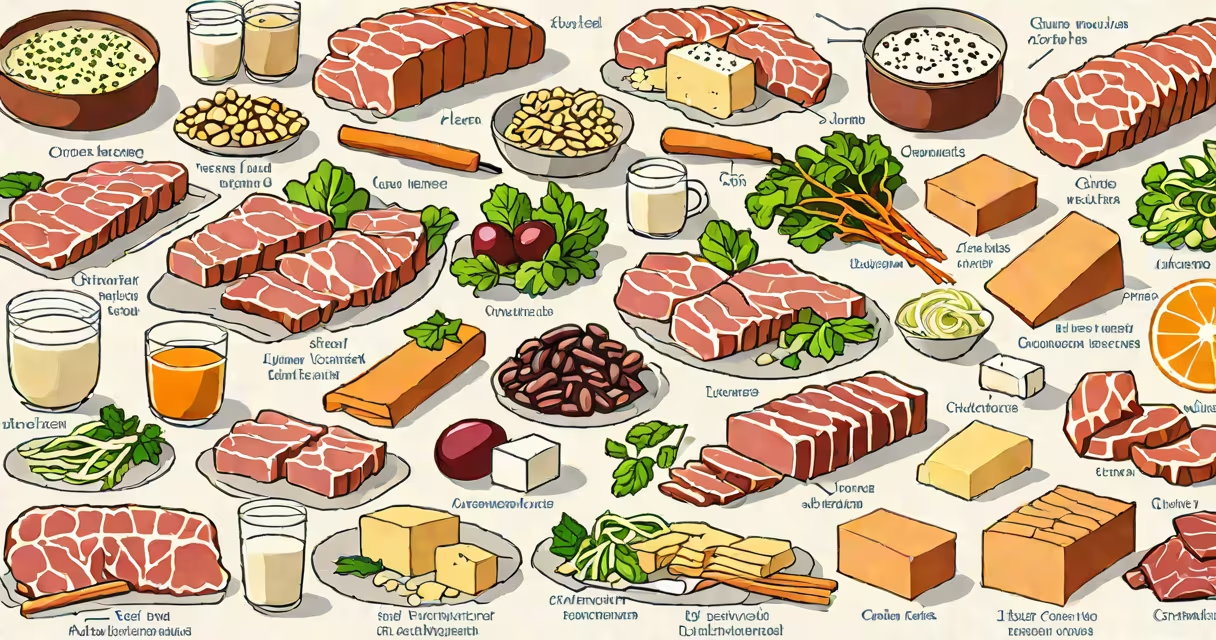
Listeria foods to avoid include ready-to-eat deli meats, soft cheeses made from unpasteurized milk, raw sprouts, and refrigerated pâtés. These items can harbor Listeria monocytogenes bacteria even when stored below 40°F, posing serious health risks-especially to pregnant people, older adults, and those with weakened immune systems.
Listeria monocytogenes thrives in cold environments, making refrigeration ineffective at killing it. Unlike most foodborne pathogens, Listeria can grow slowly at refrigerator temperatures. This allows contaminated foods to remain dangerous for weeks past their sell-by date. The CDC reports that listeriosis causes about 1,600 illnesses and 260 deaths annually in the U.S., with a fatality rate of nearly 20% among those infected.
High-risk foods are often processed or handled in ways that allow cross-contamination during production. For example, deli slicers used on multiple meats can transfer Listeria between products. A 2018 outbreak linked to deli turkey resulted in 37 confirmed cases and 8 deaths across 13 states, according to the FDA.
Listeria enters the food supply through soil, water, or animal feces. It then spreads via processing equipment, unsanitized surfaces, or improper handling. Once in a facility, it can persist for years in drains, floors, and machinery. The USDA notes that Listeria can survive in biofilms-microbial communities embedded in crevices-making cleaning difficult.
Contamination often occurs during slicing, packaging, or storage. Deli meats are particularly vulnerable because they're sliced on shared equipment and stored in bulk. A single contaminated slice can introduce the bacteria into a whole package. Soft cheeses like brie or camembert are risky because they're aged at low temperatures, creating ideal conditions for Listeria growth.
Raw sprouts-alfalfa, radish, and bean sprouts-are especially dangerous. They're grown in warm, moist conditions perfect for bacterial proliferation. The FDA estimates that sprouts account for 10% of all foodborne illness outbreaks linked to produce, despite representing less than 1% of fresh vegetable consumption.
The following table outlines high-risk foods based on CDC and FDA guidelines. Each category includes specific examples and known outbreak associations.
| Foods to Avoid | Why Risky | Outbreak Example |
|---|---|---|
| Deli meats (turkey, ham, roast beef) | Sliced on shared equipment; stored cold but still supports growth | 2018: 37 cases linked to turkey slices; 8 deaths |
| Soft cheeses (brie, feta, blue cheese) | Often made from unpasteurized milk; pH and moisture support growth | 2012: 14 cases from Mexican-style cheese; 3 deaths |
| Raw sprouts (alfalfa, clover, radish) | Grown in warm, humid conditions; seeds can be contaminated pre-harvest | 2015: 33 cases from imported sprouts; 1 death |
| Refrigerated pâté and meat spreads | Stored chilled; pH levels favor bacterial survival | 2008: 13 cases from smoked salmon pâté; 2 deaths |
| Unpasteurized milk and dairy products | Direct exposure to farm animals; no heat treatment | 2019: 12 cases from raw milk cheese; 1 death |
Not all deli meats are equally risky. Pre-packaged, sealed meats labeled "ready-to-eat" may have lower contamination rates due to stricter sanitation protocols. However, once opened, they must be consumed within 3-5 days or reheated to 165°F to kill potential Listeria.
Many assume that cooking kills Listeria-but this is false for certain foods. Reheating deli meats to 165°F reduces risk, but soft cheeses and raw sprouts cannot be safely cooked without altering texture or safety. A 2020 study in the Journal of Food Protection found that heating soft cheese to 165°F did not eliminate Listeria in 40% of samples due to uneven heat distribution.
Another misconception is that only expired foods are dangerous. Listeria can grow in foods well within their expiration dates. A 2017 FDA investigation revealed that 12% of deli meats tested positive for Listeria-even when stored at 38°F and sold within 5 days of production.
Some people believe that washing sprouts removes Listeria. This is incorrect. The bacteria live inside the seed and root system. Washing only removes surface contaminants. The FDA explicitly warns against relying on rinsing to prevent illness from sprouts.
In 2018, a multistate outbreak traced to sliced turkey from a major grocery chain sickened 37 people. The strain matched Listeria isolated from a processing plant in Pennsylvania. Despite proper refrigeration, the bacteria grew in the sliced product over time.
One victim, a 72-year-old woman with diabetes, developed meningitis and died within two weeks of symptom onset. Her doctor later confirmed the infection was caused by Listeria from deli turkey she had eaten at lunch. She had no prior history of foodborne illness.
This case illustrates that even healthy individuals can be affected, though the risk is highest for those with compromised immunity. The CDC recommends that high-risk groups avoid all ready-to-eat deli meats unless reheated to 165°F.
To reduce exposure, avoid all ready-to-eat deli meats, soft cheeses, raw sprouts, and unpasteurized dairy. If consuming these items, reheat deli meats to 165°F and avoid soft cheeses unless labeled "pasteurized."
I once prepared a meal for my elderly mother, who has autoimmune arthritis. I used pre-sliced turkey from the deli counter. After learning about listeria risks, I now either cook fresh turkey or buy vacuum-sealed, pasteurized options. I also double-check labels for "pasteurized" on cheese and avoid all sprouts unless they're pre-washed and cooked.
When shopping, always read ingredient labels. Look for "pasteurized" on dairy products and avoid anything labeled "ready-to-eat" if you're in a high-risk group. The FDA recommends discarding any perishable food left out for more than two hours-or one hour if the temperature exceeds 90°F.
Understanding listeria foods to avoid is essential for preventing severe infections. High-risk items include deli meats, soft cheeses, raw sprouts, and unpasteurized dairy. These foods can harbor Listeria monocytogenes even when refrigerated, leading to life-threatening complications. By identifying and avoiding them, you reduce your risk of illness.