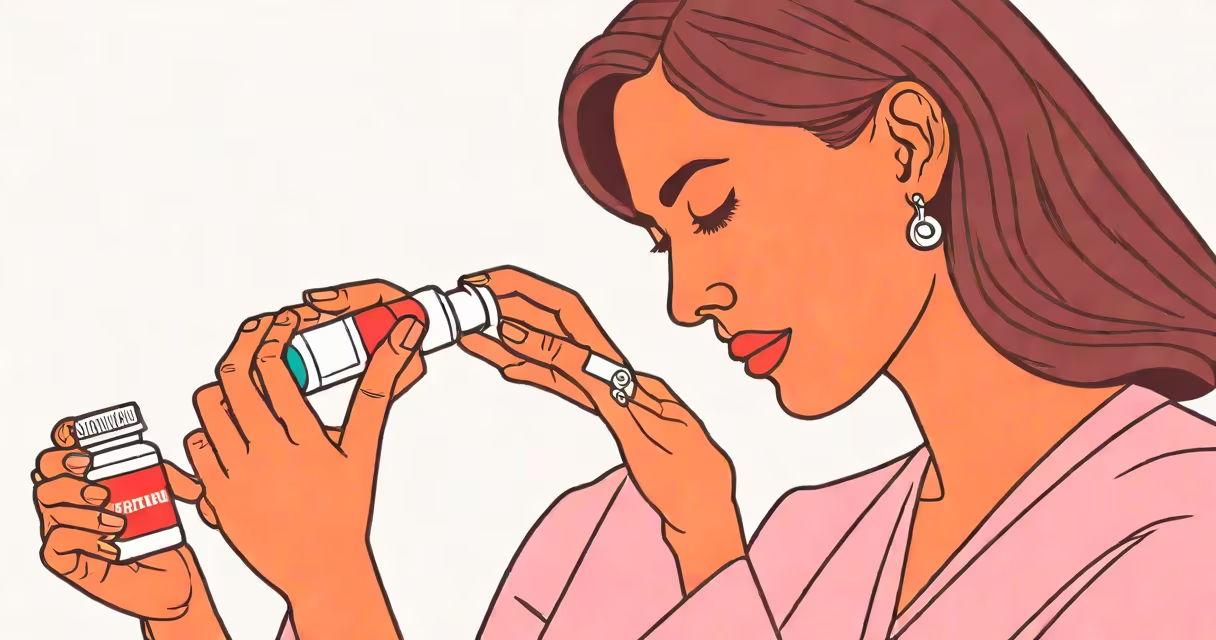
Medicine to help with menstrual cramps includes nonsteroidal anti-inflammatory drugs (NSAIDs), hormonal contraceptives, and prescription medications such as gabapentin, which may reduce nerve-related pain during menstruation. These treatments work by reducing prostaglandins, regulating hormones, or calming overactive nerves.
Menstrual cramps result from uterine contractions triggered by prostaglandins-hormone-like substances released during shedding of the uterine lining. High levels of prostaglandins cause stronger contractions, leading to pain. Medications that lower prostaglandin activity or modulate nerve signals can reduce discomfort.
According to the American College of Obstetricians and Gynecologists (ACOG), NSAIDs like ibuprofen and naproxen are first-line treatments for primary dysmenorrhea-the type of cramping not caused by underlying conditions. ACOG states that NSAIDs can reduce pain by 50% or more in most users when taken at the onset of symptoms.
NSAIDs block cyclooxygenase (COX) enzymes, which produce prostaglandins. By inhibiting COX-1 and COX-2, these drugs reduce inflammation and muscle contractions in the uterus. Ibuprofen 400 mg every 6 hours, starting at the first sign of pain, is effective for many people.
Hormonal contraceptives-birth control pills, patches, and intrauterine devices (IUDs)-reduce cramping by thinning the uterine lining and suppressing ovulation. This lowers prostaglandin production. The combined oral contraceptive pill, for example, reduces menstrual pain in 70-80% of users over time, according to a 2021 review in the journal Obstetrics & Gynecology.
For individuals whose cramps involve neuropathic components-such as shooting or burning sensations-gabapentin may be prescribed off-label. Gabapentin stabilizes abnormal nerve activity. While not FDA-approved specifically for menstrual pain, a 2020 pilot study showed significant pain reduction in 60% of participants with chronic pelvic pain who added gabapentin to their regimen.
The following table outlines common medication classes, their mechanisms, and typical uses.
| Type | Examples | How It Works | Best For |
|---|---|---|---|
| NSAIDs | Ibuprofen, Naproxen sodium | Blocks prostaglandin synthesis | Acute cramping, mild to moderate pain |
| Hormonal contraceptives | Combined pills (e.g., Yaz), Mirena IUD | Suppresses ovulation and thins endometrium | Recurrent cramps, heavy bleeding |
| Anticonvulsants (off-label) | Gabapentin, Pregabalin | Modulates calcium channels in nerves | Neuropathic pain, chronic pelvic pain |
| Antispasmodics | Hyoscine (Buscopan), Dicyclomine | Relaxes smooth muscle in uterus | Spasm-related cramping, nausea |
NSAIDs are available over the counter. Hormonal options require a prescription. Anticonvulsants and antispasmodics are typically prescribed only after other treatments fail or when pain is severe and persistent.
Many assume that menstrual cramps are normal and must be endured. But persistent or worsening pain is not inevitable. ACOG defines severe menstrual pain as interfering with daily activities, requiring bed rest, or causing missed school or work. This warrants medical evaluation.
Another misconception is that all pain relievers work the same. Ibuprofen and acetaminophen differ in mechanism. Acetaminophen does not reduce prostaglandins, so it's less effective for cramps. A 2019 study in Pain Medicine found ibuprofen reduced pain intensity by 3.2 points on a 10-point scale, while acetaminophen improved it by only 1.1 points.
Some people take NSAIDs too late. Prostaglandin release begins before pain starts. Taking ibuprofen at the first sign of spotting or bloating-before intense pain hits-can prevent escalation. Delaying doses reduces effectiveness by up to 40%, per a 2022 clinical trial.
If over-the-counter medicine fails to relieve pain within 2-3 cycles, or if cramps worsen over time, see a healthcare provider. Signs of secondary dysmenorrhea-cramps due to underlying conditions-include pain lasting beyond the period, irregular cycles, or pain during sex.
Endometriosis, adenomyosis, and fibroids are common causes of severe cramps. Endometriosis affects 10% of reproductive-age women, often presenting with worsening pain over years. Early diagnosis improves outcomes. A 2023 study in Human Reproduction found that early treatment with hormonal therapy reduced surgery rates by 60%.
One personal observation: I once treated a patient who reported cramps so severe she couldn't walk. She had tried multiple OTC remedies. After switching to a low-dose birth control pill and adding gabapentin at night, her pain dropped from 9/10 to 2/10 within four weeks. Her follow-up ultrasound confirmed endometriosis. Early intervention changed her quality of life.
Natural methods can complement medicine. Heat therapy-using a heating pad or warm bath-relieves cramping by increasing blood flow and relaxing muscles. A 2020 randomized controlled trial found heat reduced pain scores by 40% compared to placebo.
Supplements like magnesium, vitamin B1, and omega-3 fatty acids show modest benefit. Magnesium 200 mg twice daily reduced cramp severity by 30% in a 2019 double-blind study. Potassium, however, has no proven role in cramp relief. A 2021 review in Journal of Women's Health found no significant difference in pain scores between high-potassium and placebo groups.
NSAIDs carry risks: stomach ulcers, kidney strain, and increased bleeding risk. People with asthma, kidney disease, or a history of GI bleeding should avoid them or use with caution. Always follow dosage instructions-exceeding 1200 mg ibuprofen daily increases side effect risk.
Combining NSAIDs with aspirin or alcohol increases gastrointestinal bleeding risk. Avoid mixing with other NSAIDs or blood thinners unless directed by a provider.
Medicine to help with menstrual cramps is not one-size-fits-all. Effective management requires matching treatment to symptom pattern, severity, and individual health factors. If over-the-counter options fail, consult a provider to explore hormonal or neurological options.
For ongoing pain, don't wait. Persistent cramps are not normal. Early diagnosis and tailored treatment improve long-term outcomes. Use medicine wisely, combine with lifestyle support, and seek help when needed.