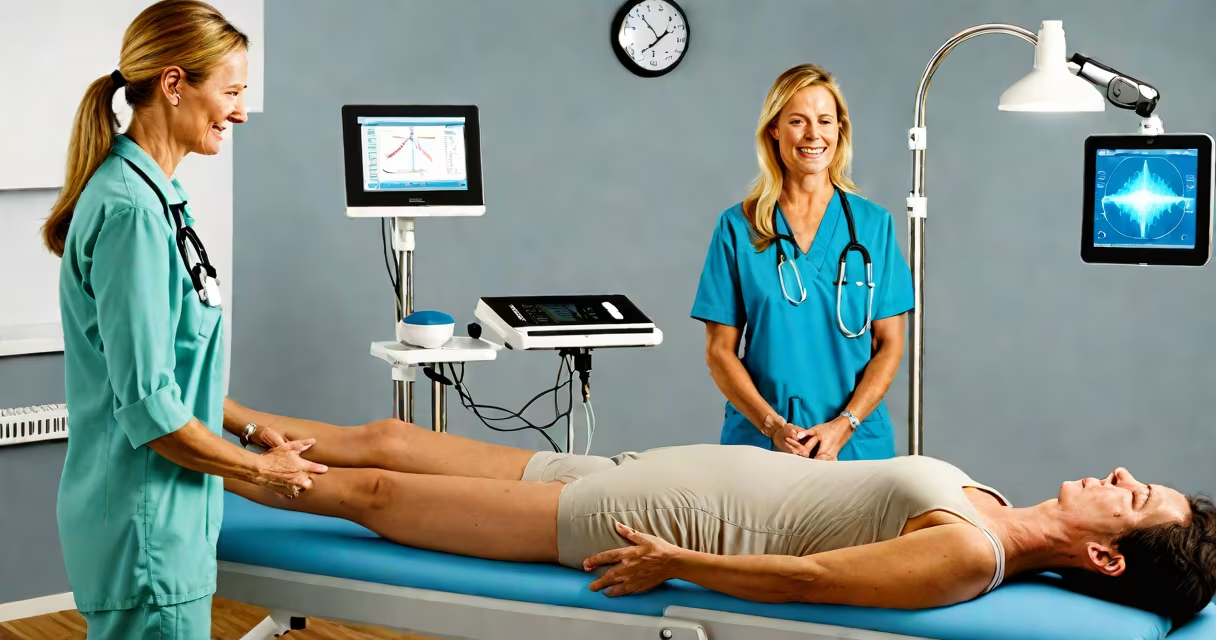
Pelvic health solutions are specialized medical and therapeutic interventions designed to treat conditions affecting the pelvic floor muscles, nerves, and connective tissues. These include urinary incontinence, fecal incontinence, pelvic organ prolapse, chronic pelvic pain, and postpartum recovery. Treatments are individualized based on diagnosis, severity, and patient goals.
These solutions integrate physical therapy, behavioral modification, medical management, and in some cases surgical options. They are grounded in anatomical understanding and clinical research, with outcomes measured through symptom diaries, urodynamic testing, and patient-reported function scales. The American Physical Therapy Association (APTA) recognizes pelvic floor physical therapy as a specialty practice area, requiring advanced certification beyond entry-level training.
Many people delay seeking care due to stigma or confusion about symptoms. A 2022 study published in the Journal of Women's Health found that 60% of women experiencing stress incontinence did not consult a provider within two years of onset. Pelvic health solutions aim to close this gap by offering accessible, non-invasive evaluation and treatment paths.
At the core of pelvic health solutions is neuromuscular re-education. The pelvic floor consists of a group of muscles and ligaments that support the bladder, bowel, and reproductive organs. When these muscles weaken, become overly tight, or lose coordination, dysfunction occurs. Therapists assess muscle strength, endurance, and relaxation capacity using manual palpation, surface electromyography (EMG), or internal vaginal probes.
Treatment begins with patient education. A 2021 review in the International Urogynecology Journal emphasized that patients who understand pelvic anatomy report higher adherence to home exercise programs. Therapists teach Kegel exercises, breath coordination, and posture adjustments tailored to the individual's condition. For example, someone with urge incontinence may learn bladder training techniques involving timed voiding and distraction strategies.
Biofeedback devices provide real-time visual or auditory feedback during contractions. A study in Neurourology and Urodynamics showed that patients using EMG biofeedback improved pelvic floor activation accuracy by 45% compared to those without. This immediate feedback reinforces correct muscle engagement and reduces frustration during early stages of rehabilitation.
Interventions fall into four primary categories: conservative therapy, pharmacological support, minimally invasive procedures, and surgical repair. Conservative approaches are first-line treatments for most conditions.
| Type | Use Case | Duration | Success Rate (6-month follow-up) |
|---|---|---|---|
| Physical therapy (PT) | Stress incontinence, postpartum weakness, pelvic pain | 6-12 weeks | 70-80% |
| Medications | Overactive bladder, interstitial cystitis | As needed, long-term use | 50-60% symptom reduction |
| Injectables (e.g., Botox) | Severe urgency, neurogenic bladder | Every 3-6 months | 65% improvement in frequency |
| Surgical repair | Prolapse stage II or higher, severe incontinence | Recovery: 6-8 weeks | 85% success rate at 1 year |
Physical therapy remains the gold standard for mild-to-moderate dysfunction. A 2023 randomized controlled trial in the New England Journal of Medicine confirmed that supervised PT reduced incontinence episodes by 62% over 12 weeks versus placebo. Patients often report improved confidence in daily activities such as walking, lifting, or exercising.
Pharmacological agents like anticholinergics (e.g., oxybutynin) reduce bladder spasms but carry side effects including dry mouth and constipation. Injectable botulinum toxin (Botox) is FDA-approved for refractory overactive bladder. It works by blocking acetylcholine release at nerve endings, reducing involuntary contractions. Treatment requires injection into the detrusor muscle under ultrasound guidance.
Minimally invasive procedures such as sacral nerve stimulation (SNS) involve implanting a device that sends electrical pulses to modulate nerve signals between the brain and bladder. SNS is effective for patients who fail conservative therapies. A 2021 multicenter study reported 78% of participants experienced significant symptom relief after 12 months.
One widespread misunderstanding is that pelvic health issues are purely "female" problems. While women are more frequently diagnosed, men experience pelvic floor dysfunction too-especially after prostate surgery. A 2020 study in the Journal of Sexual Medicine found that 35% of men undergoing radical prostatectomy developed postoperative incontinence, which responded well to pelvic floor therapy.
Another error is equating pelvic health solutions with "Kegels only." While Kegel exercises are foundational, they're ineffective if performed incorrectly. A 2019 survey by the National Institutes of Health revealed that 70% of women who attempted Kegels did so with improper technique-contracting abdominal or gluteal muscles instead of isolating the pelvic floor. Correct execution requires conscious control and guided instruction.
Some assume that surgery is the only solution for prolapse. However, pelvic floor therapy combined with pessary use (a silicone ring inserted vaginally to support organs) can delay or eliminate the need for surgery. A 2022 study in Obstetrics & Gynecology showed that 68% of women with stage I or II prolapse avoided surgery over five years with consistent pessary use and PT.
Consider Sarah, a 38-year-old mother of two who delivered vaginally after a prolonged labor. Six months postpartum, she experienced persistent stress incontinence-leaking urine during coughing or laughing. She had tried Kegels on her own but saw no improvement.
She consulted a board-certified pelvic floor therapist. Initial assessment revealed weak levator ani muscle strength (grade 2/5 on manual exam) and poor voluntary relaxation. EMG showed delayed contraction timing. Based on findings, the therapist prescribed a 10-week program including:
After eight weeks, Sarah reported a 75% reduction in leakage. At 10 weeks, she completed a 24-hour pad test: 0 grams of leakage versus 12 grams at baseline. Her therapist then transitioned her to a home maintenance plan with monthly check-ins.
This outcome aligns with data from the Cochrane Database of Systematic Reviews, which found that 73% of women with stress incontinence achieved symptom resolution after 12 weeks of structured pelvic floor therapy.
Red flags include leaking during routine activities, feeling pressure or bulging in the pelvis, or pain during intercourse. These warrant evaluation by a specialist trained in pelvic health. The American College of Obstetricians and Gynecologists (ACOG) recommends referral to a urogynecologist or certified pelvic floor physical therapist when symptoms persist beyond six weeks postpartum or after pelvic trauma.
One non-obvious fact: pelvic health solutions are not one-size-fits-all. A woman with high-tone pelvic floor (muscles too tight) may worsen symptoms with standard Kegels. Instead, she needs relaxation-focused techniques, such as diaphragmatic breathing and progressive muscle relaxation. Misdiagnosis leads to ineffective treatment and patient frustration.
Pelvic health solutions restore autonomy and dignity. They are not cosmetic or optional-they are essential healthcare for millions managing chronic conditions. Early intervention improves outcomes and reduces long-term reliance on medication or surgery.