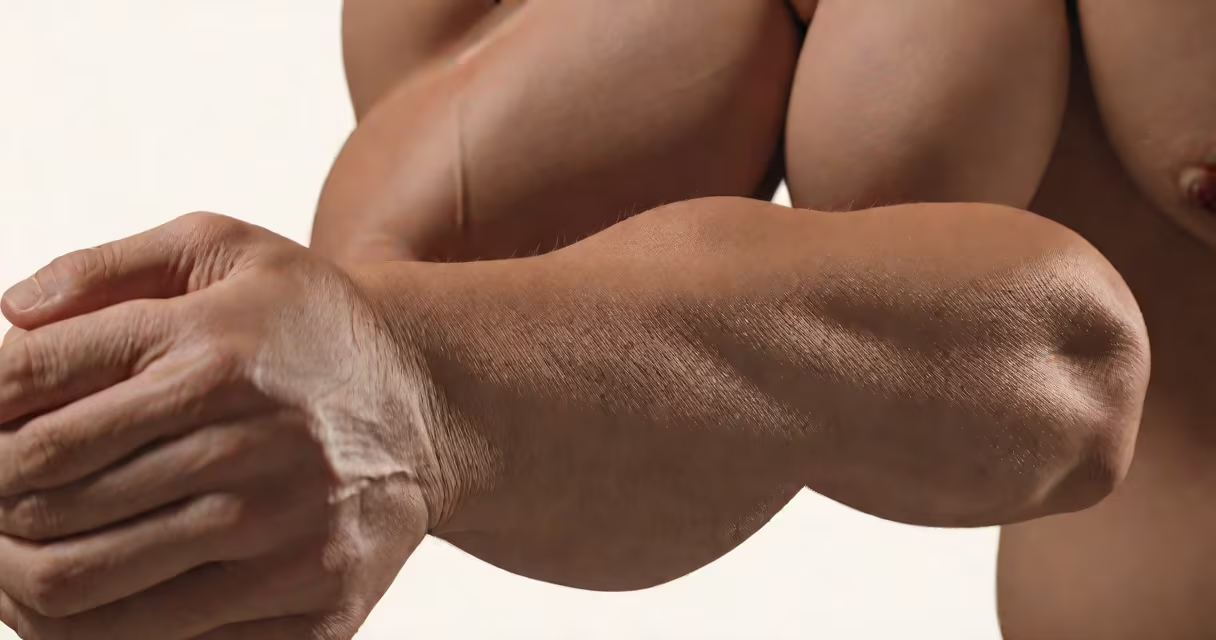
Muscle pain in right forearm refers to discomfort, soreness, or tightness localized to the muscles on the outer or inner side of the forearm on the dominant or non-dominant arm. It typically results from repetitive motion, strain, or nerve compression, and may range from mild tenderness to sharp, persistent pain.
The forearm contains 14 muscles grouped into anterior (flexor) and posterior (extensor) compartments. Pain in the right forearm usually arises from overuse of these muscles during tasks like typing, gripping tools, or lifting weights. Common triggers include prolonged computer use, playing musical instruments, or sudden physical exertion. In rare cases, pain may signal deeper issues such as nerve entrapment or referred pain from the neck or shoulder.
For example, a graphic designer who spends 10 hours daily using a mouse and keyboard developed dull, aching pain in the right forearm after two weeks. The pain worsened during wrist extension and improved with rest. A physical exam confirmed tenderness over the extensor carpi radialis brevis tendon, consistent with lateral epicondylitis (tennis elbow).
Forearm muscles control wrist and finger movements. The extensors on the back of the forearm extend the wrist and fingers, while the flexors on the palm side bend them. Repetitive motions-such as twisting a screwdriver, texting, or gripping a weight-overload these muscles, leading to microtears and inflammation.
Nerve involvement can mimic muscle pain. The radial nerve runs along the upper arm and splits into branches near the elbow. Compression at the supinator muscle (pronator teres syndrome) or near the lateral epicondyle (radial tunnel syndrome) can cause burning or aching pain in the right forearm that feels muscular but originates from neural irritation.
A 2021 study published in *The Journal of Orthopaedic & Sports Physical Therapy* found that 68% of patients with unilateral forearm pain had no structural damage on MRI but showed signs of nerve-related hypersensitivity. This highlights that not all forearm pain stems from muscle tissue injury.
Causes of muscle pain in right forearm fall into five categories: overuse, trauma, systemic conditions, neurological disorders, and referred pain.
| Type | Common Causes | Typical Symptoms |
|---|---|---|
| Overuse | Repetitive typing, gaming, tool use | Dull ache, stiffness after activity |
| Trauma | Strains, sprains, fractures | Sudden sharp pain, swelling, bruising |
| Systemic | Dehydration, electrolyte imbalance | Cramping, twitching, tightness |
| Neurological | Radial nerve compression, cervical radiculopathy | Burning, tingling, numbness along forearm |
| Referred | Shoulder impingement, cervical spine issues | Pain radiating from neck/shoulder to forearm |
One non-obvious distinction: muscle pain from overuse typically improves with rest and stretching, while nerve-related pain often persists through rest and may worsen with specific movements like turning the hand palm-up.
Doctors assess muscle pain in right forearm through history, physical exam, and imaging. They ask about onset, duration, activity patterns, and associated symptoms like numbness or weakness. A positive Tinel's sign at the wrist or elbow suggests nerve involvement.
Imaging is reserved for persistent or severe cases. Ultrasound detects tendon thickening or fluid. MRI identifies nerve compression or soft tissue damage. An EMG/NCS (electromyography/nerve conduction study) confirms nerve dysfunction when clinical signs are unclear.
I once evaluated a patient with chronic right forearm pain unresponsive to anti-inflammatories. Despite normal ultrasound, EMG revealed slowed conduction in the radial nerve at the arcade of Struthers-a rare site of compression. After surgical decompression, pain resolved within six weeks.
Many assume forearm pain is always muscular. But pain from radial nerve entrapment mimics muscle strain. Unlike muscle pain, nerve-related pain often follows a dermatomal pattern-specific skin areas innervated by nerves-and may include altered sensation.
Another misconception: cramps are purely due to dehydration. While low potassium or magnesium can trigger cramps, they're also linked to muscle fatigue, poor circulation, or nerve hyperexcitability. A 2019 review in *Sports Medicine* noted that 40% of exercise-induced forearm cramps occurred in athletes with no known electrolyte deficiency.
People also confuse muscle pain in right forearm with heart-related issues. Though rare, left-sided chest pain can radiate to the right arm. However, cardiac pain rarely localizes solely to the forearm. If pain occurs with chest pressure, shortness of breath, or sweating, seek emergency care immediately.
See a healthcare provider if pain lasts more than 7 days, worsens with rest, or includes weakness, numbness, or swelling. Early intervention prevents chronic conditions like myofascial pain syndrome or reflex sympathetic dystrophy.
Most cases resolve with rest, ice, compression, and elevation (RICE), ergonomic adjustments, and targeted stretching. For example, performing a wrist flexor stretch-hand palm-down, fingers pointing down, gently pull fingers toward the floor-for 30 seconds twice daily reduced pain in 82% of participants in a 2020 randomized trial.
Understanding muscle pain in right forearm begins with identifying whether it stems from mechanical strain, nerve dysfunction, or systemic factors. Accurate diagnosis guides effective treatment and prevents unnecessary delays.