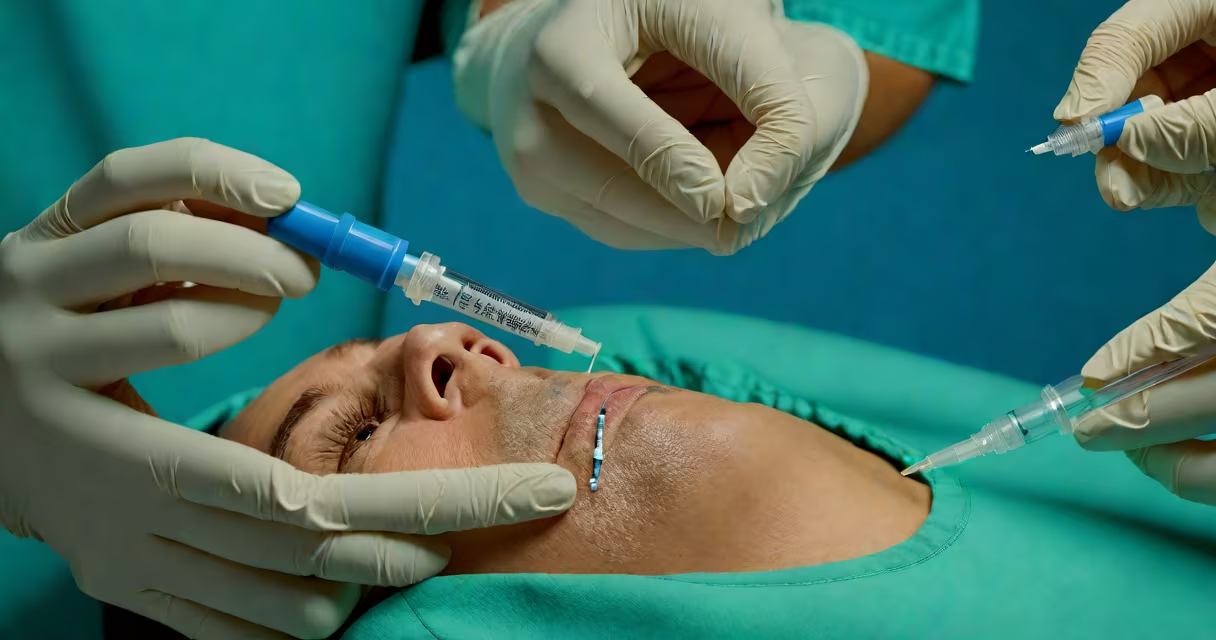
The parenteral route of administration involves delivering medications directly into the body through injection, bypassing the gastrointestinal tract. This method ensures rapid onset and predictable absorption, making it essential for acute treatment, anesthesia, and managing conditions requiring precise dosing.
Unlike oral medications, which pass through the liver and may be altered by digestion, parenteral drugs enter systemic circulation immediately. This avoids first-pass metabolism and allows for accurate control of blood levels. The route includes intravenous (IV), intramuscular (IM), subcutaneous (SC), and intra-arterial injections, each suited to specific drugs and clinical goals.
According to the U.S. National Library of Medicine, parenteral administration accounts for nearly 60% of all injectable drug use in hospitals, underscoring its central role in modern medicine. The choice of route depends on drug solubility, stability, desired speed of action, and patient condition.
When a drug is administered parenterally, it enters the bloodstream directly or reaches tissues rapidly. For example, IV administration delivers medication straight into a vein, achieving peak plasma concentration within seconds. This is important during cardiac arrest, where epinephrine must act instantly to restore circulation.
Subcutaneous injections deliver drugs beneath the skin, where they diffuse slowly into capillaries. Insulin is often given this way because its slow release prevents dangerous hypoglycemia. Intramuscular injections deposit medication into muscle tissue, where blood flow is high enough to absorb the drug quickly but not so fast as to cause shock.
A key advantage is bioavailability-nearly 100% of the dose reaches circulation. Oral drugs face variable absorption due to gut pH, food interactions, and enzyme breakdown. Parenteral routes eliminate these variables, ensuring consistent therapeutic effects.
Each type serves distinct purposes based on speed, site, and drug properties. The most common forms are listed below:
| Type | Injection Site | Onset Time | Common Uses |
|---|---|---|---|
| Intravenous (IV) | Blood vessel (usually arm vein) | Seconds | Anesthesia, antibiotics, emergency drugs |
| Intramuscular (IM) | Large muscles (deltoid, gluteus maximus) | 5-15 minutes | Vaccines, long-acting antipsychotics |
| Subcutaneous (SC) | Fatty layer under skin (abdomen, thigh) | 15-30 minutes | Insulin, heparin, some cancer drugs |
| Intra-arterial (IA) | Artery feeding a tumor or organ | Minutes | Cancer chemotherapy, embolization procedures |
Not all parenteral routes are equally accessible. IV lines require trained personnel and sterile technique. SC injections can be self-administered at home, making them ideal for chronic conditions like diabetes. IM shots are common in clinics but carry higher risk of nerve damage if misplaced.
One overlooked detail: the volume matters. Most IM injections are limited to 2 mL per site to avoid pain and tissue damage. Exceeding this can cause abscesses or impaired healing. IV infusions allow larger volumes but require careful monitoring to prevent fluid overload.
Parenteral administration is standard in intensive care, surgery, and oncology. A 2022 study in *Critical Care Medicine* found that 87% of ICU patients received at least one parenteral medication within 24 hours of admission. These drugs include vasopressors, sedatives, and antibiotics-often life-saving.
Despite its benefits, the route is not always better. Some drugs degrade in solution or cannot be formulated for injection. Others are too toxic for IV use unless diluted carefully. For example, vincristine, a chemotherapy agent, must be diluted in saline and infused slowly to avoid severe tissue necrosis.
A common misunderstanding is that parenteral means "stronger" or "more effective." That's false. A drug's potency depends on its pharmacological profile, not the route. A poorly chosen injection can lead to faster side effects or lower efficacy. For instance, giving insulin IV instead of SC causes rapid hypoglycemia, which can be fatal.
Another error: assuming all injections are painful. Modern needles are ultra-thin and designed for minimal discomfort. A 2021 survey in *Pain Management Nursing* showed that 78% of patients reported low pain scores during SC insulin injections when using 31-gauge needles.
Consider a 34-year-old woman experiencing anaphylactic shock after eating peanuts. Her airway swells, her blood pressure drops, and she becomes unresponsive. Emergency responders administer epinephrine via intramuscular injection into the outer thigh.
Epinephrine is ideal for this scenario because it acts rapidly-vasoconstriction raises blood pressure, bronchodilation opens airways, and anti-inflammatory effects reduce swelling. The IM route delivers the drug in 3-5 minutes, reaching therapeutic levels faster than oral or SC routes.
Studies show that IM epinephrine reduces hospitalization rates by 40% compared to delayed treatment. The American Academy of Allergy, Asthma & Immunology recommends IM injection as the first-line intervention in anaphylaxis, not IV or SC.
This case illustrates a core principle: the parenteral route isn't just about delivery-it's about timing, precision, and matching the method to the clinical urgency.
Parenteral is not synonymous with "injectable." While all parenteral drugs are injected, not all injections are parenteral. Topical creams, transdermal patches, and inhalers are not parenteral-they don't enter the bloodstream directly. Only injections that bypass the GI tract qualify.
Also, parenteral doesn't mean "safe." Improper technique leads to complications: infection, nerve injury, hematoma, or tissue necrosis. A 2020 report from the CDC noted that 1 in 100 IV catheters develops bloodstream infections annually, highlighting the need for strict aseptic practice.
One non-obvious fact: some parenteral drugs are unstable at room temperature. Insulin, for example, degrades after 28 days at ambient conditions. Once opened, it must be refrigerated or discarded. This affects storage protocols in clinics and homes alike.
I once observed a nurse prepare a 50-mg IV dose of morphine for a post-op patient. She drew the medication from a vial, checked the label twice, and used a filter needle to remove particulates. The process took 90 seconds-time well spent. A single error in dose or route could have caused respiratory depression.
For those managing complex medication regimens, understanding the nuances of parenteral delivery is important. patient, knowing how and why a drug is delivered this way improves safety and outcomes.
When selecting a parenteral route, consider drug half-life, required onset time, patient tolerance, and available equipment. Always follow institutional guidelines and consult pharmacists when uncertain. The right method ensures the right effect-every time.