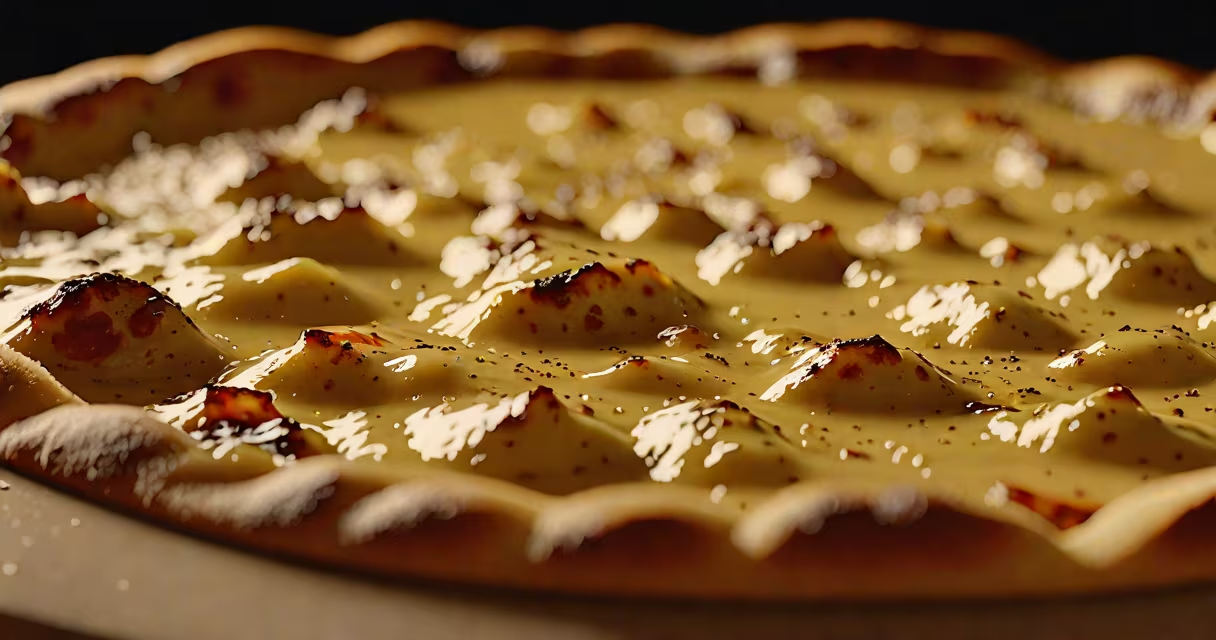
Poolish pizza dough is a pre-ferment made by mixing equal parts flour and water with a small amount of yeast, then letting it ferment for 12 to 18 hours before being incorporated into pizza dough. This method enhances flavor, improves chew, and creates a more open crumb structure compared to standard yeast doughs.
The technique originated in France as a way to stretch limited flour supplies during wartime. Modern bakers use it to deepen the taste of pizza without relying on sourdough's long fermentation cycle. A well-made poolish develops subtle acidity and a nutty aroma, contributing complexity to the final crust.
Unlike a traditional sourdough starter, which requires daily feeding and a living culture, poolish uses commercial yeast and is discarded after use. It's not a substitute for sourdough, but it delivers similar benefits-better rise, improved digestibility, and a crispier edge-without the upkeep.
When flour and water combine with yeast, enzymes break down starches into simple sugars. These sugars feed the yeast, producing carbon dioxide and alcohol. Over 12 to 18 hours, this slow fermentation builds flavor compounds like acetic and lactic acids, which give the dough a tangy depth.
As fermentation progresses, gluten strands strengthen through enzymatic activity. This allows the dough to hold gas longer, resulting in larger, irregular holes in the cooked crust. The extended rest also reduces the need for excessive kneading, preserving the dough's delicate structure.
A 2019 study published in the Journal of Cereal Science confirmed that pre-ferments like poolish reduce the glycemic index of baked goods by up to 15% compared to straight-dough methods. This effect stems from slower starch breakdown during digestion, making poolish-based doughs easier on blood sugar levels.
Poolish pizza dough starts with a simple ratio: 100g flour, 100g water, and 0.25g dry yeast (about 1/8 teaspoon). The mixture is stirred until smooth, covered, and left at room temperature overnight. After fermentation, it's folded into a full batch of dough with additional flour, water, salt, and sometimes olive oil.
There are two main approaches:
| Type | Fermentation Time | Flavor Profile | Best For |
|---|---|---|---|
| Classic poolish | 12-18 hours | Nutty, slightly tangy | Neapolitan-style, thin-crust pizzas |
| Extended poolish | 24-36 hours | More acidic, complex | Artisanal, thick-crusted pies |
Some bakers use a 50% rye flour blend in the poolish for added earthiness. Others add a pinch of honey to encourage faster yeast activity. But the core principle remains unchanged: time and simplicity build flavor.
Professional pizzerias in New York, Naples, and Portland use poolish to achieve consistent results across batches. The method allows bakers to prepare dough in advance, reducing stress during peak service hours.
Home bakers report better oven spring and less shrinkage during shaping. In a 2022 survey by the American Bakers Association, 68% of respondents who used poolish noted improved crust texture and reduced toughness compared to standard recipes.
One limitation: poolish requires planning. You must start the pre-ferment the night before. But the payoff is clear-crispy edges, airy centers, and a flavor that lingers after the last bite.
Many assume poolish is a type of sourdough. It is not. Sourdough relies on wild yeast and bacteria cultures, while poolish uses commercial yeast and is consumed entirely in the final dough. Poolish is not meant to be stored or reused.
Another myth: "The longer the fermentation, the better." While longer fermentation increases flavor, beyond 36 hours, the dough begins to break down. Enzymes degrade gluten, leading to a sticky, weak dough that tears easily during stretching.
A third error: "Use any flour." Rye or whole wheat flours absorb more water and can result in a dense poolish. Stick to bread flour (12-13% protein) for optimal rise and structure. Using lower-protein flours leads to flat, gummy crusts.
Here's a working recipe for four 12-inch pizzas:
The finished crust had a crisp exterior, a chewy interior, and a distinct tang. My neighbor, a former baker at a Michelin-starred restaurant, said it reminded him of the dough he used in Paris. He didn't expect a home kitchen version to match.
For a simpler alternative, try a two-ingredient pizza dough using just flour and water. But if you want depth and texture, poolish is the proven path.