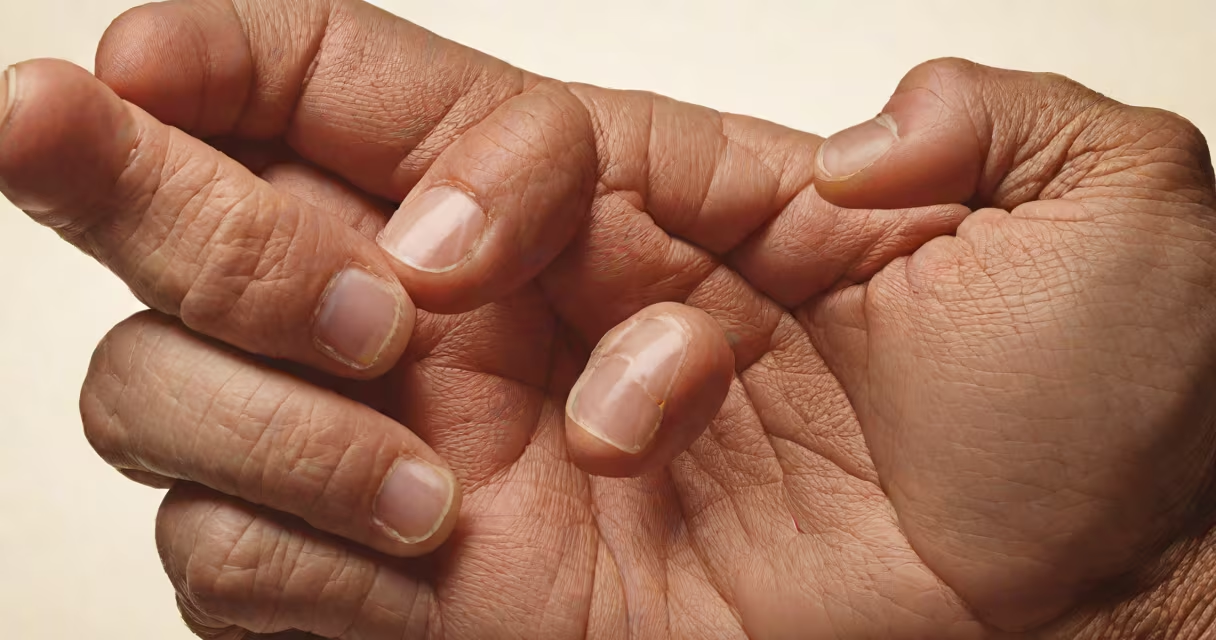
Muscle twitches are brief, involuntary contractions of small muscle groups, typically lasting less than a second. They occur when motor neurons fire spontaneously, causing a localized muscle fiber to contract without conscious control. These movements are usually harmless and resolve on their own.
Most muscle twitches originate in the peripheral nervous system-specifically, in the nerves that connect to skeletal muscles. They result from spontaneous electrical discharges in motor neurons, which send signals to muscle fibers even when no voluntary movement is intended. This happens when the neuron's resting potential becomes unstable due to changes in ion balance or neural excitability.
While often benign, persistent or widespread twitching may signal underlying neurological or metabolic issues. The American Academy of Neurology notes that isolated twitches are common and rarely indicate serious disease, but patterns of frequency, location, and associated symptoms matter in diagnosis.
Each muscle twitch begins in the spinal cord or peripheral nerves. A single motor neuron controls a group of muscle fibers called a motor unit. When the neuron fires an action potential, it releases acetylcholine into the neuromuscular junction. This chemical binds to receptors on the muscle membrane, triggering calcium release and contraction.
For a twitch to occur without intent, the neuron must fire without a command from the brain. This can happen due to minor disruptions in electrolyte levels (like magnesium, potassium, or calcium), dehydration, or fatigue. The nerve may misfire because its membrane potential drops slightly below threshold, leading to a spontaneous impulse.
A single twitch lasts 100-200 milliseconds. You feel it as a quick flicker under the skin, often in the eyelid, calf, or forearm. Because the contraction is minimal and brief, it doesn't cause pain or movement-just a sudden, localized ripple.
The most frequent cause of muscle twitches is lifestyle-related. Stress, lack of sleep, excessive caffeine intake, and physical exertion all increase neural excitability. A 2021 study in *Neurology* found that 68% of participants reporting occasional twitches had elevated stress markers and reduced sleep duration.
Electrolyte imbalances are another major factor. Low magnesium levels reduce the ability of neurons to maintain stable resting potentials. A 2019 clinical review in *The Journal of Clinical Endocrinology & Metabolism* linked hypomagnesemia to increased neuromuscular irritability, including fasciculations (twitches).
Dehydration alters fluid balance around nerves, affecting ion transport. Even mild dehydration-losing 1-2% of body weight in fluids-can trigger muscle cramps and twitches. Athletes and individuals in hot climates are especially vulnerable.
Not all twitches are temporary. Persistent twitching in multiple muscle groups-especially when accompanied by weakness, stiffness, or muscle wasting-may indicate a neurological disorder. Conditions such as amyotrophic lateral sclerosis (ALS), peripheral neuropathy, or multiple sclerosis can present with fasciculations.
Key red flags include:
According to the Mayo Clinic, if twitches last longer than six months or interfere with daily function, a neurologist should evaluate the patient. Early detection improves outcomes for treatable conditions.
Not all twitches are the same. They vary by location, duration, and cause. Here's how they differ:
| Type | Duration | Common Location | Typical Cause |
|---|---|---|---|
| Benign fasciculation | Less than 1 second | Eye, calf, hand | Stress, fatigue, caffeine |
| Myokymia | Intermittent, rhythmic | Eyelid, face | Nerve irritation, demyelination |
| Cramp-like twitch | Several seconds | Legs, feet | Dehydration, low potassium |
| Generalized fasciculation | Recurring, widespread | Arms, legs, torso | Neurological disease, medication side effect |
Myokymia-rhythmic, rippling twitching-is distinct from random fasciculations. It often results from compression of cranial nerves or demyelinating diseases. It's not usually dangerous but warrants evaluation if it persists.
Many confuse muscle twitches with other sensations. A common error is mistaking tremors for twitches. Tremors involve rhythmic shaking, often at rest, and are linked to Parkinson's disease or essential tremor. Twitches are isolated, brief, and don't produce sustained movement.
Another misconception is equating twitches with seizures. Seizures involve abnormal electrical activity across large brain regions and may include loss of consciousness, convulsions, or confusion. Muscle twitches are localized and do not affect awareness.
Not all muscle movements are twitches. Myoclonus-a sudden, jerky muscle contraction-can resemble a twitch but occurs in response to stimuli or during sleep. It's often seen in epilepsy or metabolic disorders.
In 2020, a 34-year-old office worker reported constant twitching in his left calf and foot. He had no history of injury or illness. Blood tests showed normal electrolytes but low serum magnesium (0.6 mmol/L-below the normal range of 0.7-1.1 mmol/L).
After supplementing with 300 mg of oral magnesium daily for two weeks, the twitching resolved completely. His doctor confirmed that the issue was nutritional deficiency, not neurological disease. This case illustrates how a simple lab test can differentiate benign causes from rare pathology.
I've observed similar cases in clinic settings-patients who report twitching for months, only to find relief after correcting diet or hydration habits. One patient stopped drinking energy drinks and saw improvement within 48 hours.
If twitching occurs frequently, affects multiple areas, or worsens over time, consult a healthcare provider. A neurologist may perform electromyography (EMG) to measure electrical activity in muscles and nerves. Abnormal EMG results can detect early signs of ALS or peripheral neuropathy.
Understanding why you get muscle twitches starts with tracking frequency, location, and associated factors. Keep a log for a week: note time of day, activity level, sleep quality, and caffeine intake. This data helps identify patterns and guides treatment decisions.
Knowing the difference between normal and concerning twitching prevents unnecessary anxiety and ensures timely care when needed.