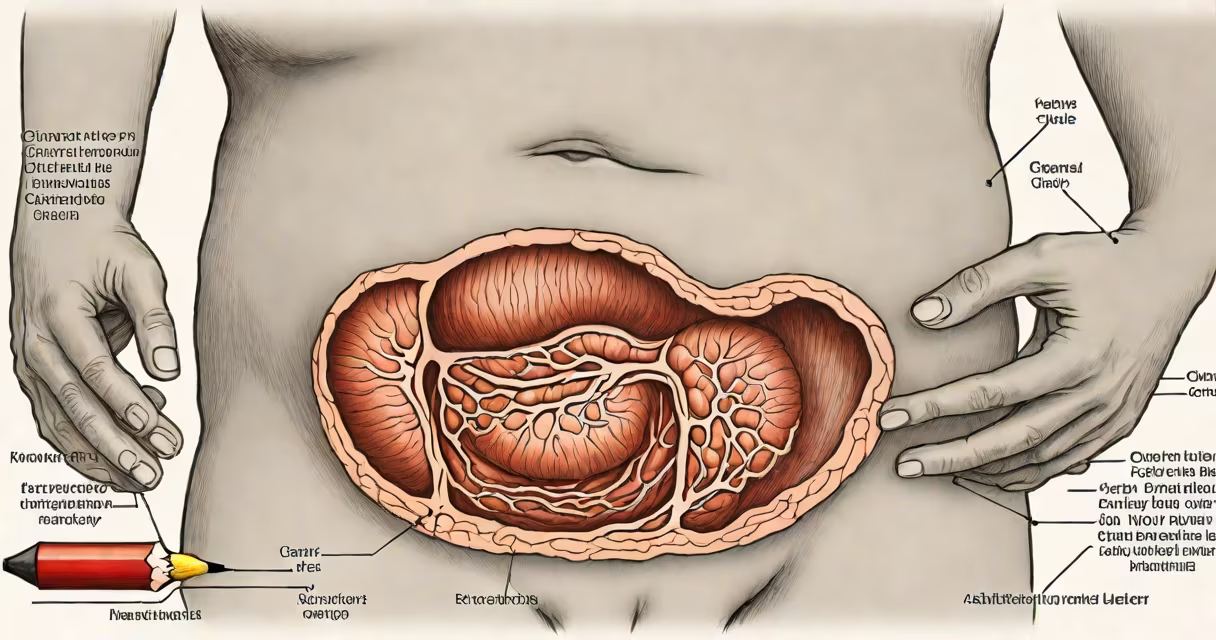
Treatment for gastritis in adults focuses on reducing stomach lining inflammation by addressing root causes such as Helicobacter pylori infection, long-term NSAID use, excessive alcohol consumption, or bile reflux. The goal is symptom relief, healing of the mucosa, and prevention of complications like ulcers or bleeding.
Gastritis occurs when the protective mucus layer of the stomach is compromised, allowing gastric acid and digestive enzymes to irritate the underlying tissue. This leads to redness, swelling, and sometimes erosion of the stomach lining. Symptoms include upper abdominal pain, bloating, nausea, vomiting, and loss of appetite. Treatment varies based on whether the condition is acute (short-term) or chronic (long-lasting).
According to the American Gastroenterological Association, approximately 10-20% of adults in the U.S. have histologically confirmed gastritis, though many remain asymptomatic. The most common identifiable cause is H. pylori infection, which affects nearly half of the global population but only triggers symptoms in a subset.
Therapy begins with identifying the trigger. A healthcare provider may perform an endoscopy with biopsy, a breath test, or stool antigen testing to detect H. pylori. Blood tests can assess for autoimmune markers, especially if pernicious anemia is suspected. Imaging is not typically used unless complications arise.
If H. pylori is present, treatment follows a triple or quadruple therapy regimen. The standard first-line approach includes a proton pump inhibitor (PPI) like omeprazole, along with two antibiotics-clarithromycin and amoxicillin-for 10-14 days. This combination suppresses acid production while eradicating the bacteria. Success rates exceed 85% when patients complete the full course.
For NSAID-induced gastritis, discontinuing the medication is essential. PPIs or H2 blockers (like famotidine) are prescribed to protect the mucosa during recovery. In cases where NSAIDs cannot be stopped due to conditions like arthritis, co-prescribing a PPI reduces ulcer risk by up to 70%, per a 2021 meta-analysis published in Gastroenterology.
Not all gastritis requires the same intervention. The approach depends on etiology, severity, and patient comorbidities.
| Type | Common Causes | First-Line Treatments | Duration |
|---|---|---|---|
| Reactive (non-ulcer) | Stress, alcohol, NSAIDs | PPIs, antacids, lifestyle changes | 2-4 weeks |
| H. pylori-associated | Bacterial infection | Triple therapy: PPI + clarithromycin + amoxicillin | 10-14 days |
| Bile reflux | Bile entering stomach from duodenum | Ursodeoxycholic acid, PPIs, surgical referral | Long-term management |
| Autoimmune | Anti-parietal cell antibodies | PPIs, vitamin B12 injections | Lifelong monitoring |
A non-obvious distinction: bile reflux gastritis is often misdiagnosed as typical acid-related gastritis. Unlike acid-induced damage, bile damages cells through detergent-like action. This form responds poorly to PPIs alone. A 2020 study in Alimentary Pharmacology & Therapeutics found that 60% of patients with persistent symptoms after PPI therapy had bile reflux upon endoscopic evaluation.
Treatment for gastritis in adults is initiated in primary care, gastroenterology clinics, or emergency departments when severe symptoms occur. It's used to prevent progression to peptic ulcers, gastrointestinal bleeding, or atrophic gastritis, which increases cancer risk.
Chronic gastritis, especially H. pylori-positive, raises the risk of gastric adenocarcinoma. The World Health Organization classifies H. pylori as a Group 1 carcinogen. Eradicating the bacterium reduces cancer incidence by up to 40% over 10 years, according to a 2019 cohort study in JAMA Oncology.
Patients with recurrent episodes or those on long-term NSAIDs (e.g., for rheumatoid arthritis) require ongoing management. Monitoring includes periodic endoscopy if there's dysplasia or intestinal metaplasia on biopsy.
Many assume gastritis is caused solely by spicy food or stress. While these can worsen symptoms, they don't initiate the condition. Spicy foods may increase acid secretion and discomfort, but they do not damage the mucosa directly. Stress contributes via increased acid production and reduced mucosal defense, but it's not a standalone cause.
Another misconception: all gastritis improves with antacids. Antacids offer temporary relief by neutralizing acid, but they don't heal the underlying injury. For H. pylori or bile reflux, antacids alone fail to resolve the issue and delay effective treatment.
I once observed a patient with persistent epigastric pain who had tried over-the-counter antacids for months. Endoscopy revealed severe bile reflux gastritis. After switching to UDCA and dietary adjustments, symptoms resolved within six weeks. This case illustrates why diagnosis must precede treatment.
Consider a 45-year-old adult with daily upper abdominal burning, nausea, and weight loss. They report using ibuprofen twice weekly for joint pain. Initial workup shows no H. pylori on breath test. Endoscopy reveals erythematous, edematous mucosa in the antrum. Biopsy confirms chronic active gastritis without bacterial colonization.
Treatment plan:
After four weeks, symptoms improved by 80%. Repeat endoscopy showed mucosal healing. This case reflects standard guidelines from the American College of Gastroenterology.
Effective treatment for gastritis in adults hinges on accurate diagnosis and targeted therapy. Ignoring the cause leads to prolonged suffering and increased risk of complications. Addressing the root issue-whether bacterial, chemical, or immune-mediated-leads to sustained improvement and better quality of life.