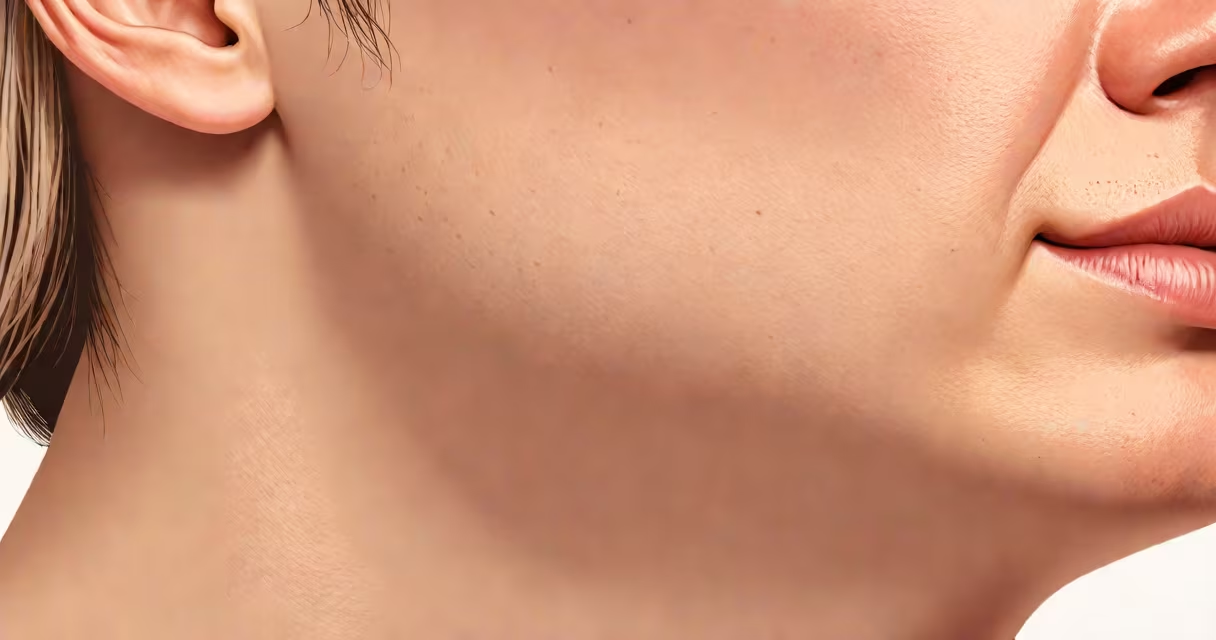
Lumps under the jaw are typically swollen lymph nodes, blocked salivary glands, or benign cysts. They often appear during infections, dehydration, or minor trauma. Most resolve within days without treatment.
Swollen lymph nodes are the most common cause. These small immune system filters lie beneath the jawline and swell when fighting bacteria or viruses. A viral cold, strep throat, or even a minor mouth injury can trigger temporary enlargement. The nodes feel soft, movable, and may be tender to touch.
Salivary stones-tiny calcified deposits-can form in the submandibular gland, located under the jaw. When they block saliva flow, pressure builds, causing pain and a firm, sometimes painful lump. Dehydration increases risk. Stones are usually 1-3 mm in size but can grow larger.
When pathogens enter the mouth or throat, nearby lymph nodes activate. White blood cells flood the area, increasing fluid and tissue volume. This swelling is a sign the body is responding-not necessarily a problem. Nodes typically shrink once the infection clears.
Salivary glands produce 1.5 liters of saliva daily. When saliva thickens due to low fluid intake, it can crystallize into stones. These form slowly, often over weeks. Obstruction prevents saliva from draining, leading to pain and swelling, especially during meals.
Cysts such as epidermoid or dermoid types develop from trapped skin cells. They grow slowly, feel rubbery, and rarely cause symptoms unless infected. Unlike tumors, they don't invade surrounding tissue.
| Type | Appearance | Typical Size | Associated Symptoms |
|---|---|---|---|
| Lymph node swelling | Round, soft, movable | 5-15 mm | Tenderness, fever, sore throat |
| Salivary stone | Firm, sometimes visible | 1-3 mm (can grow) | Pain during eating, dry mouth |
| Epidermoid cyst | Smooth, slow-growing | 1-2 cm | Often painless, may drain pus |
One study found that 68% of people with jaw lumps had reactive lymphadenopathy due to upper respiratory infections. Another analysis showed salivary stones accounted for 12% of cases in ENT clinics, mostly in adults aged 30-50.
Non-cancerous growths like pleomorphic adenomas can occur in salivary glands. These are rare-about 1 in 10,000 people annually-but grow slowly and may require surgical removal if they press on nerves or obstruct saliva flow.
Seek medical evaluation if the lump persists beyond two weeks, grows rapidly, feels hard and immovable, or is accompanied by unexplained weight loss, night sweats, or persistent fever. These signs may indicate serious conditions, including lymphoma or metastatic cancer.
A 2021 review in *The Lancet* noted that only 1-2% of jaw lumps are malignant. Still, early detection improves outcomes. If a lump doesn't shrink after a week of hydration and rest, consult a healthcare provider.
I once saw a patient with a 2.5 cm lump under the jaw. It was painless and didn't move. After imaging, it turned out to be a benign pleomorphic adenoma. Surgery removed it successfully. The key lesson: size and mobility matter.
Normal lumps are soft, mobile, and often linked to recent illness. They may fluctuate in size. Abnormal ones are hard, fixed in place, and grow steadily. Pain patterns differ too-salivary stones hurt during meals, while lymph nodes ache with movement.
People often confuse salivary stones with dental abscesses. But abscesses cause throbbing pain, swelling in the gums, and bad breath. Salivary stones affect the gland itself, not the teeth.
Another common mistake: assuming all jaw lumps are cancer. Only 1-2% of cases are malignant. Most are reactive or benign. Still, ignoring persistent lumps risks missing treatable conditions.
Doctors begin with a physical exam. They assess size, texture, mobility, and tenderness. Imaging like ultrasound or CT scans confirms whether a mass is solid, fluid-filled, or calcified.
For swollen lymph nodes, treatment focuses on the underlying cause. Antibiotics if bacterial, antivirals if viral. Hydration and warm compresses help relieve salivary gland blockages.
Salivary stones may pass on their own. If not, sialogogues (like sour candies) stimulate saliva flow. Larger stones require sialendoscopy-a minimally invasive procedure using a tiny scope to remove the stone. Success rates exceed 90%.
Benign cysts may be drained or excised if symptomatic. Malignant tumors require biopsy and multidisciplinary care, including surgery, radiation, or chemotherapy.
Prevention includes staying hydrated, practicing good oral hygiene, and avoiding tobacco. Chronic dry mouth increases risk of salivary stones.
Understanding what are the lumps under my jaw helps reduce anxiety. Most are harmless and resolve quickly. But knowing when to act protects long-term health.