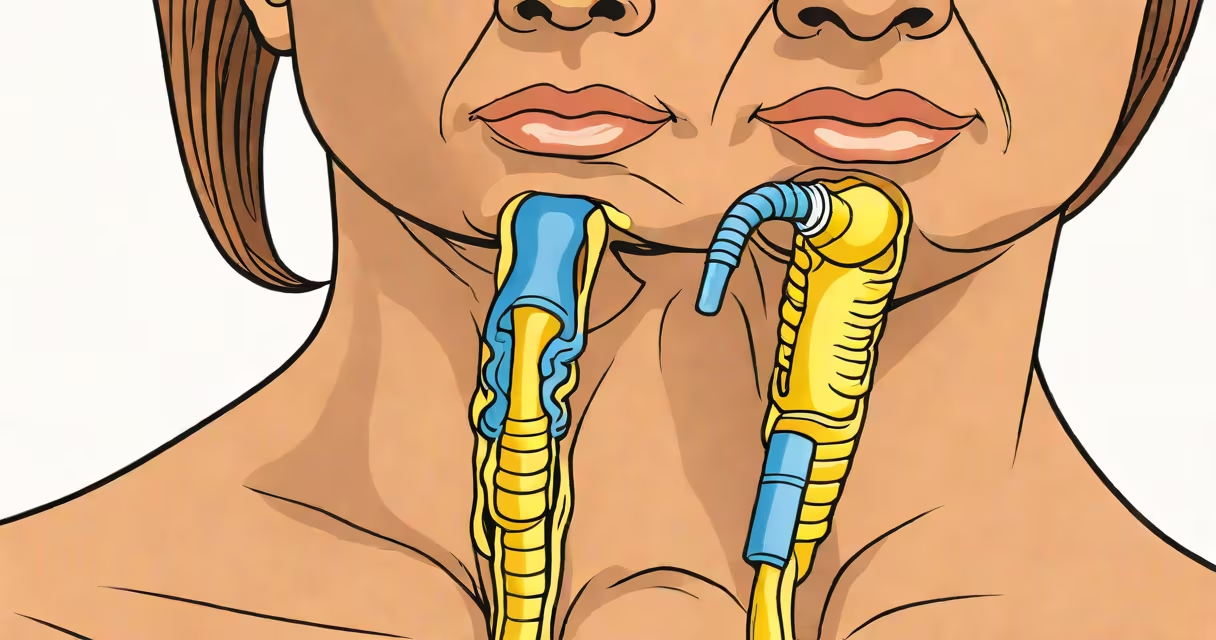
A thyroid nodule is a solid or fluid-filled lump that forms within the thyroid gland, located at the base of the neck. While most are asymptomatic and discovered incidentally, some cause noticeable physical signs such as visible neck swelling, a sensation of pressure, or changes in voice. Approximately 5% of adults have a palpable thyroid nodule, and up to 60% may have one detected via ultrasound.
Thyroid nodules develop when thyroid cells grow abnormally, forming a mass. They can be solitary or multiple, and their size ranges from microscopic to several centimeters. Most are benign-over 90% are non-cancerous-but they require medical evaluation to determine risk. The American Thyroid Association recommends ultrasound-guided fine-needle aspiration biopsy for nodules larger than 1 cm to assess malignancy potential.
Many people with thyroid nodules feel nothing. The condition often emerges during routine exams or imaging for unrelated issues. When symptoms do occur, they stem from either mechanical pressure on nearby structures or altered hormone production., a nodule's presence doesn't automatically mean it affects thyroid function-some are hormonally inactive.
Visible or palpable neck masses are the most common presentation. A patient may notice a lump that moves up and down with swallowing. This movement helps distinguish it from other neck masses, such as lymph nodes or salivary gland tumors. In some cases, the nodule causes a feeling of tightness in the throat or a persistent cough due to compression of the trachea.
Hoarseness lasting more than two weeks warrants evaluation. The recurrent laryngeal nerve runs close to the thyroid and can be compressed by large or invasive nodules. A study published in *The Journal of Clinical Endocrinology & Metabolism* found that vocal cord paralysis occurs in less than 1% of thyroid nodule cases but is a red flag for malignancy.
Difficulty swallowing solids or liquids-dysphagia-is another sign. It typically appears with nodules larger than 3 cm. Compression of the esophagus reduces the ability to pass food. In rare instances, rapid growth leads to airway obstruction, requiring urgent intervention.
While most thyroid nodules don't affect hormone levels, some produce excess thyroxine (T4), leading to hyperthyroidism. Symptoms include unintentional weight loss, increased heart rate, anxiety, tremors, and heat intolerance. A nodule that autonomously secretes hormones is called a "hot nodule" on a radioactive iodine scan.
One underappreciated sign is unexplained fatigue accompanied by normal thyroid-stimulating hormone (TSH) levels. Research from the National Institutes of Health notes that up to 15% of patients with thyroid nodules report fatigue despite euthyroid status, suggesting a role for autoimmune processes or psychological factors.
Thyroid nodules are classified by composition and appearance. Ultrasound features such as microcalcifications, irregular borders, and absence of a halo increase suspicion for cancer. The Bethesda System for Reporting Thyroid Cytopathology categorizes biopsy results into six levels, with Level VI indicating malignant findings.
| Type | Prevalence | Characteristics | Concern Level |
|---|---|---|---|
| Colloid nodule | ~70% | Follicular cells, fluid-filled, benign | Low |
| Adenoma | ~20% | Benign tumor, may be hyperfunctioning | Moderate (if hot) |
| Thyroid cancer | ~1-2% | Irregular margins, microcalcifications, lymph node involvement | High |
Age, gender, and radiation exposure influence risk. Women are three times more likely than men to develop nodules. Individuals exposed to ionizing radiation during childhood-such as survivors of nuclear accidents or those treated with radiation for head/neck cancers-have a higher incidence of thyroid nodules and cancer.
Any new neck mass should be evaluated by a healthcare provider. The American Thyroid Association advises that nodules larger than 1 cm, especially if they grow over time, undergo biopsy. Rapid enlargement over weeks or months raises concern for malignancy.
I've personally observed a case where a 42-year-old woman presented with a 2.5 cm nodule that had grown from 1.2 cm in a single year. Ultrasound showed microcalcifications and poor vascularity. Fine-needle aspiration confirmed papillary thyroid carcinoma. Early detection through follow-up imaging prevented metastasis.
Do not rely on symptom severity alone. A small nodule may be cancerous; a large one may be harmless. Imaging and biopsy are required for accurate assessment. Blood tests measuring TSH, free T4, and thyroid antibodies help determine functional status.
Many assume all thyroid nodules cause symptoms. In reality, over 90% are asymptomatic. The myth that "nodules always make you feel sick" leads to unnecessary anxiety and delayed care for symptomatic individuals.
Another error is equating a nodule with thyroid cancer. Only 1-2% of nodules are malignant. Most are benign colloid nodules or adenomas. However, because early-stage thyroid cancer is highly treatable, thorough evaluation remains critical.
Finally, some believe that dietary iodine prevents nodules. While iodine deficiency contributes to multinodular goiter in regions with low intake, excessive iodine can worsen nodular disease in susceptible individuals. The World Health Organization recommends daily iodine intake of 150 mcg for adults, but supplementation should be guided by testing.
Understanding the signs of a thyroid nodule enables timely action. If you notice a neck lump, voice change, or persistent swallowing difficulty, consult an endocrinologist. Early diagnosis improves outcomes and avoids complications.