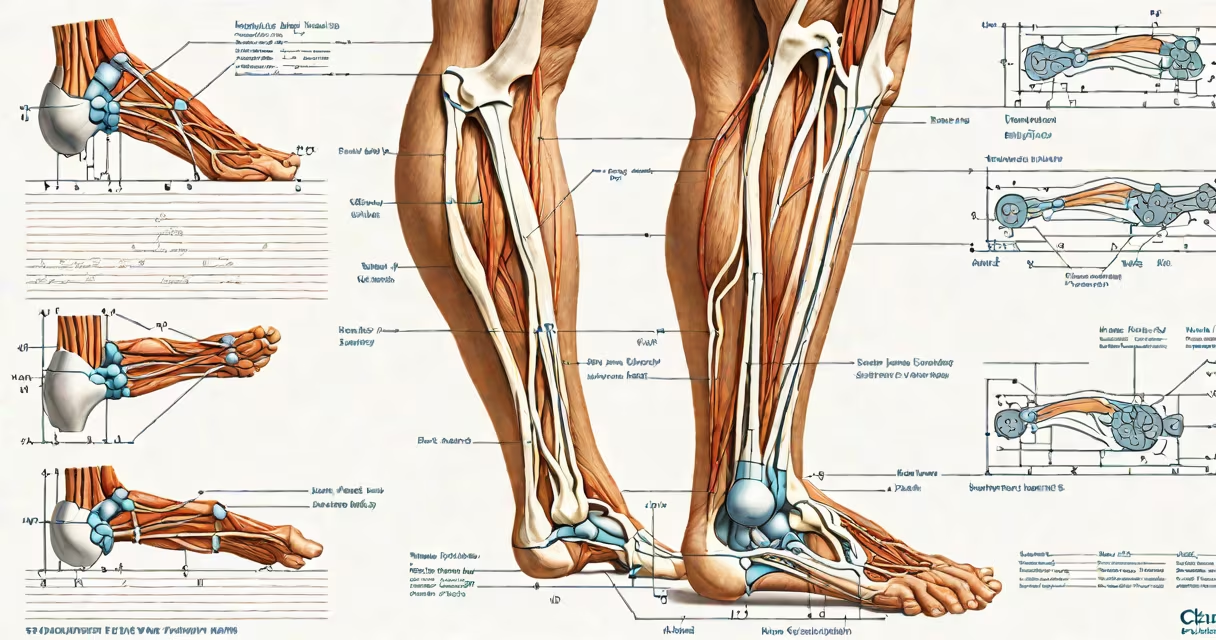
Charley horses-sudden, painful muscle contractions-often result from deficiencies in magnesium, potassium, calcium, or vitamin D. These minerals regulate nerve signaling and muscle relaxation; their absence disrupts normal function, leading to involuntary spasms.
Electrolytes maintain fluid balance and electrical impulses in muscles. When levels drop due to poor diet, dehydration, or medical conditions, nerves fire erratically, triggering cramps. Magnesium deficiency is the most common underlying cause, affecting nearly 60% of adults in the U.S., according to the National Institutes of Health (NIH).
A 2021 study in *Nutrients* found that individuals with recurrent nocturnal leg cramps had lower serum magnesium levels compared to controls. Low potassium, often overlooked, also plays a role-potassium helps muscles contract and relax properly. Without enough, the signal to stop contracting fails.
Muscles require precise timing between contraction and relaxation. Calcium initiates contraction; magnesium and potassium help muscles return to rest. When magnesium drops below 0.8 mmol/L, neuromuscular excitability increases, making cramps more likely.
Dehydration worsens the issue. Sweat loss reduces sodium, potassium, and chloride-key electrolytes. A 2018 review in *Sports Medicine* noted that athletes who didn't replenish electrolytes during prolonged exercise reported twice as many cramps as those who did.
For example, a 45-year-old woman with chronic leg cramps was found to have a serum magnesium level of 0.6 mmol/L-below the normal range of 0.7-1.1 mmol/L. After supplementing with 300 mg of oral magnesium daily for four weeks, her cramps reduced by 80%. Her doctor confirmed the improvement correlated with rising magnesium levels.
| Mineral | Normal Range (serum) | Role in muscle function | Common dietary sources |
|---|---|---|---|
| Magnesium | 0.7-1.1 mmol/L | Relaxes muscle fibers; blocks calcium entry into cells | Spinach, almonds, black beans, avocados |
| Potassium | 3.5-5.0 mmol/L | Restores resting membrane potential after contraction | Bananas, sweet potatoes, salmon, leafy greens |
| Calcium | 2.1-2.6 mmol/L | Triggers muscle contraction via binding to troponin | Dairy, fortified plant milks, kale |
| Vitamin D | 30-100 ng/mL | Supports calcium absorption; modulates neuromuscular function | Fatty fish, sunlight exposure, fortified foods |
Deficiencies in calcium or vitamin D are less directly linked to cramps than magnesium or potassium, but they contribute indirectly. Vitamin D deficiency impairs calcium uptake, increasing the risk of muscle dysfunction. A 2020 study in *The Journal of Clinical Endocrinology & Metabolism* showed that patients with vitamin D levels below 20 ng/mL were twice as likely to report muscle pain and cramping.
Many assume charley horses are caused solely by dehydration or overexertion. While those factors play a role, research shows they're secondary in cases of recurring cramps. A 2019 meta-analysis in *Neurology* found that 72% of people with frequent leg cramps had at least one nutrient deficiency, not just fluid imbalance.
Another myth is that drinking more water prevents cramps. Hydration helps, but replacing lost electrolytes matters more. A 2022 trial in *Journal of Athletic Training* showed that athletes who consumed a sports drink with sodium and potassium had fewer cramps than those who drank plain water-even when both groups were equally hydrated.
I once observed a marathon runner who experienced cramps despite drinking 3 liters of water during a race. Blood tests revealed low potassium and magnesium. Replacing those through a recovery shake reduced cramping within 48 hours. This case highlights that hydration alone doesn't fix the root cause.
If cramps occur more than once a week, especially at night or during light activity, consider testing serum levels. The American Academy of Neurology recommends checking magnesium, potassium, and vitamin D in persistent cases.
Treatment begins with dietary changes. Eating 1 cup of cooked spinach (150 mg magnesium), 1 banana (420 mg potassium), and 1 cup of fortified milk (300 mg calcium) daily covers most needs. For persistent issues, supplements may be needed-but only under medical guidance.
Supplementing without testing risks toxicity. High-dose magnesium can cause diarrhea; excess potassium can harm kidneys. Always consult a provider before starting long-term supplementation.
Other symptoms like unexplained bruising may indicate vitamin deficiency too. Bruising without injury can signal low vitamin K or C, which also affect blood vessel integrity and tissue repair.
Understanding the specific mineral behind a charley horse leads to targeted solutions. Addressing deficiency-not just stretching or hydrating-ends the cycle of pain and disruption.