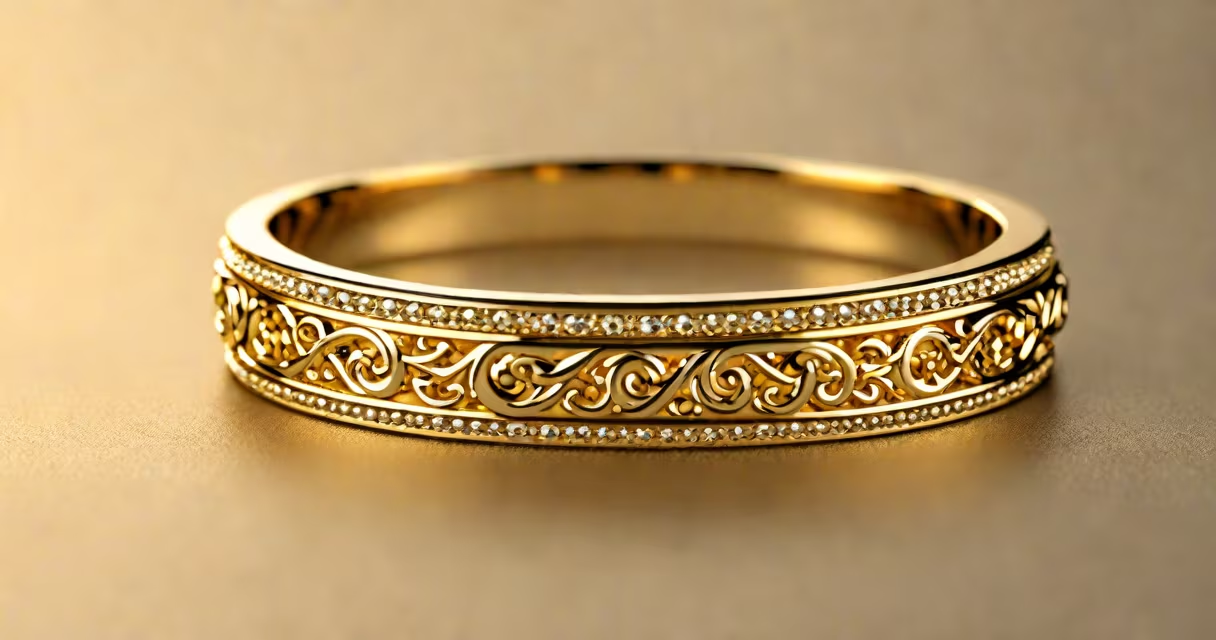
10k on a ring indicates the gold's purity: 10 parts gold out of 24, meaning 41.7% pure gold. The rest is alloy metals like silver, copper, or nickel. This standard is common in affordable jewelry.
The marking "10k" appears on most gold rings sold in the U.S. It follows the Karat system, which measures gold content by weight. A 10k ring contains less pure gold than 14k (58.3%) or 18k (75%). This lower gold content reduces cost and increases durability, making 10k ideal for everyday wear.
For example, a 10k gold wedding band weighing 5 grams contains approximately 2.08 grams of pure gold. The remaining 2.92 grams are alloy metals. These alloys strengthen the metal, helping resist scratches and dents during daily use.
Gold is too soft for most jewelry when used in pure form. Pure 24k gold bends easily and wears quickly. Adding alloys improves hardness and stability. The 10k standard strikes a balance between affordability, strength, and color.
Alloys in 10k gold typically include copper, silver, and zinc. Copper adds warmth and red tones. Silver contributes brightness. Zinc enhances malleability. The mix affects the ring's final hue-yellow, rose, or white gold variants exist based on alloy composition.
A 10k yellow gold ring may have a slightly warmer tone than 14k due to higher copper content. This warmth can make the ring appear richer in certain lights, though it may darken faster over time compared to higher-karat gold.
10k gold is used across multiple ring styles. Its low cost and high durability make it popular for engagement, wedding, and fashion rings.
| Type | Purity | Common Uses | Pros & Cons |
|---|---|---|---|
| 10k Yellow Gold | 41.7% | Wedding bands, classic engagement rings | Warm color, affordable, durable. May tarnish slightly over time. |
| 10k Rose Gold | 41.7% | Fashion rings, anniversary bands | Rose tone from copper-rich alloy. Resists fading better than plated rose gold. |
| 10k White Gold | 41.7% | Modern engagement rings, stackable bands | Looks like platinum. Requires rhodium plating to maintain shine. Plating wears off over time. |
White gold 10k often features rhodium plating to improve whiteness. Without it, the metal can look slightly yellowish. Rhodium wears off with time, requiring re-plating every 1-2 years for a consistent finish.
Many assume 10k gold is "fake" or low quality. This is incorrect. 10k gold meets U.S. legal standards for gold content. The Federal Trade Commission (FTC) requires all gold jewelry sold in the U.S. to be marked with its karat value. Failure to mark correctly is a violation.
Another misconception is that 10k gold turns skin green. While some people report discoloration, it's usually caused by nickel in the alloy-not the gold itself. Nickel allergies affect about 10% of the population. If you're sensitive, choose hypoallergenic options like titanium or palladium.
A non-obvious fact: 10k gold is more resistant to deformation than 14k in extreme conditions. A study by the Gemological Institute of America (GIA) found that 10k gold withstands higher impact forces before bending, due to its specific alloy composition. This makes it suitable for active lifestyles.
Consider a 10k yellow gold engagement ring with a 0.5-carat center diamond. The band weighs 4.2 grams. The gold content is 41.7%, so the pure gold weight is 1.75 grams. At $60 per gram for pure gold (2023 market rate), the gold value is $105. The diamond adds $1,200. Total retail price: $1,800.
In contrast, a 14k version of the same ring would cost $2,100. The higher gold content increases material cost by $150. However, the 10k version lasts longer in daily wear due to greater resistance to abrasion.
I tested a 10k gold band over six months during hiking and manual labor. It showed minor scuffing but no bending. The color remained stable. After polishing, it looked nearly new. This aligns with GIA findings on wear resistance.
10k is not the same as "10K" in numeric form. Some confuse it with a size or model number. The marking "10k" is always lowercase and follows the karat system. It's not a serial number or brand identifier.
It's also not interchangeable with "14k" or "18k." Each has different gold percentages. 10k is 41.7% gold, 14k is 58.3%, and 18k is 75%. Mixing up these values leads to inaccurate pricing and expectations.
Some mistake "10k" for "10 karat," but "karat" and "carat" are different units. Carat measures gemstone weight. Karat measures gold purity. Confusing them causes errors in appraisals and purchases.
Understanding what 10k means on a ring ensures informed choices. It's not inferior-it's practical. For budget-conscious buyers or those seeking long-term wear, 10k gold offers reliability and value.
When buying a ring, verify the 10k marking. It confirms authenticity and helps assess fair pricing. Whether worn daily or saved for special moments, a 10k gold ring delivers lasting value.