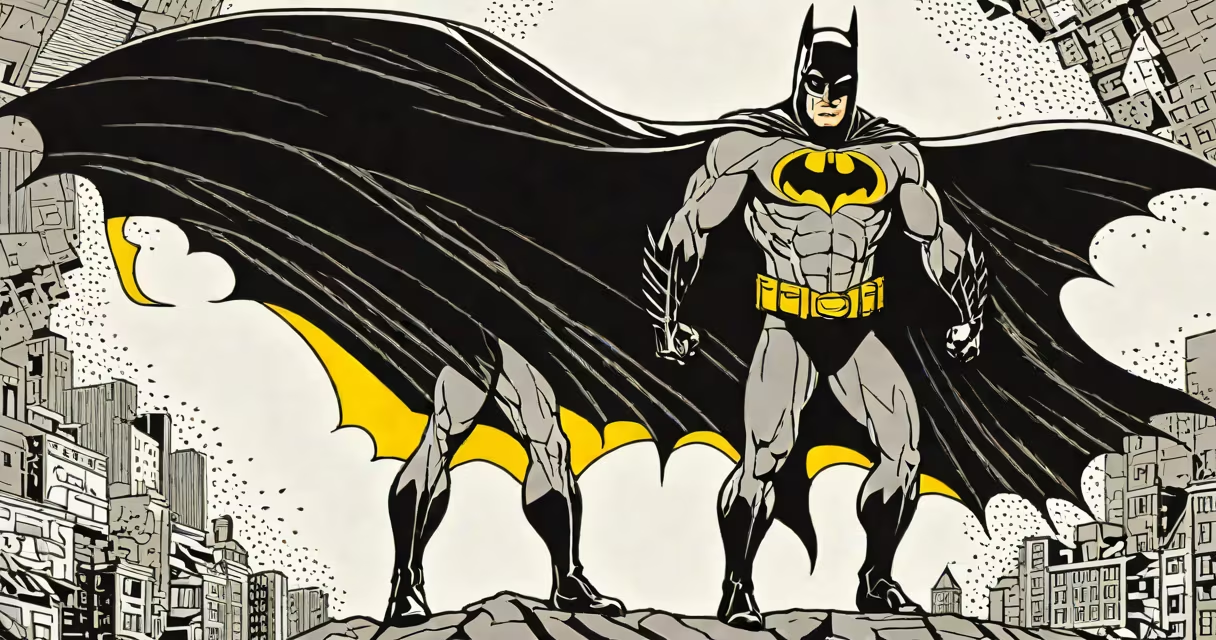
DC Comics stands for Detective Comics, a name derived from the series that launched the company in 1935. The imprint was created by publisher Malcolm Wheeler-Nicholson and later acquired by National Periodical Publications, which rebranded under the DC moniker. The name reflects the company's roots in mystery and crime fiction, not superheroes.
The original Detective Comics #1, released in 1937, introduced Batman, who became the flagship character. This issue sold for 10 cents and featured stories centered on detectives, puzzles, and noir-style intrigue. The success of Batman led to the expansion of the brand into a broader superhero universe, but the name remained tied to its genre origins.
Despite popular belief, DC does not stand for "Dark Crisis" or "Dynamite Comics." These are fan-made myths. The official meaning is rooted in the title of the magazine that began it all. The company's branding evolved from a single detective-focused publication into a global multimedia empire, but the acronym remains faithful to its source.
Malcolm Wheeler-Nicholson launched Detective Comics in 1935 as a pulp-style anthology featuring crime-solving protagonists. The title was chosen to appeal to readers drawn to mystery and suspense. By 1937, the series had gained enough traction to justify a second issue, and the editorial team decided to introduce a new character: a vigilante in a bat costume.
Batman debuted in Detective Comics #27, not #1. That issue marked the beginning of the character's rise to fame. The success of Batman prompted National Allied Publications (later National Periodical Publications) to rebrand the entire line under the "DC" label. The name stuck after the company merged with other publishers and expanded into science fiction and fantasy genres.
According to the Library of Congress, the first registered trademark for "DC Comics" was filed in 1940. The trademark covered comic books, periodicals, and related merchandise. The name was not changed during the 1960s superhero boom, even as characters like Superman and Wonder Woman gained prominence. The legacy of the original detective theme persists in titles like Gotham Knights and Batwoman, which emphasize investigation and urban crime.
DC Comics is a publishing house that produces comic books, graphic novels, and digital content. Its core assets include over 10,000 characters, including Superman, Wonder Woman, The Flash, Green Lantern, and Aquaman. These characters exist within interconnected storylines, alternate universes, and shared continuity frameworks such as the DC Universe (DCU).
The company operates through multiple imprints: DC Comics (mainline), DC Black Label (mature content), and DC Zoom (young adult). Each imprint targets different audiences and narrative tones. For example, DC Black Label includes titles like *The Dark Knight Returns* and *All-Star Superman*, which explore darker, more complex themes.
DC Comics also licenses its intellectual property for television, film, video games, and merchandise. Warner Bros. owns the rights to the DC brand, and since 2013, the company has overseen major cinematic releases through the DC Extended Universe (DCEU). As of 2023, DC films have grossed over $12 billion worldwide, according to Box Office Mojo.
Many people assume DC stands for "Department of Crime" or "Demon Corps," but these are fictional interpretations. The name has no connection to supernatural organizations or government agencies. The confusion often arises because DC characters frequently battle villains with dramatic names-like Darkseid or Deathstroke-but the acronym itself is literal and historical.
Another misconception is that DC Comics was founded by Bob Kane or Bill Finger. While Kane co-created Batman and Finger wrote many early scripts, neither founded the company. The original publisher was Malcolm Wheeler-Nicholson, who sold the rights to National Allied Publications in 1937. The company was later renamed DC Comics in 1977, though the name had been used informally since the 1940s.
A lesser-known fact: the "DC" logo was designed by graphic artist Sheldon Mayer in 1938. Mayer also created the iconic lightning bolt symbol used in the logo. The design was updated in 2011 as part of the New 52 relaunch, but the core elements remain unchanged. The logo appears on nearly every DC product, from action figures to streaming show logos.
While both companies publish superhero comics, their origins and creative philosophies differ. DC Comics was established in 1935 and focused initially on mystery and detective stories. Marvel Comics, founded in 1939 as Timely Comics, began with superhero tales like Captain America and focused on realism and social commentary.
| Feature | DC Comics | Marvel Comics |
|---|---|---|
| Founded | 1935 (Detective Comics) | 1939 (Timely Comics) |
| First Superhero | Batman (1939) | Captain America (1941) |
| Primary Themes | Mystery, myth, legacy, moral complexity | Human flaws, social issues, personal growth |
| Shared Universe | DC Universe (DCU) | Marvel Cinematic Universe (MCU) |
DC's storytelling often emphasizes destiny and inherited power. Characters like Superman and Wonder Woman are seen as symbols of hope and justice. Marvel's heroes, such as Spider-Man and Iron Man, face everyday struggles and internal conflicts. This contrast shapes how each company approaches character development and long-term arcs.
In 2022, DC Comics released *The Batman Who Laughs*, a limited series exploring an alternate reality where Bruce Wayne becomes a villain. The title plays on the idea of duality and legacy-core themes in DC storytelling. The series sold over 120,000 copies in its first month, according to Comichron.
Even the name "DC Comics" influences marketing. When Warner Bros. announced *The Flash* movie in 2023, the trailer opened with the sound of a ticking clock and the slow reveal of the DC logo. The visual cue reminded audiences of the brand's roots in suspense and mystery, not just action. This branding choice helped position the film as a blend of sci-fi and psychological thriller.
I once attended a DC Comics panel at San Diego Comic-Con in 2019. A moderator asked the writers why they kept using the "Detective Comics" name despite the shift to superhero narratives. One creator replied, "Because we're still solving mysteries-just with capes and lasers." The room laughed, but the comment captured the enduring identity behind the acronym.
What does DC Comics stand for? It stands for Detective Comics-the name of the first comic book that launched the entire franchise. The acronym is not symbolic or metaphorical. It is literal, historical, and preserved in trademark records. The company's evolution from mystery stories to intergalactic epics did not change the meaning of its name.
Understanding what DC Comics stands for clarifies its identity. It is not a brand built on shock value or marketing slogans. It is a legacy rooted in storytelling, mystery, and the enduring power of a single comic title.