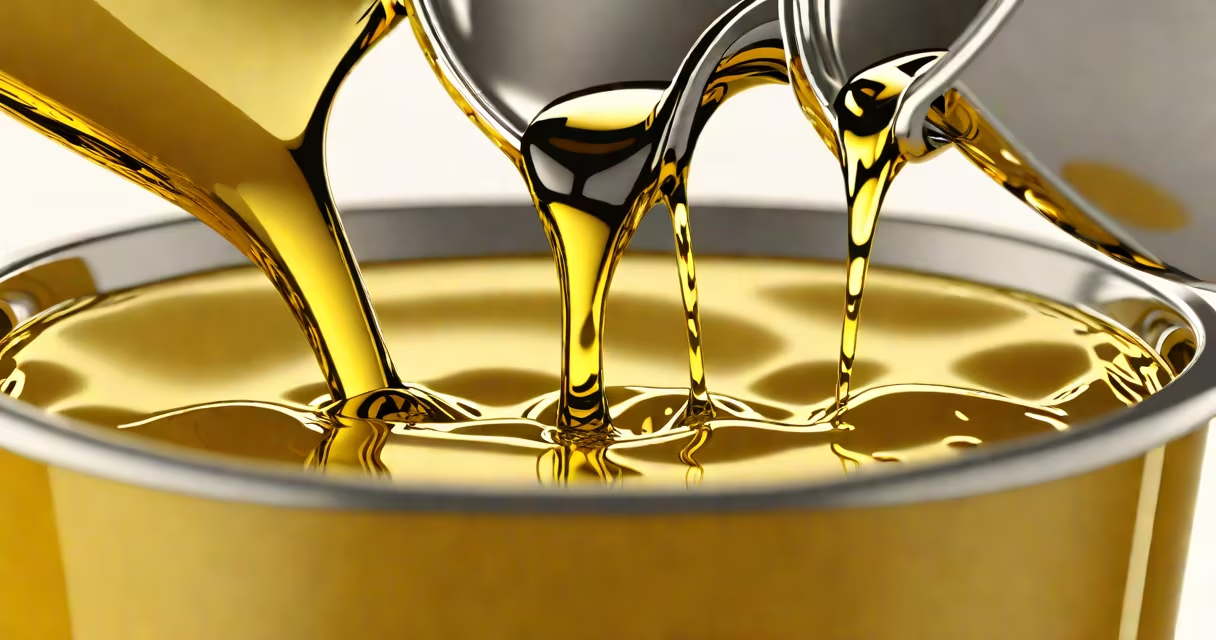
Biodiesel fuel is produced from organic oils and fats-primarily vegetable oils like soybean, rapeseed (canola), and palm oil, as well as animal fats and recycled cooking grease. It is a renewable alternative to petroleum diesel, chemically distinct from fossil fuels.
The core process involves transesterification: reacting triglycerides in oils or fats with an alcohol (usually methanol) in the presence of a catalyst (typically sodium or potassium hydroxide). This splits the glycerol from the fatty acid chains, forming methyl esters-the actual biodiesel-and leaving glycerol as a byproduct.
According to the U.S. Department of Energy, biodiesel is typically blended with petroleum diesel in ratios ranging from B5 (5% biodiesel) to B20 (20%). Pure biodiesel (B100) is used in specially adapted engines. The blend level affects performance, cold-weather operability, and emissions profiles.
Biodiesel feedstocks fall into three main categories: virgin vegetable oils, animal fats, and waste-derived oils. Virgin oils are grown specifically for fuel, while waste oils come from existing food processing streams.
Vegetable oils dominate global biodiesel production. Soybean oil accounts for about 60% of U.S. biodiesel feedstock, according to the National Biodiesel Board. Canola oil is widely used in Europe due to high yields and low saturated fat content. Palm oil is prevalent in Southeast Asia but raises sustainability concerns due to deforestation linked to plantations.
Animal fats-such as tallow (beef fat) and lard (pork fat)-are less common but increasingly used. They offer higher energy density than many plant oils and reduce competition with food crops. The U.S. Environmental Protection Agency notes that using tallow can lower lifecycle greenhouse gas emissions by up to 80% compared to fossil diesel.
| Feedstock Type | Common Sources | Typical Yield (gallons per acre) | Sustainability Note |
|---|---|---|---|
| Virgin vegetable oil | Soybean, canola, palm | 40-60 | Palm oil linked to habitat loss; soybean competes with food crops |
| Animal fats | Tallow, lard, yellow grease | 15-25 | Low land use; uses waste stream; higher cloud point |
| Recycled cooking oil | Restaurant fryer grease, used frying oil | 30-40 | Zero food competition; reduces disposal burden; variable quality |
A typical small-scale biodiesel plant processes 100 gallons of used cooking oil per batch. For example, a community biodiesel cooperative in Portland, Oregon, converts 500 gallons of collected restaurant waste oil monthly into biodiesel. The process takes about 4 hours per batch: mixing the oil with methanol and lye, allowing separation, washing the biodiesel, and drying it.
After transesterification, the mixture separates into two layers: biodiesel floats on top, glycerol sinks below. The biodiesel layer is washed with water to remove residual catalyst and soap. It's then dried using vacuum or heat to remove moisture. Final testing confirms cetane number, flash point, and viscosity meet ASTM D6751 standards for fuel quality.
One gallon of used cooking oil yields approximately 0.85 gallons of biodiesel. The remaining 0.15 gallons is glycerol-a valuable co-product used in cosmetics, pharmaceuticals, and soap manufacturing. Glycerol purity is often above 98%, making it suitable for industrial applications.
Biodiesel is not the same as ethanol. Ethanol is an alcohol-based fuel derived from fermenting sugars in corn, sugarcane, or cellulosic biomass. Biodiesel is an ester-based fuel derived from fats and oils. They are not interchangeable in engines and require different infrastructure.
Another misconception is that biodiesel causes engine damage. Modern biodiesel meets strict fuel specifications. The American Society for Testing and Materials (ASTM) certifies biodiesel under D6751, which includes limits on acidity, water content, and particulates. Using certified biodiesel in properly maintained engines causes no greater wear than petroleum diesel.
There's also confusion around "first-generation" versus "second-generation" biodiesel. First-gen uses edible oils and animal fats. Second-gen uses non-food feedstocks like algae, jatropha, or lignocellulosic biomass. Algae-based biodiesel has shown potential for yields exceeding 10,000 gallons per acre-far surpassing soybeans-but remains expensive and experimental at scale.
In 2022, I attended a biodiesel demonstration at a rural farm in Iowa. A 500-gallon batch was processed from soybean oil and recycled fryer grease. The team used a 1:6 methanol-to-oil ratio and 1% sodium hydroxide catalyst. After 30 minutes of mixing, they let it settle for four hours. The resulting biodiesel had a clear amber color and passed all ASTM tests. The glycerol byproduct was collected and sent to a local soap maker. The entire process ran on solar-powered pumps and heaters, proving that small-scale biodiesel can be both sustainable and practical.
Biodiesel reduces carbon dioxide emissions by 50-80% over its lifecycle compared to petroleum diesel, according to the U.S. EPA. However, land use changes from expanding crop cultivation can offset gains. The International Energy Agency warns that large-scale expansion of palm oil biodiesel may lead to indirect land-use change (ILUC), increasing emissions.
Waste cooking oil is the most sustainable feedstock. The European Union mandates that 50% of biodiesel must come from waste or residues by 2030. In the U.S., the Renewable Fuel Standard (RFS) sets annual volume requirements, with biodiesel eligible for RINs (Renewable Identification Numbers) that support compliance and market value.
Despite its benefits, biodiesel faces challenges. Cold weather can cause gelling at temperatures below 0°C (32°F), limiting winter use in northern climates. Blending with petroleum diesel improves cold-flow properties. Some users report increased nitrogen oxide (NOx) emissions with pure biodiesel, though newer formulations and engine tuning have reduced this effect.
For those exploring alternatives, offloading agricultural byproducts into new uses offers parallels in circular economy thinking-transforming waste into value through chemical processing.
Biodiesel fuel is made from renewable organic materials-vegetable oils, animal fats, and recycled cooking grease-processed via transesterification. Its composition and feedstock choice determine performance, cost, and environmental impact. Understanding these factors clarifies why biodiesel is not a universal solution but a targeted tool in decarbonizing transportation.