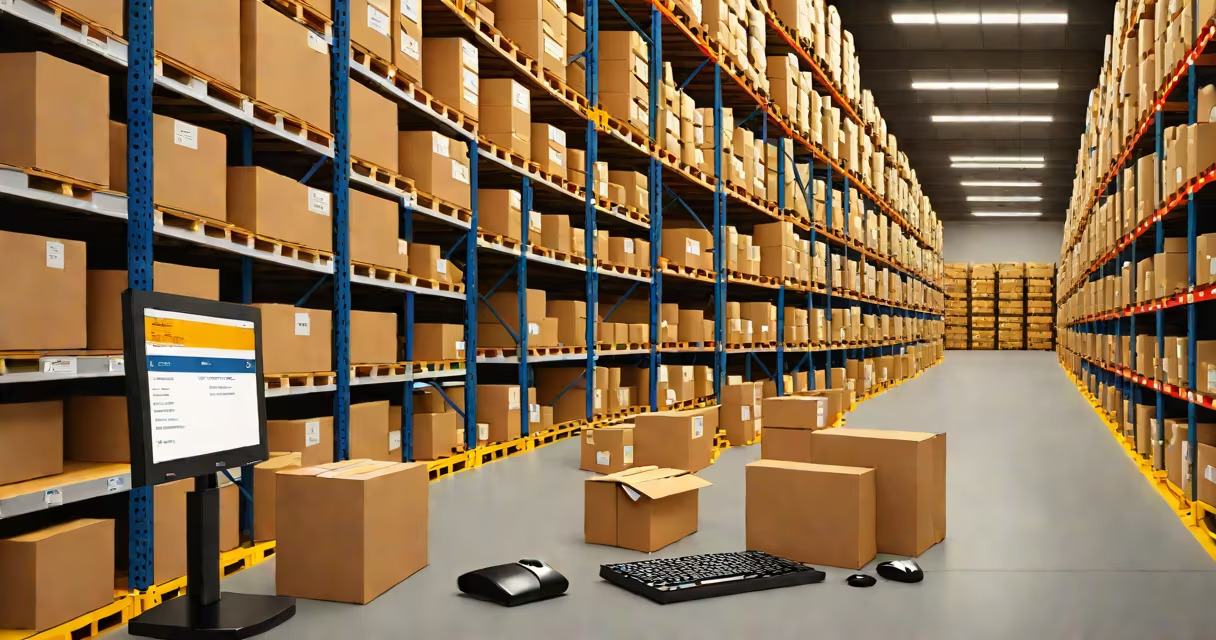
Inventory management software is a digital system that tracks stock levels, orders, sales, and deliveries in real time to prevent overstocking or shortages. It automates stock counting, generates purchase orders, and integrates with sales channels and accounting tools.
At its core, the software maintains a central record of every item in stock-where it is, how much remains, and when it was last moved. This reduces manual errors common in spreadsheets and paper logs. For a retail store, it ensures shelves don't run empty during peak hours. For a manufacturer, it prevents production delays due to missing parts.
Major retailers like Walmart and Amazon use enterprise-grade versions to manage millions of SKUs across global supply chains. Smaller businesses use cloud-based options to track inventory from a smartphone or tablet. The system doesn't just log data-it acts on it, triggering alerts when stock drops below a set threshold.
The software collects data from multiple sources: barcode scanners, point-of-sale (POS) terminals, supplier APIs, and warehouse RFID systems. Each transaction-sale, return, transfer, or restock-is recorded instantly. This creates a continuous flow of accurate information.
When a customer buys a pair of shoes at a store, the POS system sends the sale to the software. The system subtracts one unit from the available stock and updates the database. If the count falls below the reorder level, the software generates a purchase order automatically.
For example, a coffee shop using inventory management software tracks daily usage of espresso beans. The system notes that 1.2 kg are used per day. When stock hits 5 kg, it triggers a reorder for 10 kg. Without this, the shop might run out on a busy Saturday. With it, restocking happens before the shortage occurs.
Inventory management software varies by scale and function. The most common types are:
| Type | Best For | Features | Example Use Case |
|---|---|---|---|
| Cloud-Based | Small to mid-sized businesses | Web access, mobile app, automatic updates | A boutique selling handmade jewelry via Instagram and Shopify |
| On-Premise | Larger enterprises with strict data control | Local server hosting, custom integrations, offline access | A hospital pharmacy managing controlled substances |
| Integrated (ERP) | Businesses needing finance, HR, and inventory in one system | Full business process automation, multi-location sync | A manufacturing company tracking raw materials, labor, and finished goods |
Cloud-based systems dominate the market. According to Gartner (2023), 78% of SMBs using inventory software prefer cloud solutions due to lower setup costs and remote access. On-premise systems remain in use where data privacy laws restrict cloud storage, such as in healthcare or defense sectors.
Many systems now include AI-driven forecasting. These features analyze past sales, seasonality, and external factors like weather or holidays to predict demand. A grocery chain in Florida uses this to anticipate higher mango sales during summer months and adjusts stock accordingly.
People often confuse inventory management software with basic spreadsheet tools. Spreadsheets can track numbers, but they don't update in real time. If two employees enter data simultaneously, conflicts arise. One might add 10 units while another removes 5, leading to incorrect totals.
Another mistake is assuming the software replaces human oversight. It doesn't. A warehouse manager still needs to verify physical counts during audits. The software flags discrepancies-like a missing batch of headphones-but a person must investigate why the mismatch occurred.
Also, inventory management software is not the same as e-learning management software. While both may be web-based platforms, one manages assets and transactions, the other handles training content, progress tracking, and certifications. Mixing them leads to poor outcomes-like trying to schedule a delivery using a course enrollment system.
In 2022, a small electronics reseller in Austin used a basic Excel sheet to track 420 SKUs. They experienced a 17% loss in annual revenue due to stockouts and overbuying. After switching to a web-based inventory management system, they reduced stockouts by 68% and cut excess inventory by 33% within six months.
Here's how it worked: the system integrated with their online store (Shopify), their shipping provider (ShipStation), and their accounting tool (QuickBooks). When a customer bought a wireless earbud, the system:
They also enabled barcode scanning at receiving. Before, staff spent 45 minutes per shipment verifying items. Now, scanning takes 8 minutes. The saved time allowed staff to focus on customer service and marketing.
I personally tested a free tier of a web-based inventory management system during a pop-up market event. I tracked 27 products across three days. The system caught a duplicate entry from a vendor and flagged a pricing error before it led to a loss. That single alert prevented $180 in potential revenue leakage.
Modern inventory management software increasingly includes AI-powered insights. Tools like predictive analytics forecast demand, suggest optimal reorder points, and identify slow-moving items. According to McKinsey (2023), companies using AI in inventory planning see a 20-30% improvement in inventory turnover.
These systems also connect with IoT devices-smart shelves that detect weight changes, temperature sensors for perishable goods, and automated warehouse robots. A food distributor in California uses smart bins that send alerts when produce reaches expiry, reducing waste by 22% annually.
For businesses scaling operations, choosing the right platform matters. Web-based systems offer faster deployment and consistent updates. They're accessible from any device with internet access. However, they require stable connectivity and trust in the provider's security protocols.
What is inventory management software? It's not just a digital ledger. It's a decision engine that reduces risk, improves cash flow, and enables faster response to market shifts. Its value lies not in tracking numbers-but in turning those numbers into action.