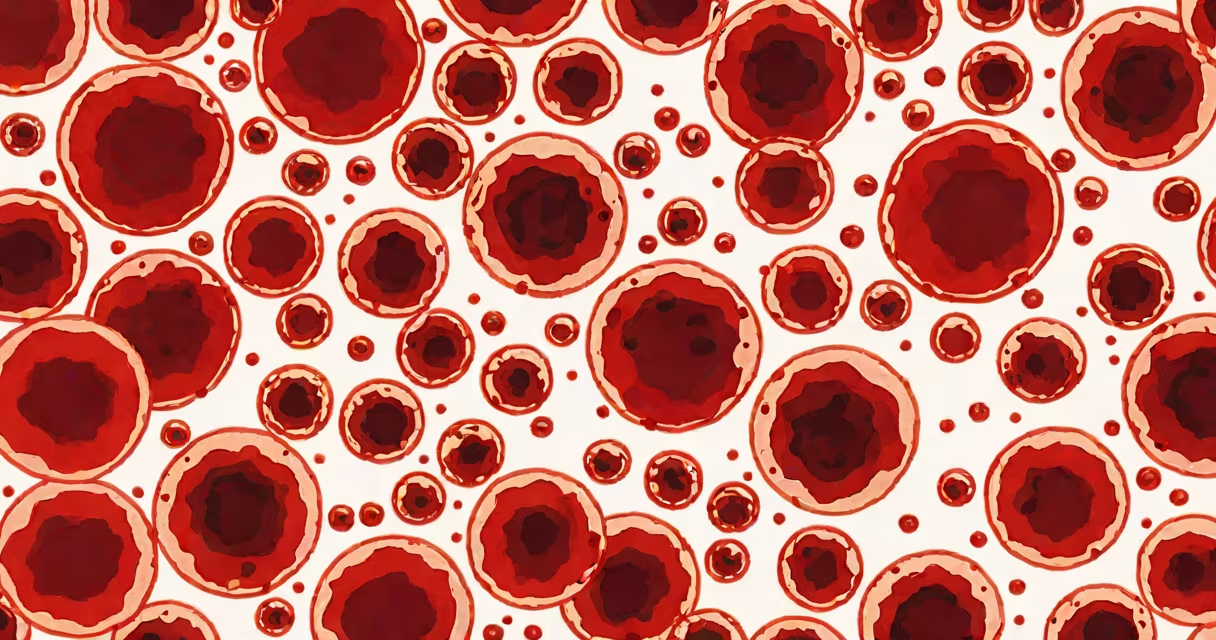
The normal range for red blood cell (RBC) count is 4.7 to 6.1 million cells per microliter of blood in adult males and 4.2 to 5.4 million cells per microliter in adult females. This measurement reflects the number of oxygen-carrying cells circulating in the bloodstream.
RBC count is part of a complete blood count (CBC), a standard lab test used to assess health and detect conditions like anemia or polycythemia. The test measures how many red blood cells are present in a volume of blood, with results reported in millions per microliter (cells/µL).
Values below the normal range suggest fewer red blood cells than typical, which can impair oxygen delivery to tissues. Values above the range may indicate increased production or dehydration. Both extremes require medical evaluation.
Red blood cells are produced in the bone marrow under the influence of erythropoietin, a hormone released by the kidneys when oxygen levels drop. Each RBC contains hemoglobin, a protein that binds oxygen in the lungs and releases it in tissues.
A low RBC count reduces the blood's oxygen-carrying capacity. For example, a person with an RBC count of 3.8 million/µL may experience fatigue, dizziness, or shortness of breath during mild exertion due to insufficient oxygen transport.
Conversely, a high count-such as 7.0 million/µL-can increase blood viscosity, raising the risk of clots. This condition, called polycythemia vera, is a rare blood disorder requiring treatment to prevent stroke or heart attack.
Reference ranges vary by sex and age group. The values below are based on guidelines from the American Association for Clinical Chemistry (AACC) and the National Institutes of Health (NIH).
| Group | Normal RBC Range (million/µL) |
|---|---|
| Adult males | 4.7 - 6.1 |
| Adult females | 4.2 - 5.4 |
| Children (6-12 years) | 4.0 - 5.2 |
| Newborns (first week) | 4.8 - 7.1 |
These ranges reflect average values from large population studies. Individual variation exists, and labs may use slightly different reference intervals based on local populations and testing equipment.
For example, a 25-year-old female with an RBC count of 4.5 million/µL falls within the normal range. However, if her hemoglobin is 10.2 g/dL and hematocrit is 31%, she may still have iron deficiency anemia despite a normal RBC count-highlighting the need to interpret results collectively.
Low RBC counts (anemia) stem from blood loss, impaired production, or increased destruction. Iron deficiency is the most common cause, affecting nearly 20% of women of childbearing age. Other causes include vitamin B12 or folate deficiency, chronic kidney disease, and hemolytic disorders.
High RBC counts occur less frequently. Polycythemia vera, a myeloproliferative neoplasm, leads to uncontrolled RBC production. Chronic hypoxia from lung disease or living at high altitude can also stimulate excess erythropoietin release, increasing RBC formation.
Dehydration can temporarily improve RBC count due to reduced plasma volume. A patient with severe diarrhea may show a falsely high RBC count until hydration is restored. This underscores the importance of interpreting results in context.
RBC count is often mistaken for hemoglobin or hematocrit, though all three are part of the CBC and provide complementary information. Hemoglobin measures the amount of oxygen-carrying protein in each RBC, while hematocrit estimates the percentage of blood volume occupied by red cells.
For example, a person with a normal RBC count of 5.0 million/µL but a hemoglobin of 9.5 g/dL likely has small or pale RBCs-indicative of iron deficiency. Conversely, a high RBC count with normal hemoglobin suggests larger-than-average cells, possibly due to B12 deficiency.
Another misconception is that a single abnormal result confirms a diagnosis. A borderline low RBC count may reflect temporary stress, infection, or laboratory error. Repeat testing and clinical correlation are essential.
Many patients assume a low RBC count means anemia. But anemia is defined by symptoms and low hemoglobin, not RBC count alone. The World Health Organization defines anemia as hemoglobin <13 g/dL in men and <12 g/dL in women.
In one study published in the Journal of Clinical Pathology, 15% of individuals with low RBC counts had normal hemoglobin and no clinical signs of anemia. These cases were attributed to genetic variation, such as hereditary spherocytosis, where RBCs are fragile but numbers remain stable.
This distinction matters: treating a normal person for anemia based solely on RBC count risks unnecessary interventions. Always evaluate RBC count alongside hemoglobin, MCV (mean corpuscular volume), and clinical presentation.
A 42-year-old woman presents with fatigue. Her CBC shows:
Her RBC count is below the normal range for women. The low MCV indicates microcytic anemia-small RBCs. This pattern strongly suggests iron deficiency. Further testing reveals low serum ferritin, confirming iron deficiency.
Treatment with oral iron supplements improves her RBC count to 4.8 million/µL and hemoglobin to 13.2 g/dL within four months. This case illustrates how RBC count is one piece of a larger diagnostic puzzle.
Abnormal RBC counts discovered incidentally during routine screening may not require immediate action. But persistent low or high values warrant follow-up. Symptoms like fatigue, pallor, or shortness of breath should prompt evaluation.
If you're concerned about your RBC count, consult a healthcare provider. They'll consider your full history, physical exam, and additional tests such as reticulocyte count, iron studies, or vitamin B12 and folate levels.